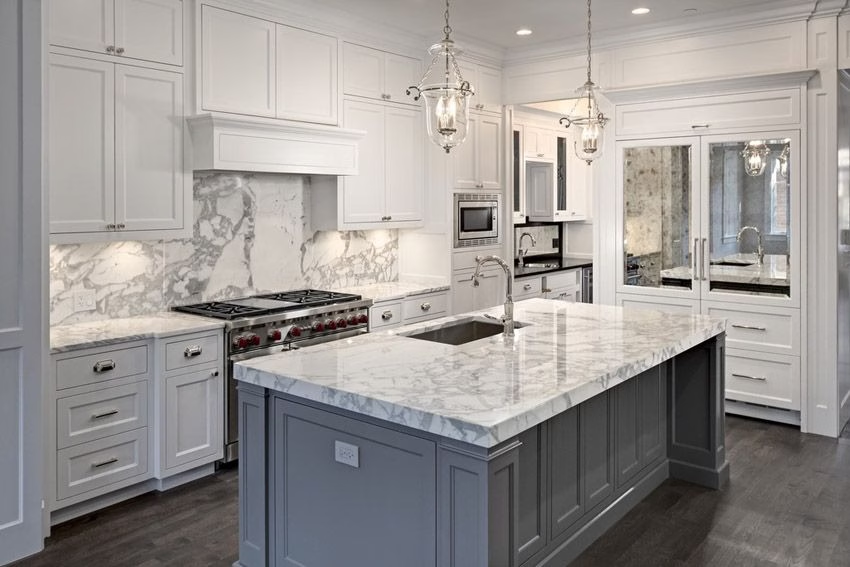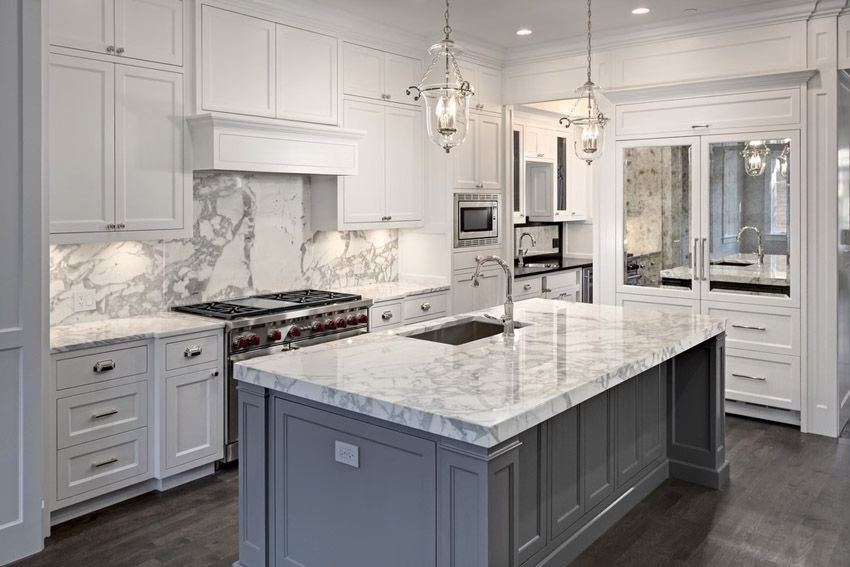
Marble countertops are timeless, elegant, and highly desirable in both residential and commercial spaces. From kitchen islands and bathroom vanities to dining tables and feature walls, natural stone surfaces bring a level of sophistication that few materials can match.
However, homeowners quickly realize that while marble is beautiful, it can also be sensitive to daily use. Etching, staining, and surface wear are some of the most common concerns for anyone with marble, limestone, or travertine.
If you’ve searched for:
• how to protect marble countertops
• how to prevent marble etching
• marble stain protection
• fix etched marble countertops
• natural stone countertop protection
you’re not alone.
Marble Armor is designed specifically to solve these problems — providing long-term protection while preserving the natural look of your stone.
What Marble Armor Is and How It Works
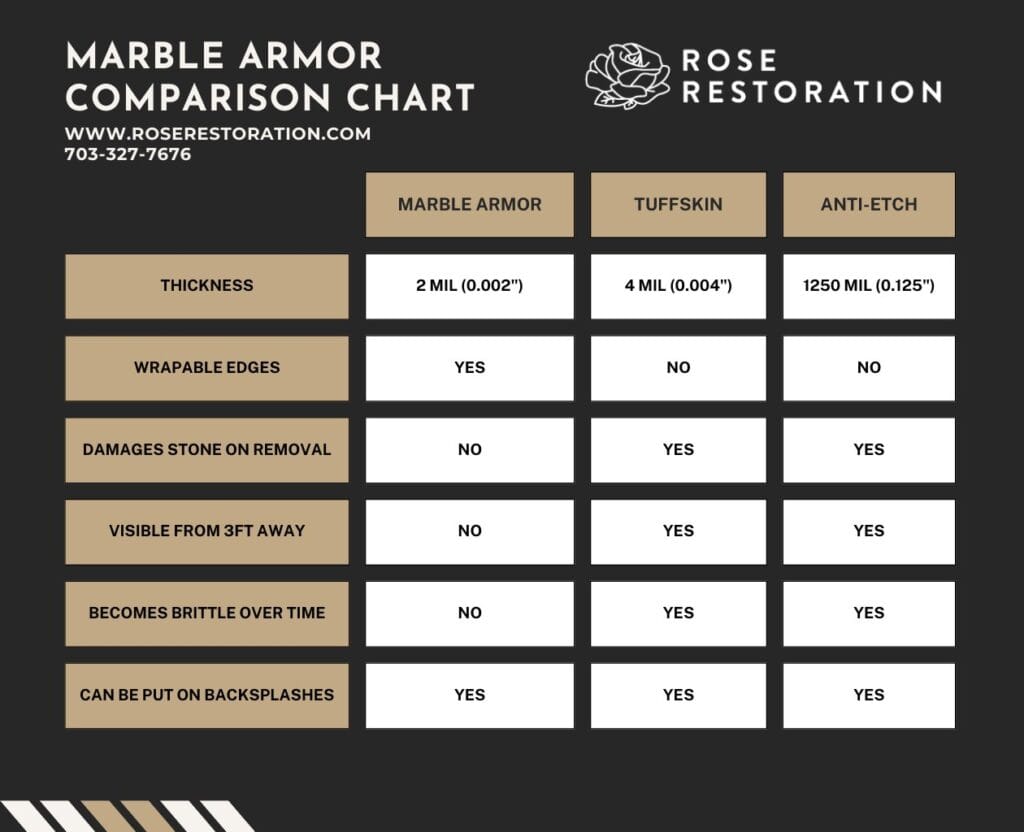
Marble Armor is a specialized protective coating applied to natural stone surfaces. Unlike traditional stone sealers, which penetrate below the surface, Marble Armor creates a thin, invisible barrier on top of the stone.
This protective layer is designed to:
• prevent etching from acids
• block stains from oils, wine, and food
• resist surface scratching
• simplify daily cleaning and maintenance
Traditional sealers help slow down staining, but they do not prevent etching. Marble Armor addresses both issues by protecting the surface itself.
The result is a natural stone surface that performs more like engineered materials, without losing the character and beauty of real stone.
Why Marble Countertops Get Damaged So Easily
Marble is a calcium-based natural stone, which means it reacts chemically with acidic substances.
Common household items that cause damage include:
• lemon juice
• vinegar
• wine
• coffee
• tomato sauce
• cleaning products
When these substances come into contact with marble, they create etching — dull spots that appear as cloudy marks on the surface.
In addition to etching, marble is also porous. Without proper protection, it can absorb:
• oils
• grease
• cosmetics
• water minerals
This leads to staining, discoloration, and long-term surface damage.
These issues are especially common on:
• kitchen countertops
• bathroom vanities
• marble tables
• bar tops
• shower walls
Which Natural Stone Surfaces Benefit Most from Marble Armor
Marble Armor is primarily recommended for calcium-based stones, which are more vulnerable to etching and staining.
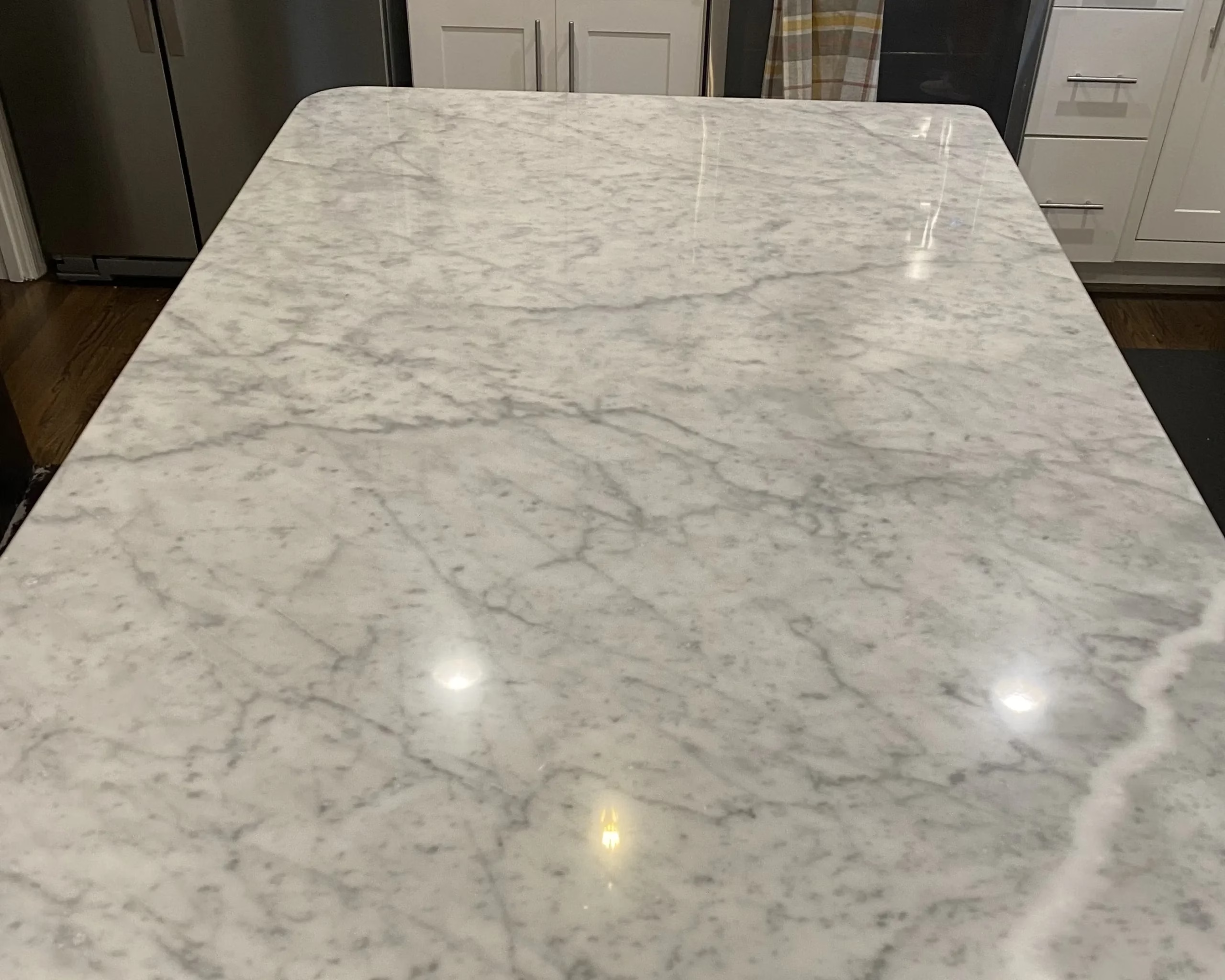
These include:
• marble countertops and marble tables
• limestone surfaces
• travertine countertops and vanities
These stones are often used in high-visibility areas, making protection even more important.
While harder stones like granite and quartz are more resistant, certain materials — especially some quartzite — can still absorb oils and develop stains.
In these cases, Marble Armor can also provide added protection and peace of mind.
Marble Armor for Quartzite and Other Natural Stone Surfaces
Quartzite is often marketed as a durable, low-maintenance natural stone. While some quartzite performs extremely well, others are more porous than expected.
Certain quartzite surfaces can:
• absorb oil and grease
• develop dark spots over time
• stain more easily than homeowners expect
In these situations, Marble Armor can help prevent staining and improve long-term performance.
This makes it a valuable option not just for marble, but for a wider range of natural stone countertops and surfaces.
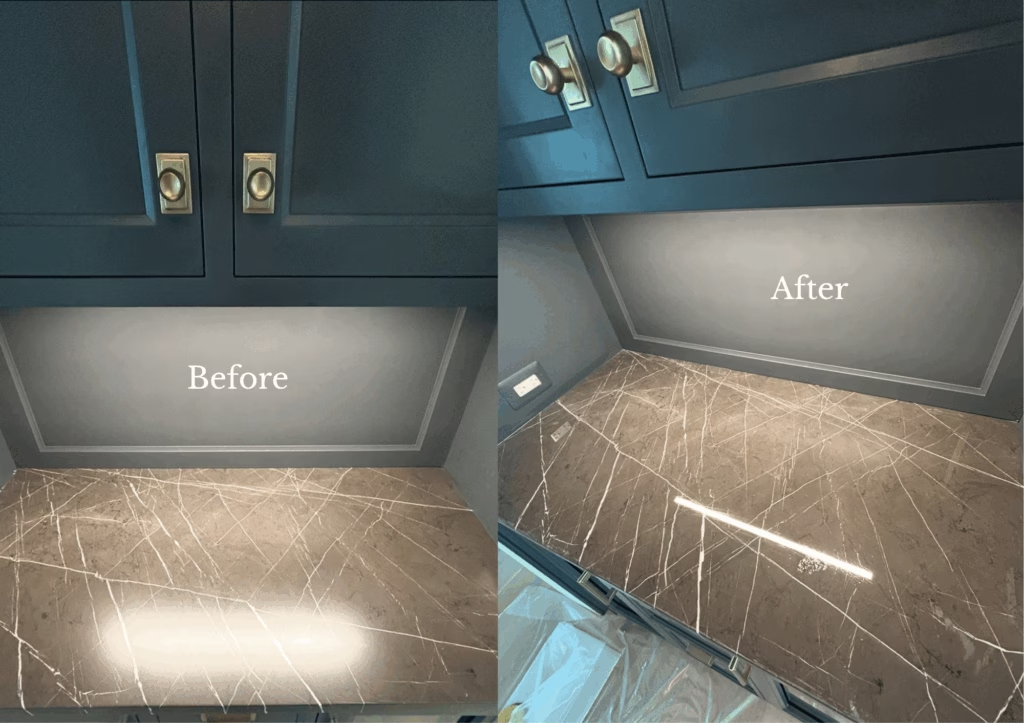
Real-world example: A recent client in Washington DC had quartzite countertops that began showing oil stains just weeks after installation — despite the material being marketed as low-maintenance. After applying Marble Armor, the staining stopped completely, and the surface maintained a consistent, like-new appearance. Today, approximately 80 percent of our Marble Armor clients choose it to prevent etching on marble and limestone, while the remaining 20 percent use it primarily for stain and moisture protection on quartzite and other natural stones.
Real-World Applications of Marble Armor
Marble Armor is commonly applied to surfaces that experience frequent use or exposure to potential damage.
These include:
• kitchen countertops and islands
• bathroom vanities and sinks
• dining tables and coffee tables
• bar tops and entertaining surfaces
• backsplashes and vertical surfaces
• commercial hospitality countertops
In residential homes, Marble Armor is especially popular in kitchens where spills, cooking oils, and acidic foods are part of daily life.
In commercial settings such as restaurants, hotels, and bars, it helps maintain appearance while reducing maintenance costs.
The Marble Armor Application Process
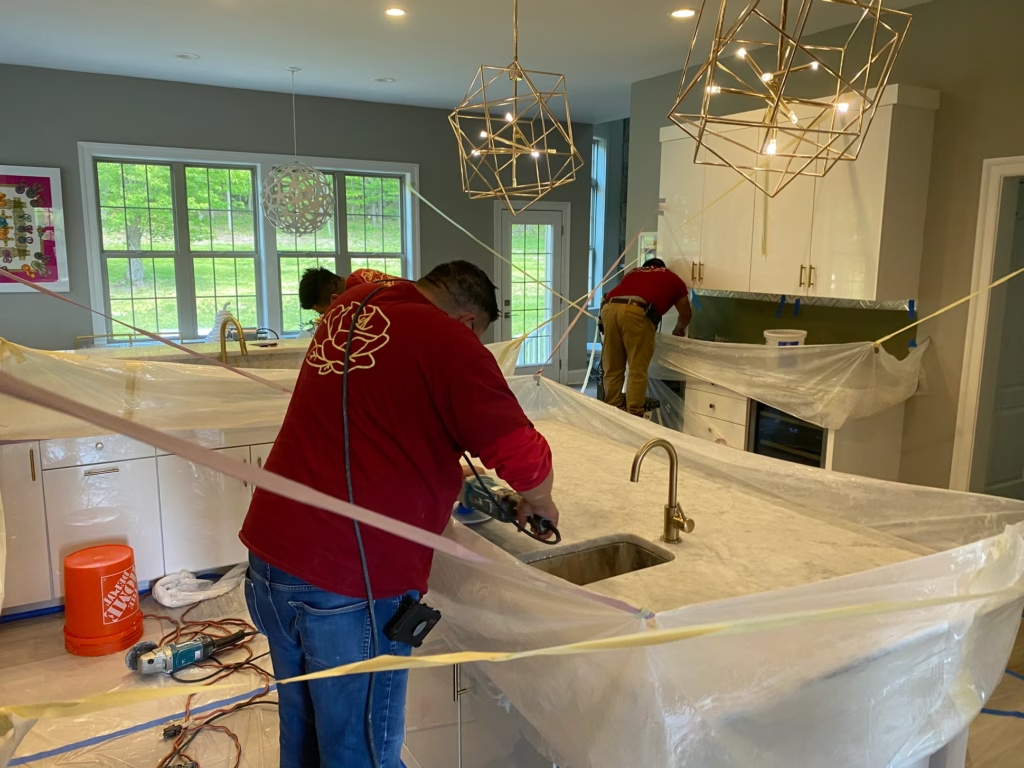
Applying Marble Armor is a precise process that ensures proper adhesion and a consistent finish.
The process typically includes:
• cleaning and preparing the surface
• addressing any etching, stains, or imperfections
• applying the protective coating in controlled layers
• curing the coating to create a durable finish
Proper surface preparation is critical. If the stone has existing damage, it is usually restored before Marble Armor is applied.
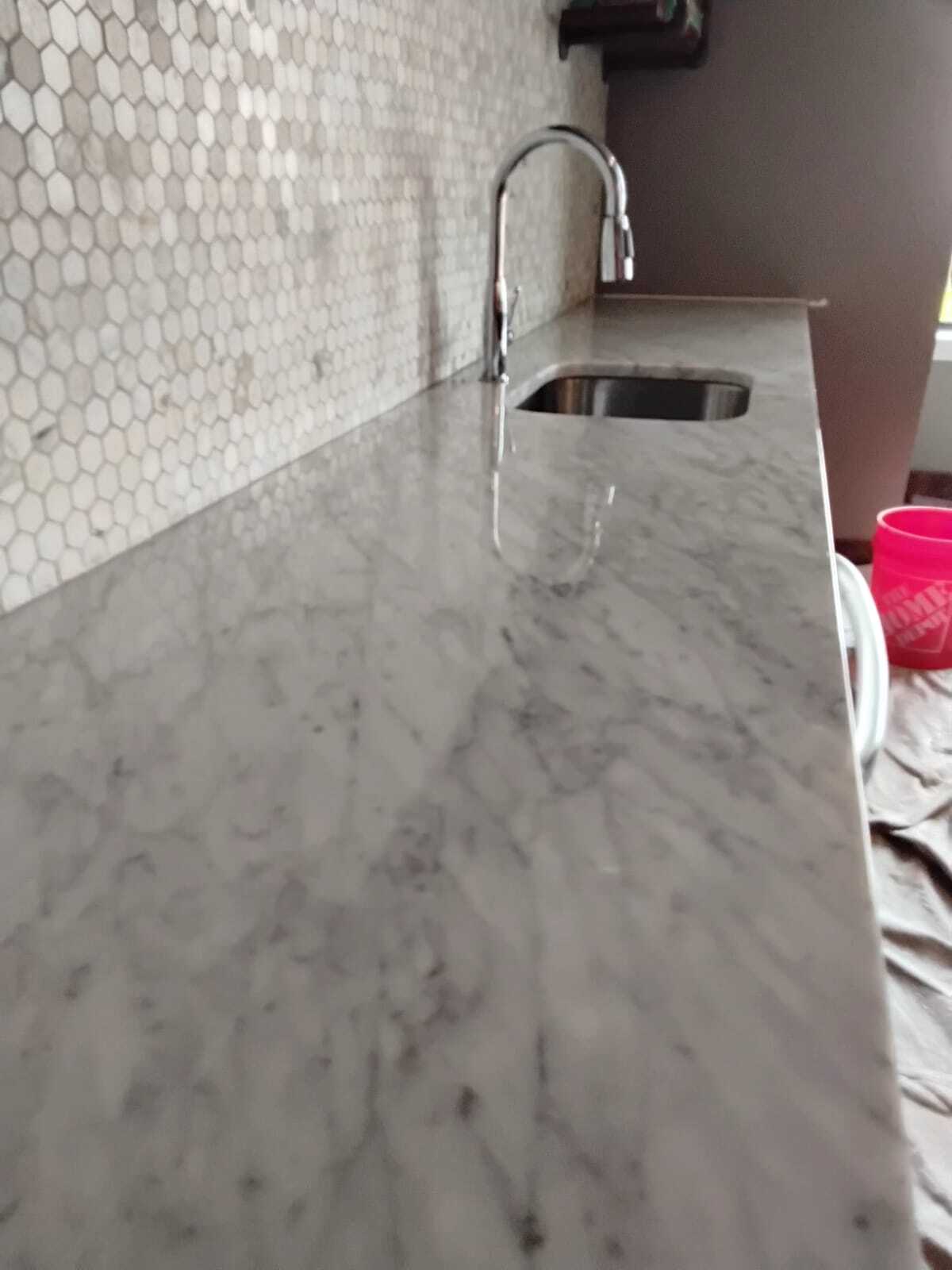
This ensures that the final result looks uniform and performs as intended.
Key Benefits of Marble Armor
Marble Armor offers a combination of protection and convenience that traditional sealers cannot match.
Some of the main benefits include:
• protection against etching from acids
• resistance to staining from oils and liquids
• improved scratch resistance
• easier daily cleaning
• reduced need for frequent restoration
In addition, Marble Armor can be customized to achieve different finishes depending on the desired look.
Homeowners can choose between:
• a natural matte appearance
• a subtle satin finish
• a higher gloss look
This flexibility allows the surface to match the overall design of the space.
Why Homeowners Are Choosing Marble Armor Before Damage Occurs
Many homeowners discover Marble Armor after experiencing issues with their stone surfaces. However, an increasing number are choosing to apply it proactively.
Applying Marble Armor early can:
• prevent future etching and staining
• reduce long-term maintenance costs
• preserve the original finish of the stone
• eliminate the need for frequent polishing
This is especially valuable in newly renovated kitchens or newly installed marble countertops.
Rather than waiting for damage to occur, homeowners can protect their investment from day one.
Marble Armor vs Traditional Stone Sealing
Understanding the difference between Marble Armor and traditional sealing is important.
Traditional sealers:
• penetrate into the stone
• help reduce staining
• do not prevent etching
• wear down over time
Marble Armor:
• sits on top of the surface
• protects against both staining and etching
• creates a durable protective layer
• provides longer-lasting performance
For homeowners dealing with repeated etching or staining, Marble Armor offers a more comprehensive solution.
What to Expect After Marble Armor Is Applied
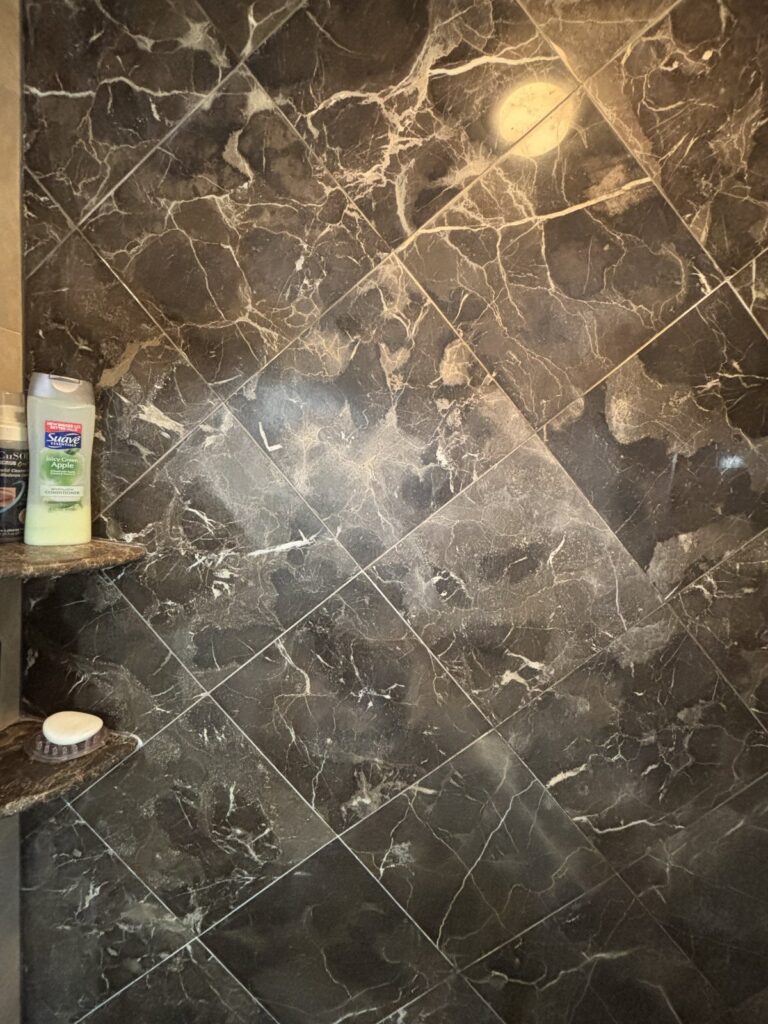
Once Marble Armor is installed, homeowners can expect a noticeable improvement in both performance and maintenance.
Daily care becomes much simpler:
• spills can be wiped away easily
• surfaces are less sensitive to acids
• cleaning requires less effort
The surface maintains its natural appearance while gaining added durability.
There is no cloudy film or artificial look — the stone retains its original character.
Is Marble Armor Right for Your Home
Marble Armor is ideal for homeowners who:
• have marble countertops or tables
• are dealing with etching or staining
• want long-term surface protection
• prefer low-maintenance natural stone
• are preparing a home for resale
It is especially beneficial in kitchens, bathrooms, and high-use areas where surfaces are exposed to daily wear.
For homeowners investing in natural stone, Marble Armor helps protect that investment while preserving the beauty that makes these materials so desirable.
FAQ: Marble Armor and Natural Stone Protection
Can Marble Armor prevent etching completely?
Yes, Marble Armor is designed to protect against etching caused by acidic substances, which traditional sealers cannot do.
Does Marble Armor change the look of the stone?
No, it maintains a natural appearance. Finish levels can be adjusted to match the desired look.
Can it be applied to existing countertops?
Yes. Existing surfaces are typically restored first, then Marble Armor is applied.
How long does Marble Armor last?
With proper care, Marble Armor provides long-term protection and significantly reduces the need for frequent restoration.
Is Marble Armor only for marble?
No. Marble Armor can also be applied to limestone, travertine, and certain quartzite countertops, vanities, tabletops, and bar tops that are prone to staining or etching. It is designed for countertop and vertical surface applications — not for floors.