Frequently Asked Questions
Can you repair a chip on my quartzite countertop?
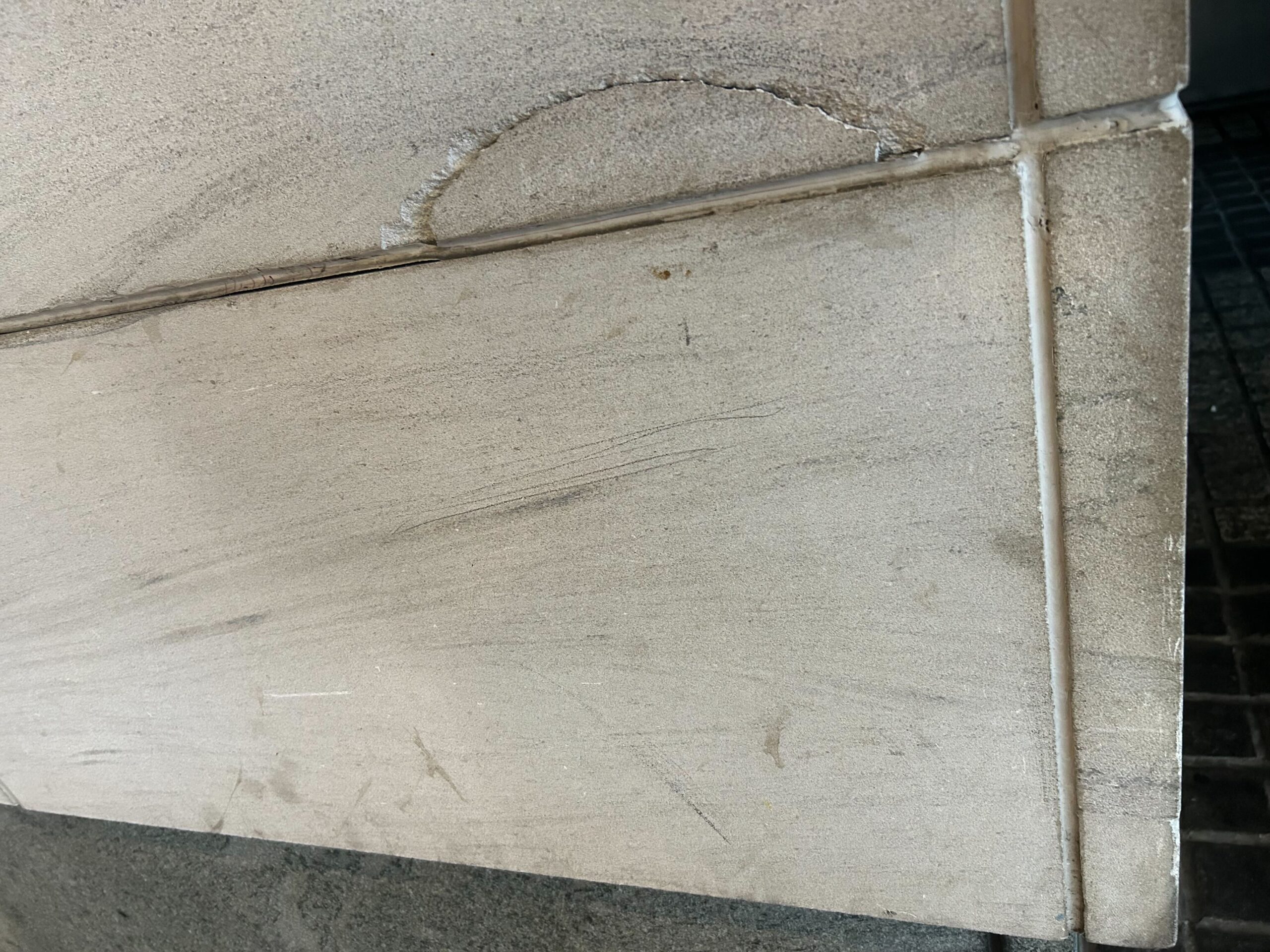
Yes. We repair chips on quartzite and other hard stone countertops using color-matched epoxy fills shaped to the original edge profile and finished to blend with the surrounding surface. The repair is durable and functional. On heavily veined quartzite, the fill can often be blended quite effectively into the existing pattern.
Is it possible to cut my existing countertop for a new cooktop or sink?
In most cases, yes. We regularly cut stone countertops for new stoves, cooktops, and sinks as part of kitchen renovations. The cut must be planned carefully based on the stone type, the countertop’s existing cutouts and seams, and the new appliance dimensions. We will assess your countertop and advise whether the modification is feasible before proceeding.
Can you drill a hole in my stone countertop for a new faucet or soap dispenser?
Yes. Stone hole drilling for faucets, soap dispensers, instant hot water dispensers, and similar fixtures is a common service we provide. We use water-cooled diamond core bits to produce clean, chip-free holes sized to your specific fixture.
How visible will a crack repair be?
It depends on the stone type, the crack’s size and location, and the surrounding color and veining. On busy, multi-colored stones, crack repairs can be very inconspicuous. On solid-colored or subtly veined materials, the repair may be more noticeable. We will give you a realistic preview of what to expect during our assessment.
What is the difference between honing and polishing?
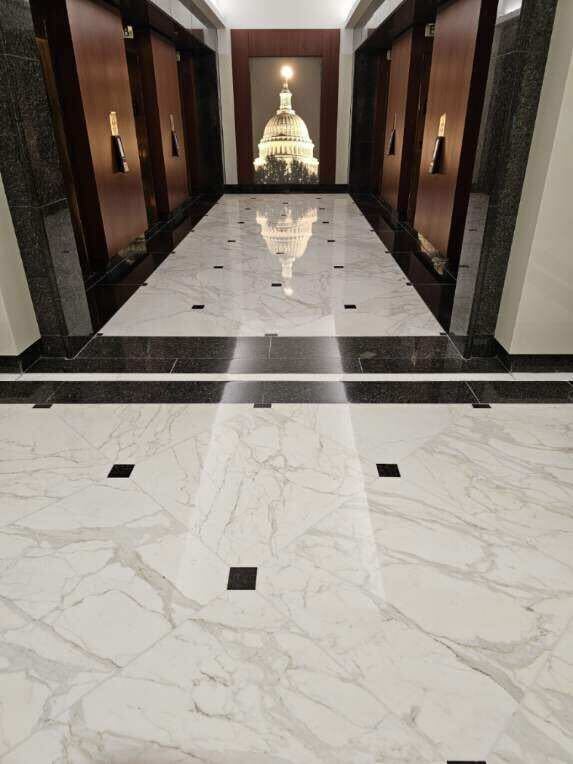
Honing produces a smooth, matte or satin finish. Polishing produces a glossy, reflective finish. Both processes use progressively finer diamond abrasives — polishing simply continues the sequence to a higher grit level. The best finish for your stone depends on the material type, the room’s use, and your aesthetic preference.
Do you work with engineered quartz countertops?
Yes, though the approach differs from natural stone. Engineered quartz (such as Caesarstone, Silestone, or Cambria) contains resins that respond differently to cutting, filling, and finishing. We repair chips and cracks, drill holes, and make cutout modifications on engineered stone using techniques specific to these materials.
How often should stone countertops be sealed?
Sealing frequency depends on the stone type, the finish, and the level of use. Porous stones like limestone and travertine may benefit from sealing every one to two years. Dense stones like quartzite and most granites may need sealing less frequently. We can assess your countertop’s current sealer performance with a simple water absorption test during our visit.
Can you fix a separated seam on my countertop?
Yes. Seam repair involves removing the old fill material, cleaning both edges of the joint, and re-filling with color-matched epoxy. We then level and finish the seam to integrate with the surrounding surface. This is one of the most effective improvements you can make on an aging countertop installation.
Will cutting or drilling crack my countertop?
Not if it is done correctly. Stone cutting and drilling do carry inherent risk — stone is a natural material under internal stress — but our technicians use proper tooling, water cooling, controlled feed rates, and material-appropriate techniques to minimize that risk. We also assess the countertop for existing weaknesses, nearby seams, or insufficient support before performing any modification.
Do you provide free estimates for stone repair work?
We provide consultations and assessments to evaluate your stone’s condition, identify the material, and recommend the appropriate scope of work. Please contact us or call 703-327-7676 to schedule a visit and discuss your project. We will provide a clear, written scope and cost before any work begins.