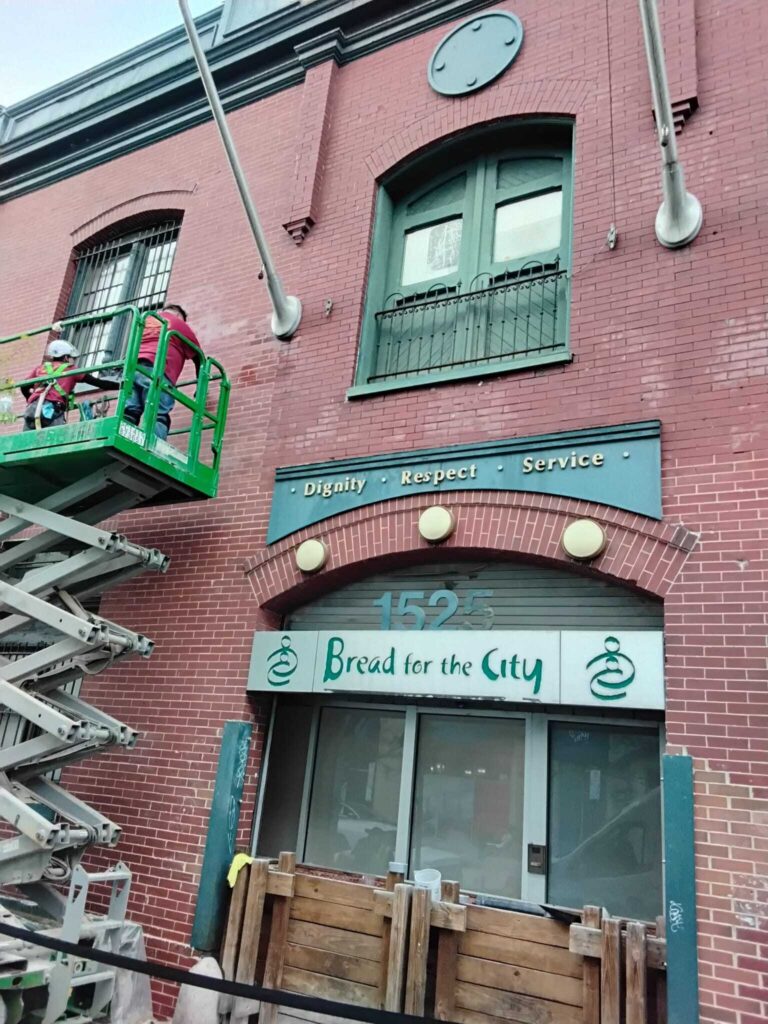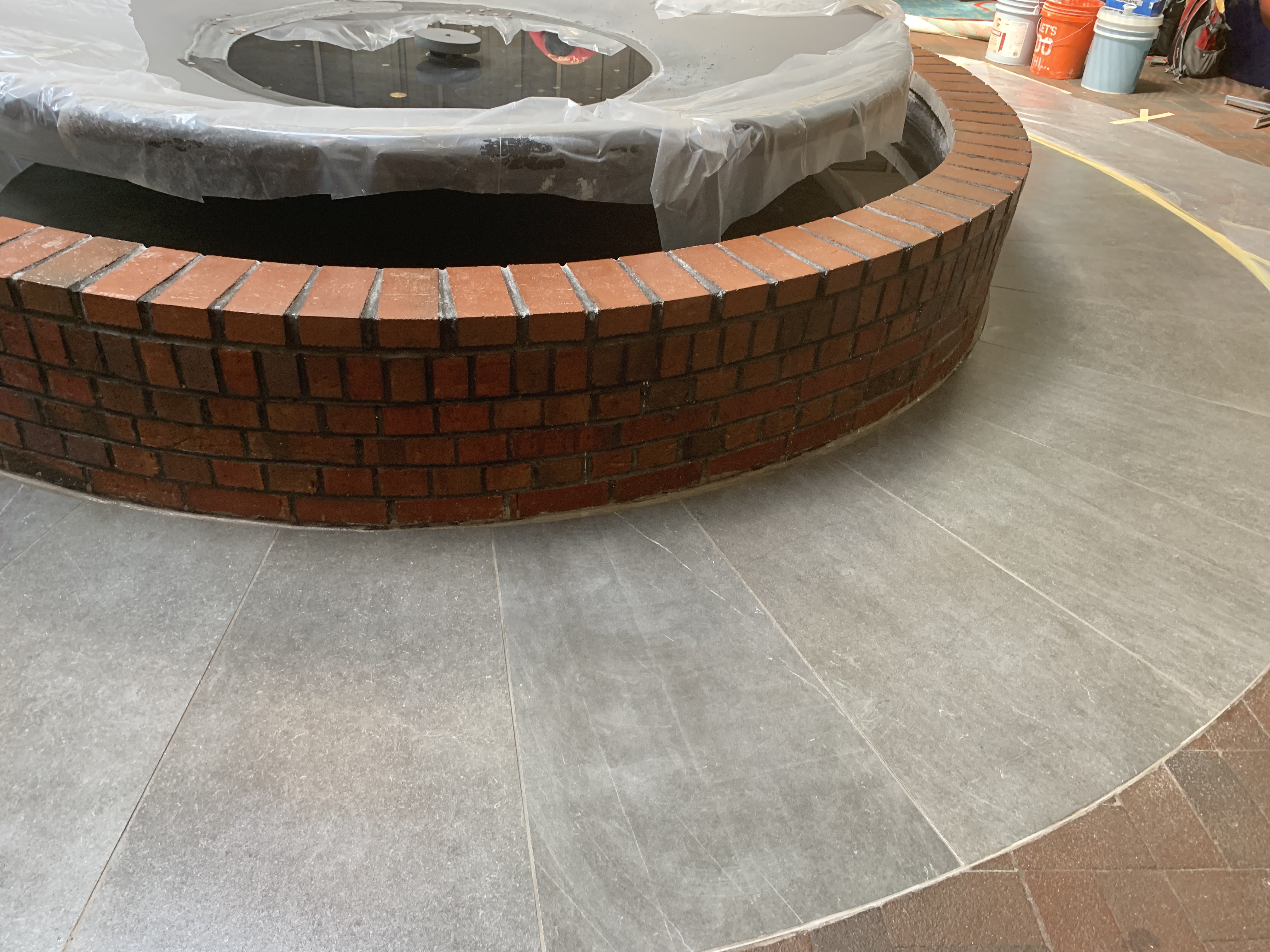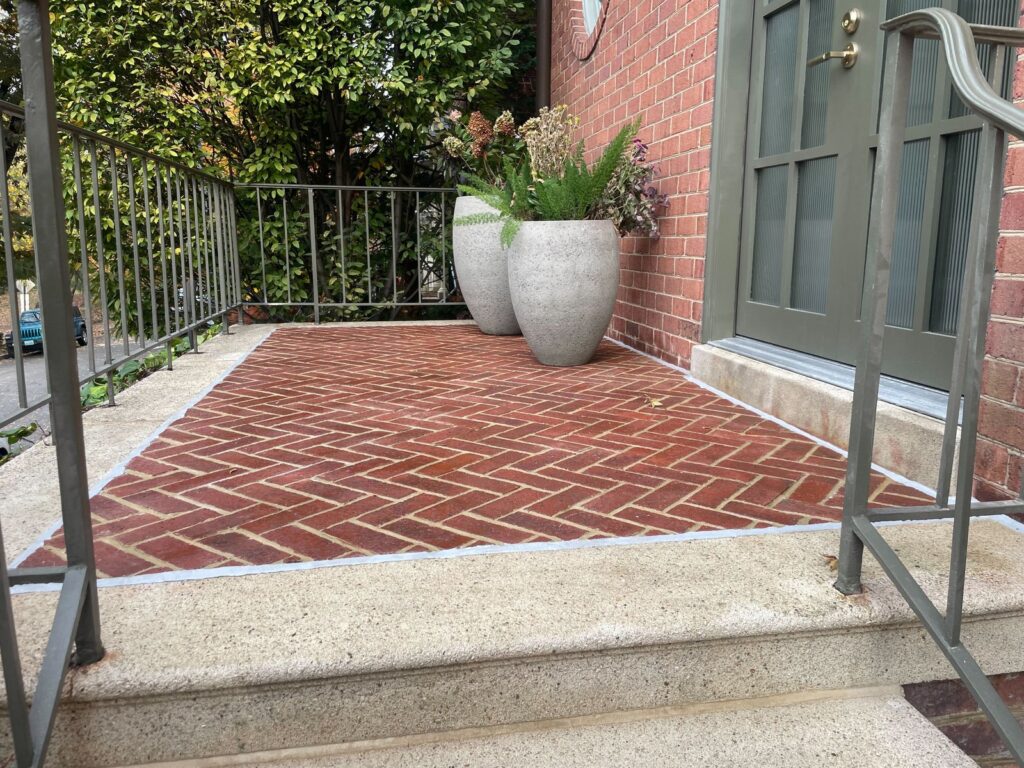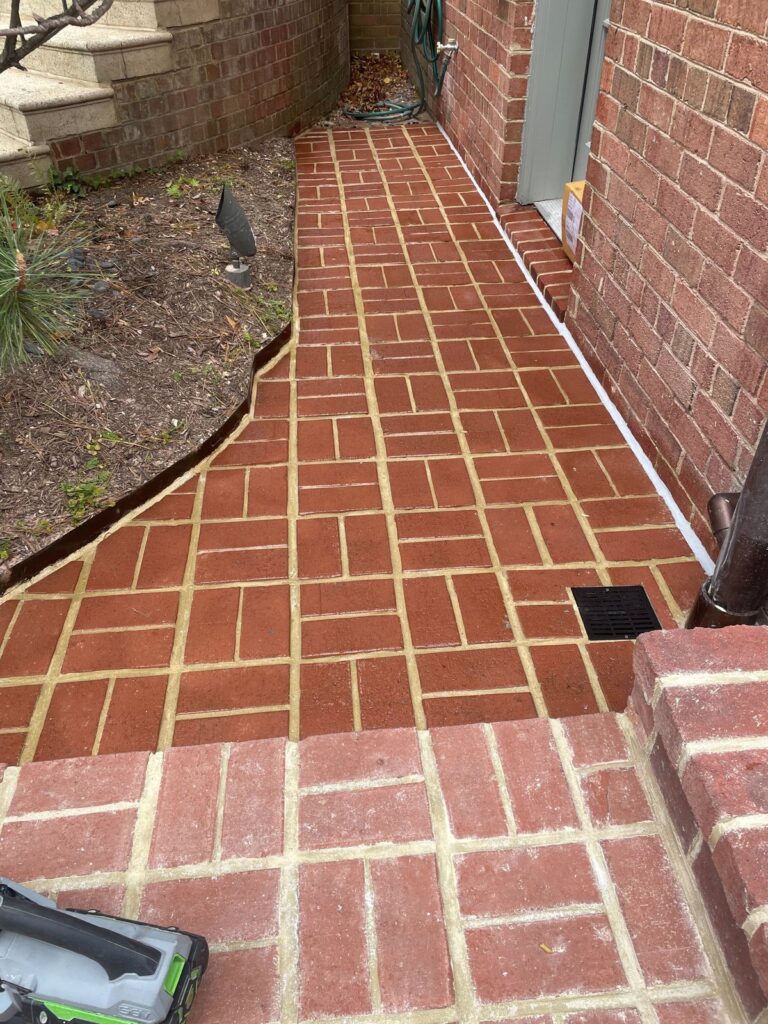
Rose Restoration is a Washington DC graffiti removal contractor providing substrate-safe removal of aerosol, oil-based paint, marker, and etched graffiti from brick, natural stone, concrete, historic masonry, metal, and architectural facades across DC, Maryland, and Northern Virginia. Fast response, substrate-matched chemistry, test patches on landmark surfaces, and sacrificial-coating programs for repeat-target facades.
Rose Restoration has delivered graffiti removal and related services for:
Rose Restoration removes graffiti from brick, natural stone, concrete, historic masonry, metal, and architectural facades across Washington DC, Maryland, and Northern Virginia. Services include substrate-safe removal of aerosol paint, oil-based paint, marker, and etched graffiti, plus sacrificial-coating programs for repeat-target facades. substrate and surface experience since 1978. Request a response estimate.
Graffiti removal in the DC metro is typically priced per incident based on: type of graffiti (aerosol, oil-based, marker, etched), substrate (brick, stone, concrete, metal), surface area, accessibility (lifts or scaffolding), and whether the substrate needs restoration after removal. Simple aerosol-paint removal on concrete or non-porous metal starts around $200-$500. Complex removal from historic masonry can run $1,000-$5,000+ depending on area and method.
Yes — with careful substrate-matched chemistry and soft-washing methods. Standard graffiti removers can strip the face of historic brick or mortar; Rose uses test patches to verify that chemistry and pressure are appropriate before full-scale work. Some etched or deeply-absorbed graffiti may require poultice application, laser cleaning, or sacrificial-chip removal, particularly on historic porous stone.
Rose Restoration typically responds to graffiti incidents within one business day for DC-area property managers, building owners, and facility managers. Emergency response is available for high-visibility or hate-symbol graffiti. Fast removal reduces follow-on vandalism and limits permanent staining on porous substrates.
Yes. Sacrificial and permanent anti-graffiti coatings are available for facades that are repeat targets — transit stations, utility buildings, walls visible from public streets. Sacrificial coatings wash off with the graffiti during removal and are re-applied; permanent coatings allow repeated graffiti removal without damaging the substrate. Rose specifies coating type based on substrate, aesthetics, and historic-status requirements.