
Residential Metal Restoration in Washington DC, Maryland & Virginia
Metal features bring sophistication and refinement to your home—whether it’s a gleaming stair railing, custom hardware, decorative fixtures, or entryway accents. Over time, exposure to moisture, fingerprints, and oxidation can dull their shine or cause tarnishing, scratches, and corrosion.
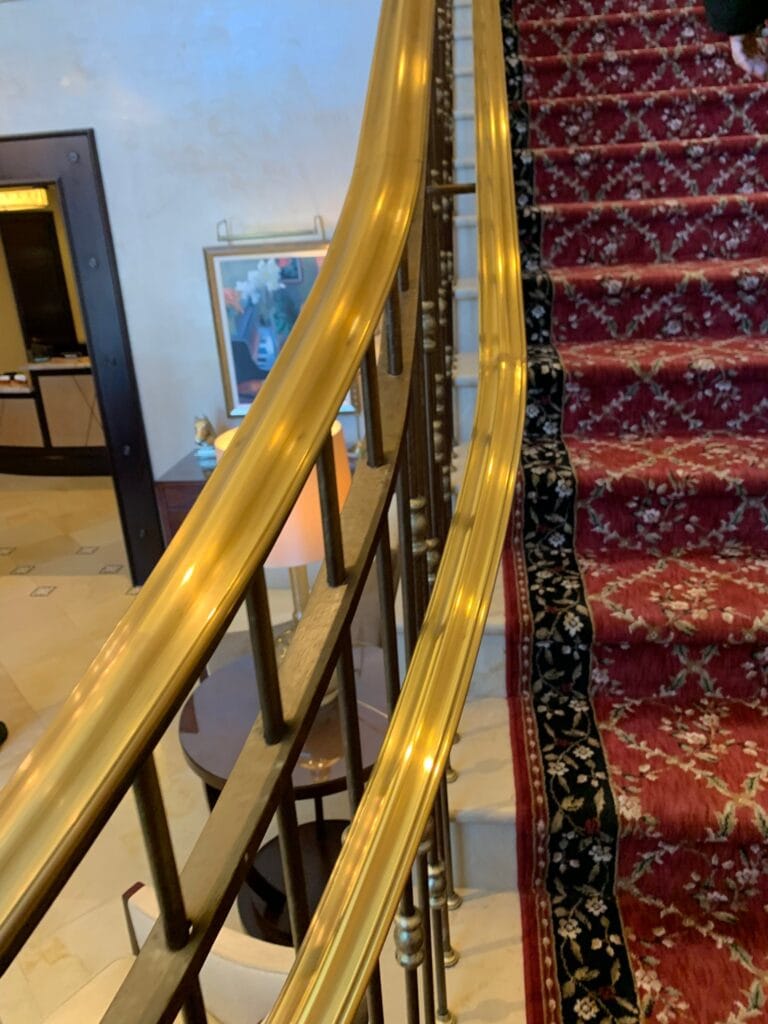
At Rose Restoration, we specialize in residential metal restoration and maintenance, bringing back the luster and luxury of your interior and exterior metal surfaces.
Our certified technicians use precision polishing techniques, safe cleaning solutions, and protective coatings to restore the beauty and longevity of metals like brass, bronze, stainless steel, copper, and aluminum. From restoring antique pieces to refinishing modern fixtures, we ensure your home’s metal elements remain brilliant, elegant, and resilient.
Residential Metal Restoration Services
Metal elements define the character of a fine home. From the patina of aged bronze door hardware to the gleam of polished stainless steel railings, architectural metals contribute warmth, texture, and craftsmanship to residential spaces. When those metals become tarnished, scratched, corroded, or neglected, the effect on a home’s appearance is immediate and significant.
Rose Restoration provides comprehensive metal restoration services for homeowners throughout Virginia, Maryland, and Washington, D.C. With experience since 1978 working with architectural metals in both residential and commercial settings, our technicians have the knowledge and skill to restore virtually any metal surface or fixture in your home to its intended condition.
Metal Types We Restore
Different metals require different restoration approaches. The composition, hardness, finish, and coating of each metal dictate the techniques, compounds, and protective treatments used. Our team is experienced with all of the architectural metals commonly found in residential applications.
Brass
Brass is one of the most common architectural metals in residential settings. Door hardware, cabinet pulls, light fixtures, fireplace accessories, stair railings, and decorative objects are frequently made from solid brass or brass-plated steel. Brass tarnishes over time through oxidation, developing a dull, darkened surface that obscures the metal’s natural warmth. Restoration involves removing the tarnish through mechanical polishing and chemical treatment, then applying a protective finish to slow future tarnishing.
Bronze
Bronze is prized for its durability and its ability to develop a rich patina over time. Door hardware, sculptures, fountain components, plaques, and decorative accents in fine homes are often cast or fabricated from bronze. Some homeowners want the natural patina preserved and enhanced. Others prefer a freshly polished appearance. Our restoration approach is guided by the homeowner’s preference and the original design intent.
Stainless Steel
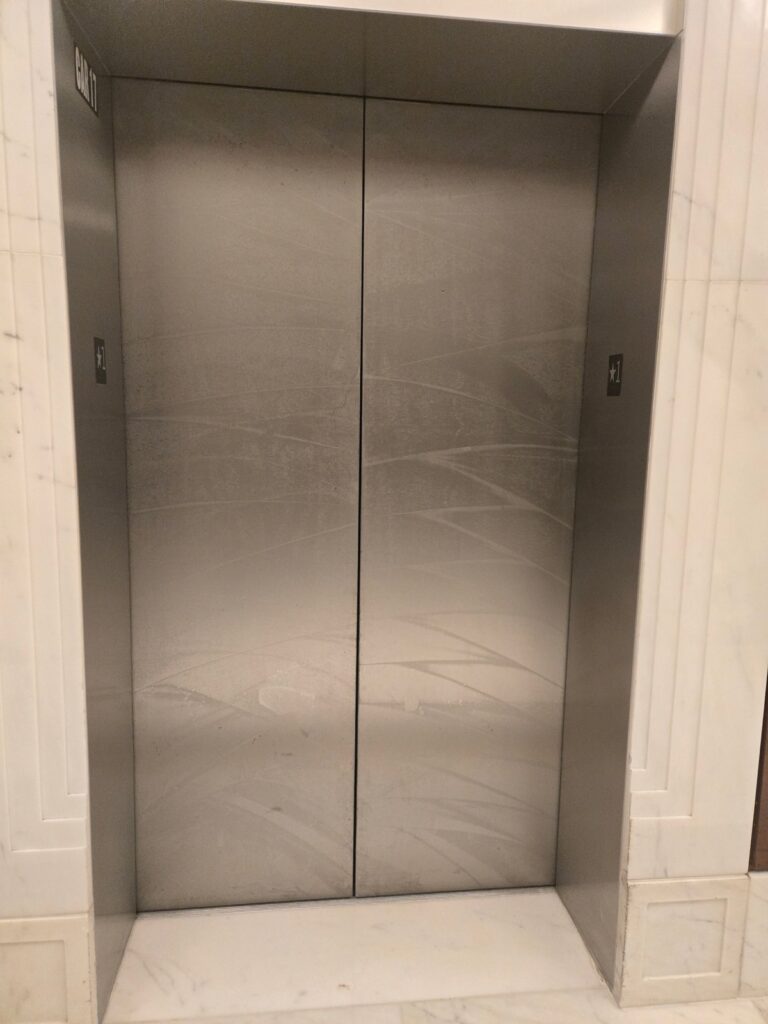
Stainless steel is widely used in modern and contemporary homes for railings, kitchen fixtures, appliances, countertops, and architectural trim. While stainless steel resists corrosion, it is not immune to damage. Scratches, water spots, fingerprint etching, heat discoloration, and surface rust (particularly in coastal or high-humidity environments) are common issues. Restoring stainless steel requires abrasive techniques matched to the specific grain pattern and finish of the original material.
Aluminum
Aluminum appears in window frames, door thresholds, light fixtures, outdoor furniture, and railing systems. Anodized aluminum can develop a chalky, oxidized appearance over time, particularly in exterior applications. Clear-coated aluminum may show peeling or discoloration. Our restoration process addresses the specific finish type and returns the aluminum to a clean, uniform appearance.
Coated Steel Rails and Frames
Painted and powder coated steel appears as railings, frames, posts, gates and mechanical screening, and what fails is almost always the coating rather than the steel. We take back the failed paint or powder coat, address corrosion at the break points, and apply a new system matched to the exposure the element lives in. Where corrosion has gone through the section, that is a fabrication repair before it is a finishing job. Traditional decorative and ornamental ironwork is a specialist trade we do not take on.
Copper
Copper is found in range hoods, sinks, countertops, decorative hoods, light fixtures, and exterior elements like gutters and cupolas. Like bronze, copper develops a patina that some homeowners value and others prefer to remove. Copper restoration can target any point along the patina spectrum — from a bright, newly polished finish to a carefully controlled and stabilized aged patina.
Nickel and Chrome
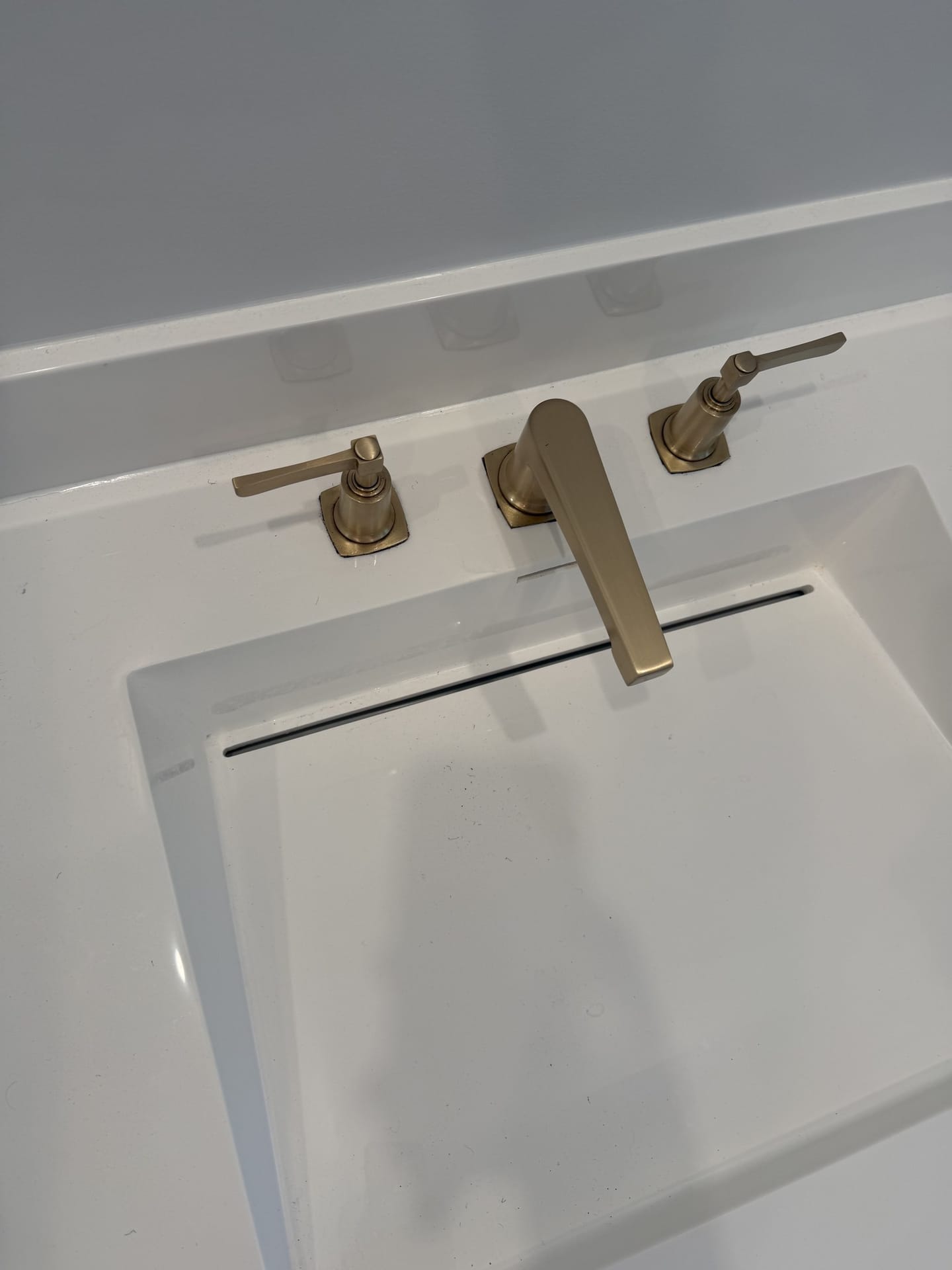
Nickel-plated and chrome-plated fixtures and hardware are common in bathrooms and kitchens. These plated finishes can develop water spots, mineral deposits, pitting, and peeling. Restoration ranges from gentle cleaning and polishing for surface-level issues to replating referrals for severely damaged finishes.
Silver and Silver Plate
Tarnished and worn silver is restored, and solid silver and plate are scoped separately because they are different problems. Solid silver comes back: the tarnish is a surface reaction and the metal underneath is intact. Plate has a finite thickness, so the first question is how much plating is left, and that is assessed piece by piece before any work is quoted. Trays, tea services, candlesticks, flatware chests and decorative pieces are all in scope. Where the plating has worn through in the places that get handled most, we will say so rather than polishing away what is left of it.
Residential Metal Applications
Metal restoration in a residential setting covers a wide range of specific applications throughout the home.
Railings and Balustrades
Stair railings, balcony railings, and balustrade systems made from metal are high-touch surfaces that show wear quickly. Handrails develop wear patterns from daily use, balusters collect dust and tarnish, and mounting hardware loosens and corrodes. We restore these elements in place, minimizing disruption to the home.
Door Hardware
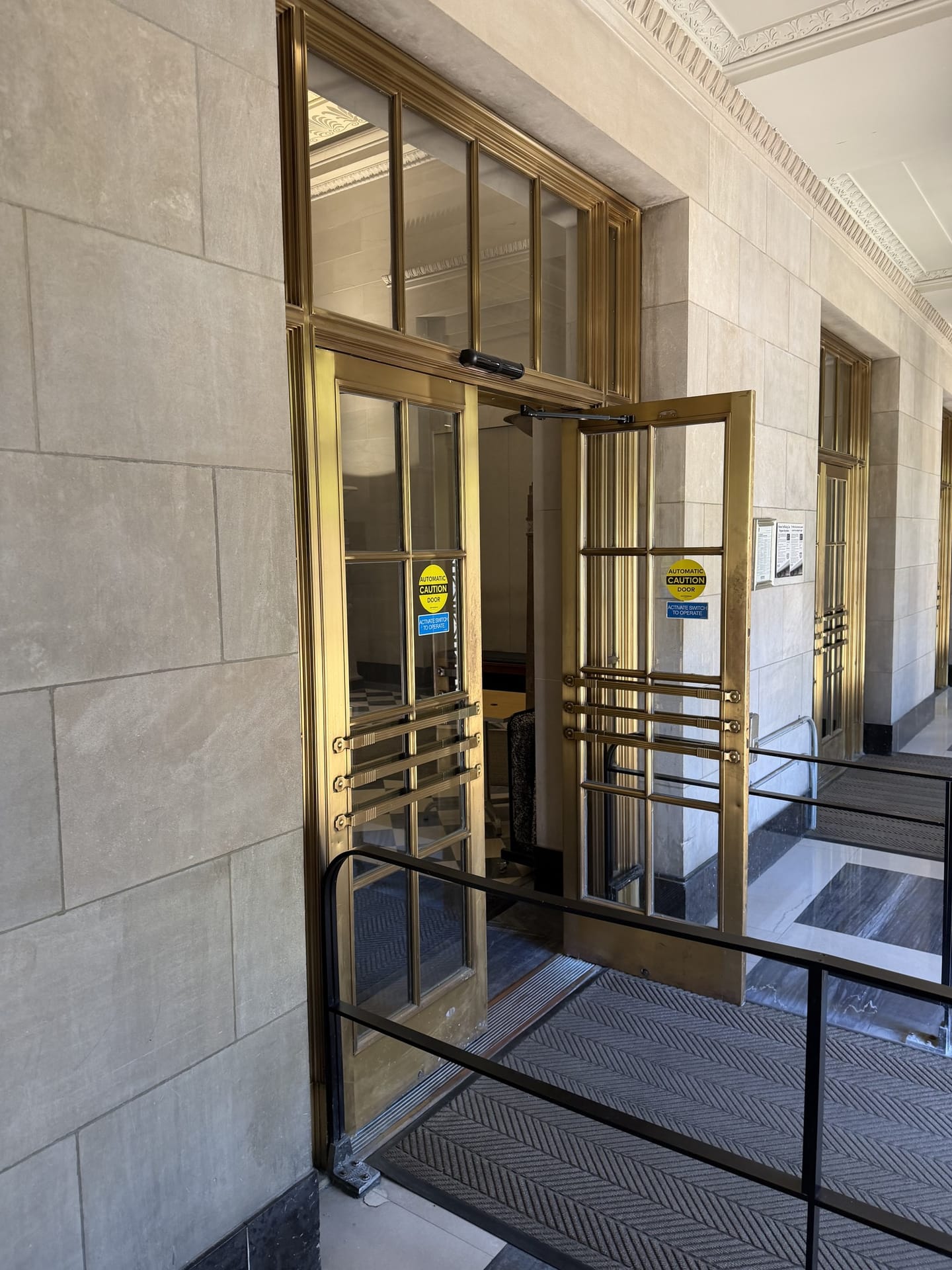
Entry door handle sets, hinges, kick plates, door knockers, mail slots, and locksets accumulate wear from constant use and exposure to hand oils and the elements. Brass and bronze hardware tarnishes, chrome and nickel plate wears through, and coated steel corrodes where the coating is broken. Restoration restores the hardware’s original finish and function.
Light Fixtures and Chandeliers
Metal light fixtures, sconces, and chandeliers tarnish, corrode, and collect grime in areas that are difficult to reach during routine cleaning. Because these fixtures are visible focal points, their condition has an outsized impact on a room’s appearance. We carefully disassemble, clean, restore, and reassemble lighting fixtures, addressing every component.
Fireplace Surrounds and Accessories
Metal fireplace surrounds, mantels, screens, tool sets, and andirons are exposed to heat, soot, and combustion byproducts that accelerate tarnishing and corrosion. Brass and iron fireplace components are particularly susceptible. Restoration removes heat discoloration and soot staining and applies heat-resistant protective finishes.
Kitchen Fixtures
Copper range hoods, stainless steel backsplashes, brass faucets, metal cabinet hardware, and pot racks are all subject to kitchen-specific damage — heat, moisture, cooking oils, acidic foods, and cleaning chemicals. These functional surfaces need restoration approaches that are both effective and food-safe.
Architectural Metalwork
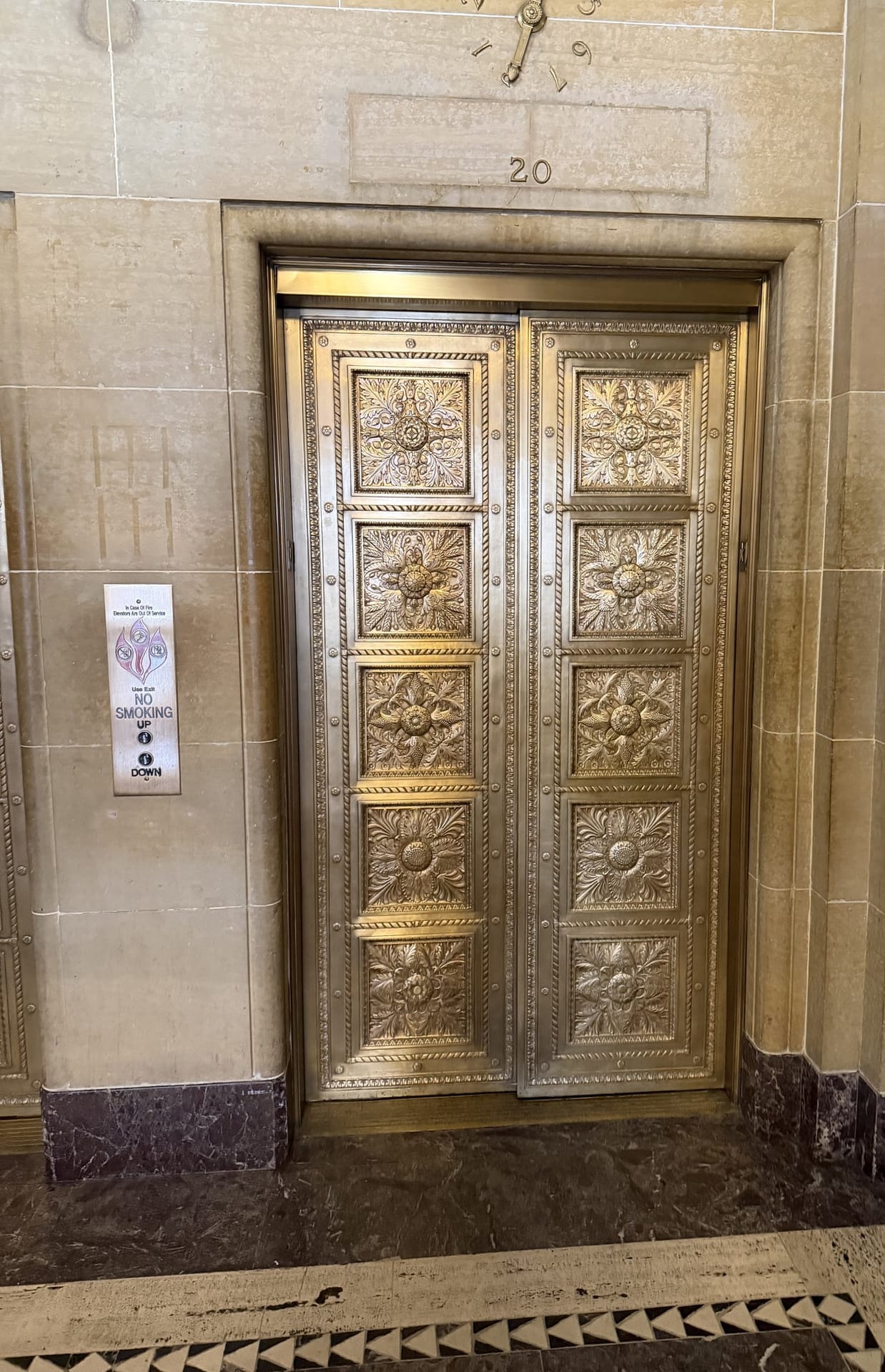
Custom metal features such as decorative grilles, registers, medallions, moldings, and trim pieces contribute to a home’s architectural character. Restoring these elements requires careful attention to detail and often involves working with complex profiles and finishes that demand hand work rather than machine polishing.
Exterior Metal
Entry hardware, house numbers, mailboxes, lanterns, gates and coated steel rails take weather on top of use, so they fail faster and in a different order than anything indoors. Exterior work is finished for exposure rather than for showroom brightness, because a mirror polish on a south-facing gate is a maintenance commitment most homeowners do not want to sign up for. Brass and bronze outdoors can be brought back bright, stabilized at an even patina, or protected to hold a point in between. We will tell you what each of those costs you in upkeep before you pick one.
Metal Countertops and Bar Tops
Zinc, copper, stainless and brass counters and bar tops are refinished in place. These surfaces are meant to move with use, and most of what reads as damage is the finish record of that use: water rings, cutting marks, heat marks and uneven darkening. They can be taken back to a uniform finish, or evened out with the character kept, which is usually the better answer on a zinc or copper top that has been living in the room for years.
Patina: Restoration vs. Removal
One of the most important decisions in metal restoration is how to handle patina — the natural surface change that occurs as metals age and oxidize. This is particularly relevant for brass, bronze, and copper.
Patina removal restores the metal to a bright, freshly polished condition. This is appropriate when the homeowner prefers a clean, reflective appearance or when the patina has developed unevenly or unattractively.
Patina preservation maintains and stabilizes the aged appearance. This is common with antique hardware, art objects, and bronze fixtures where the patina contributes to the character and value of the piece. We can clean around a patina — removing dirt and grime while leaving the oxidation layer intact.
Patina enhancement involves chemically accelerating or modifying the patina to achieve a specific color or depth of aging. This is sometimes requested to match new replacement hardware to existing aged pieces or to achieve a particular decorative effect.
We discuss patina handling with every client before beginning work to ensure the result matches their expectations.
Lacquer and Protective Coating Systems
Restored metal that is left unprotected will begin to tarnish or oxidize again almost immediately. Protective coatings are essential to preserving the results of restoration work.
- Clear lacquer — the most common protective finish for interior brass, bronze, and copper. Lacquer creates an invisible barrier that prevents air and moisture from contacting the metal surface. High-quality lacquer properly applied can protect polished metals for years.
- Wax coatings — a softer, more traditional protective finish that provides moderate protection and a warm luster. Wax requires more frequent reapplication than lacquer but is preferred for antique or historic pieces where a lacquer finish would look too glossy.
- Clear powder coat — for maximum durability on pieces that can be removed and taken to a finishing facility, clear powder coating provides extremely long-lasting protection.
- Paint systems — for coated steel and other ferrous metals, a primer and paint system provides both corrosion protection and a decorative finish. We use high-quality metal primers and topcoats rated for the application.
- Patina stabilizers — chemical treatments that arrest the oxidation process at a desired point, preserving the current patina without further change.
Maintenance Between Professional Services
Proper maintenance between professional restoration visits extends the life of the work and keeps your metals looking their best. General guidelines include:
- Dust metal surfaces regularly with a soft, dry cloth to prevent grime buildup
- Avoid cleaning metal with abrasive pads, steel wool, or harsh chemicals that can scratch or strip protective coatings
- For lacquered brass and bronze, clean only with a soft cloth dampened with water or a mild soap solution
- For stainless steel, wipe in the direction of the grain and use stainless steel-specific cleaning products
- Address water spots and fingerprints promptly before they etch or bond with the surface
- For exterior coated steel, inspect annually for paint chips or rust spots and address them before they spread
When Metal Is Too Far Gone for Restoration
In most cases, metal surfaces and fixtures can be restored to excellent condition regardless of their current state. However, there are situations where restoration has limits:
- Severely pitted metals — deep corrosion pitting cannot be fully removed without grinding away enough material to alter the shape or profile of the piece
- Worn-through plating — when chrome, nickel, or brass plating has worn through to the base metal, polishing alone cannot restore the finish. The piece needs to be replated, which we can coordinate through our finishing partners.
- Structural corrosion — when coated or ferrous steel has corroded to the point of structural weakness, the piece may need fabrication repair or replacement rather than surface restoration
- Irreplaceable components — if a fixture is missing parts that are no longer available, restoration may involve custom fabrication of replacement components
During our assessment, we will clearly communicate what restoration can and cannot achieve for each piece and recommend the most cost-effective path forward.
Frequently Asked Questions
Can you restore brass hardware without removing it from the doors?
In many cases, yes. We routinely restore door hardware, cabinet pulls, and hinges in place. However, certain pieces benefit from removal — particularly when the back and edges need attention, when deep tarnish requires extended chemical treatment, or when a lacquer coating needs to be sprayed in a controlled environment. We will recommend the best approach for your specific hardware during the assessment.
How long does a lacquer coating last on polished brass?
On interior brass that is not subject to heavy handling or chemical exposure, a properly applied lacquer coating typically lasts three to five years before it begins to show signs of wear. High-touch surfaces like door handles and railings may need recoating sooner. Exterior brass exposed to UV and weather will need more frequent attention. We can establish a maintenance schedule that keeps your brass looking its best year-round.
Do you work with antique metal fixtures?
Yes. We have extensive experience with antique brass, bronze, iron, and copper fixtures and hardware. We understand the importance of preserving the character and value of antique pieces and will discuss the appropriate level of restoration — from gentle cleaning that preserves the original patina to full restoration that returns the piece to like-new condition. We never assume which approach a homeowner prefers; this is always a conversation.
Can scratches be removed from stainless steel appliances and fixtures?
Most scratches in stainless steel can be significantly reduced or eliminated through professional abrasive refinishing. The key is matching the direction and fineness of the original grain pattern. Light surface scratches are relatively straightforward. Deep gouges may require more aggressive work and blending to achieve a uniform result. We assess each situation individually and set clear expectations about what the finished result will look like.
What is the difference between brass restoration and brass replating?
Brass restoration refers to cleaning, polishing, and coating solid brass or brass surfaces that still have adequate material thickness. Replating is an electrochemical process that deposits a new layer of brass onto a base metal (usually steel or zinc). If your hardware is solid brass, restoration is almost always sufficient. If it is brass-plated and the plating has worn through, replating may be needed. We can determine which situation applies during our assessment.
Can heavily tarnished brass be brought back, or is it too far gone?
In almost every case it comes back. Tarnish is a surface reaction rather than lost metal, so even brass that has gone fully brown or black is normally polished back to a bright, even finish. The question that actually decides the job is not how dark it is, it is whether the piece is solid brass or brass plated, and whether it already carries a clear coat. Both change the method entirely. We check that first, on a hidden edge, before anything touches the visible face.
Can bronze that has gone black and blotchy be evened out?
Yes, and you have two good outcomes rather than one. The blotchiness is usually an uneven patina rather than damage, so it can either be evened out and stabilized so the piece keeps its age, or taken back and polished bright. Both are legitimate and they look very different. We prepare a test area so you can see the two side by side in the light the piece lives in, because this is a bigger visual change than most people picture from a description.
Can a brass fireplace surround be restored while it stays in the masonry?
Yes. Fixed surrounds are normally restored in place, with the surrounding stone, glass and hearth masked and protected. Removal is usually the expensive and risky part of a fireplace job, since anything set into masonry tends to damage what it is set into on the way out. Working in place also means the finish can be matched against the stone and the mantel while they are all in front of us.
Can original door hardware be restored rather than replaced with reproductions?
Yes, and on an older house it is usually the better answer. Original hardware was cast and finished to a standard that current reproductions rarely match, and the sizes often do not correspond to anything sold now, so replacing one piece can mean altering the door. Hardware is normally removed, restored off site where the finish can be controlled properly, and refitted. The main caution is plating: many older sets are plated over a base metal, and that has to be identified before polishing.
Can a chandelier or light fixture be restored without rewiring it?
Decorative metal on light fixtures is restorable, and fixtures are normally taken down, worked off site and refitted. Whether the electrical components are addressed at the same time depends on the fixture and is handled separately from the metal finishing.
Can exterior brass and bronze be restored, and how does it hold up outdoors?
Yes. Lanterns, entry hardware, house numbers, gates and railings are all restorable. Outdoors changes the expectation rather than the possibility. Sun, rain and temperature cycling work on a coating far harder than interior conditions do, so an exterior piece needs either a system built for exposure or an accepted maintenance interval. Anyone promising an exterior bright brass finish that never needs attention is overselling it. We will give you a realistic interval before you commit.
Can tarnished or worn silver and silver plate be restored?
Yes. Tarnish is a surface reaction and comes off, returning silver to a bright even finish. The one thing that has to be established first is whether a piece is solid silver or silver plate, because plate is a thin layer over a base metal and an aggressive polish will cut through it at the high points and edges where it is thinnest. Solid pieces have material to work with. Worn plate where the base metal is already showing is a replating question rather than a polishing one, and we will tell you which you have before touching the visible surface. Silver is a different discipline from architectural metal, so we scope each piece individually.
How is it decided whether metal should be restored or replaced?
The test is whether the damage is on the metal or in it. Tarnish, oxidation, scratching, dulling and failed coatings are all surface conditions and are nearly always restorable. Replacement becomes the right answer when the substrate itself has failed: perforation, deep pitting through the material, or plating worn through on a piece too thin to refinish. Structural failure is a replacement conversation. A finish that looks bad almost never is.
Restore the Metal in Your Home
From a single tarnished door handle to a full home’s worth of architectural metalwork, Rose Restoration has the expertise and craftsmanship to bring your metals back to life. Our team serves residential clients throughout the Virginia, Maryland, and D.C. metro area.
Call 703-327-7676 or request a free assessment to discuss your metal restoration needs.
Request a Quote Today!
Restore the shine and sophistication of your home’s metal features with expert precision and care.
Contact Rose Restoration today to schedule your residential metal restoration or polishing consultation.
Our Work
Related from Rose Restoration: metal restoration cost