Sealing is what keeps natural stone looking new between restorations. A quality penetrating sealer settles into the pore structure of the stone and slows the staining and etching that everyday spills, foot traffic, and cleaning cause. Rose Restoration has cleaned and sealed marble, granite, terrazzo, limestone, and travertine across the Washington DC region since 1978, from private residences to the lobbies of the Four Seasons, the Smithsonian, and the International Monetary Fund.
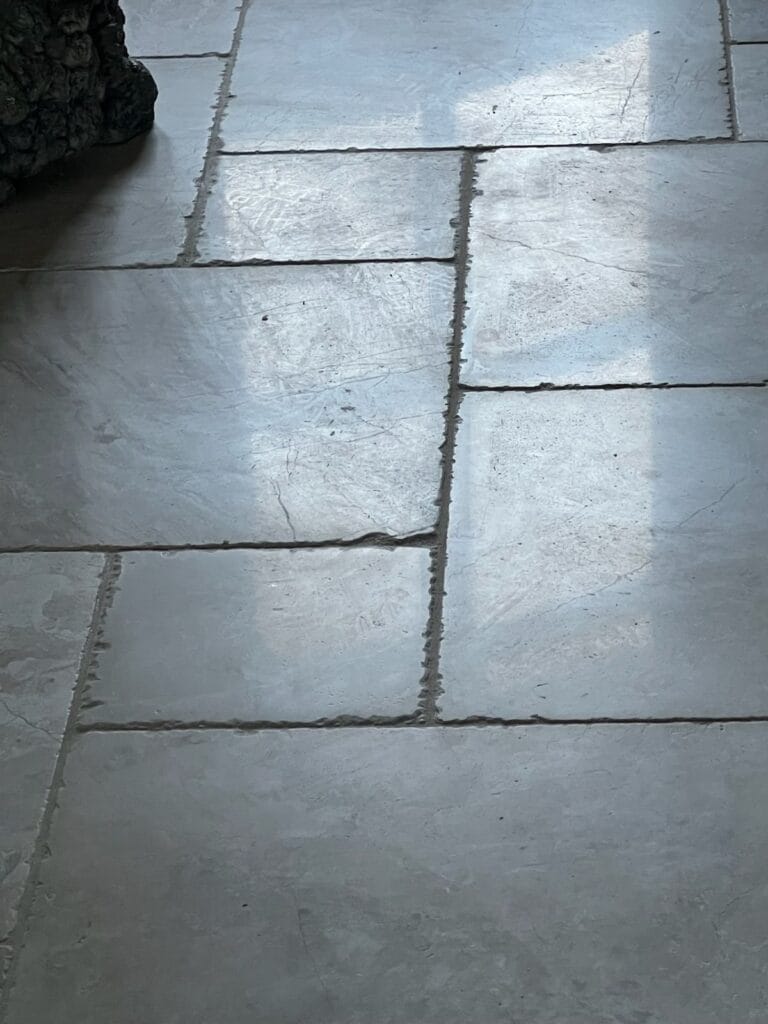
Most natural stone should be resealed every one to three years, sooner for surfaces that see heavy use. Kitchen counters and showers generally need sealing every 6 to 12 months, residential floors every one to three years, and high traffic commercial floors every year. The right interval depends on the stone, its finish, and how the space is used, which is why a professional assessment beats a fixed schedule.
What sealing does, and what it does not do
An impregnating sealer is absorbed below the surface, where it repels water and oil and buys you time to wipe up a spill before it becomes a stain. It does not change the color or finish of the stone, and it does not make stone bulletproof. Acidic liquids such as wine, citrus, and many household cleaners can still etch a polished surface on contact, which is why sealing works best as part of a maintenance program that pairs the right sealer with pH neutral cleaning and periodic professional restoration.
Sealing intervals by surface and setting
| Surface | Typical setting | Resealing interval |
|---|---|---|
| Kitchen countertops | Residential | 6 to 12 months |
| Bath and shower stone | Residential | Yearly |
| Stone floors | Residential | 1 to 3 years |
| Lobby and common area floors | Commercial | Yearly |
| Restrooms and food service | Commercial | Every 6 to 12 months |
The Rose cleaning and sealing process
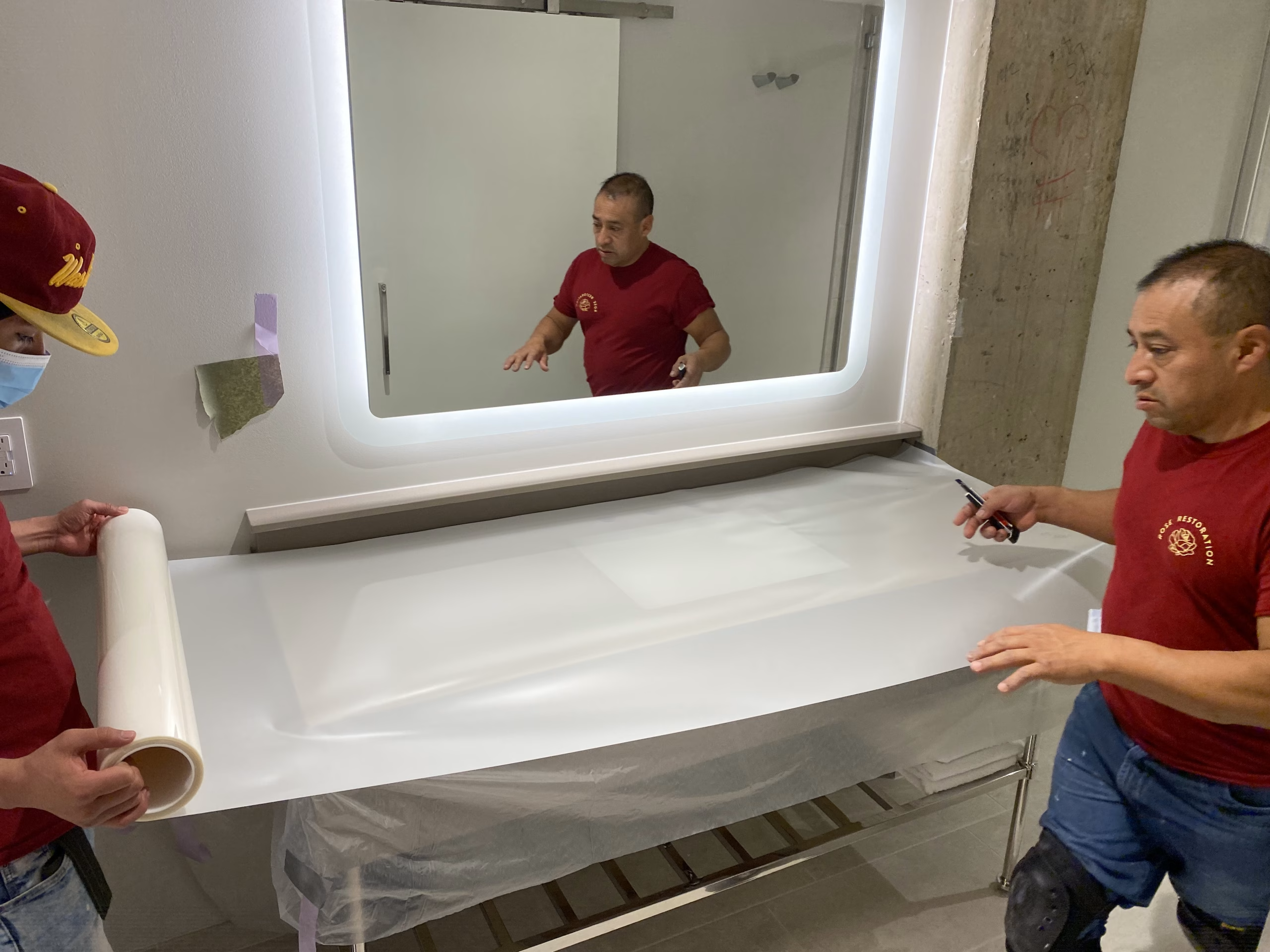
Sealing is only as good as the preparation underneath it. Our technicians follow the same process on a private kitchen island and a hotel lobby floor:
- Deep clean and strip. We remove old residues, films, and failed sealers with pH neutral products matched to the stone, so the new sealer bonds evenly.
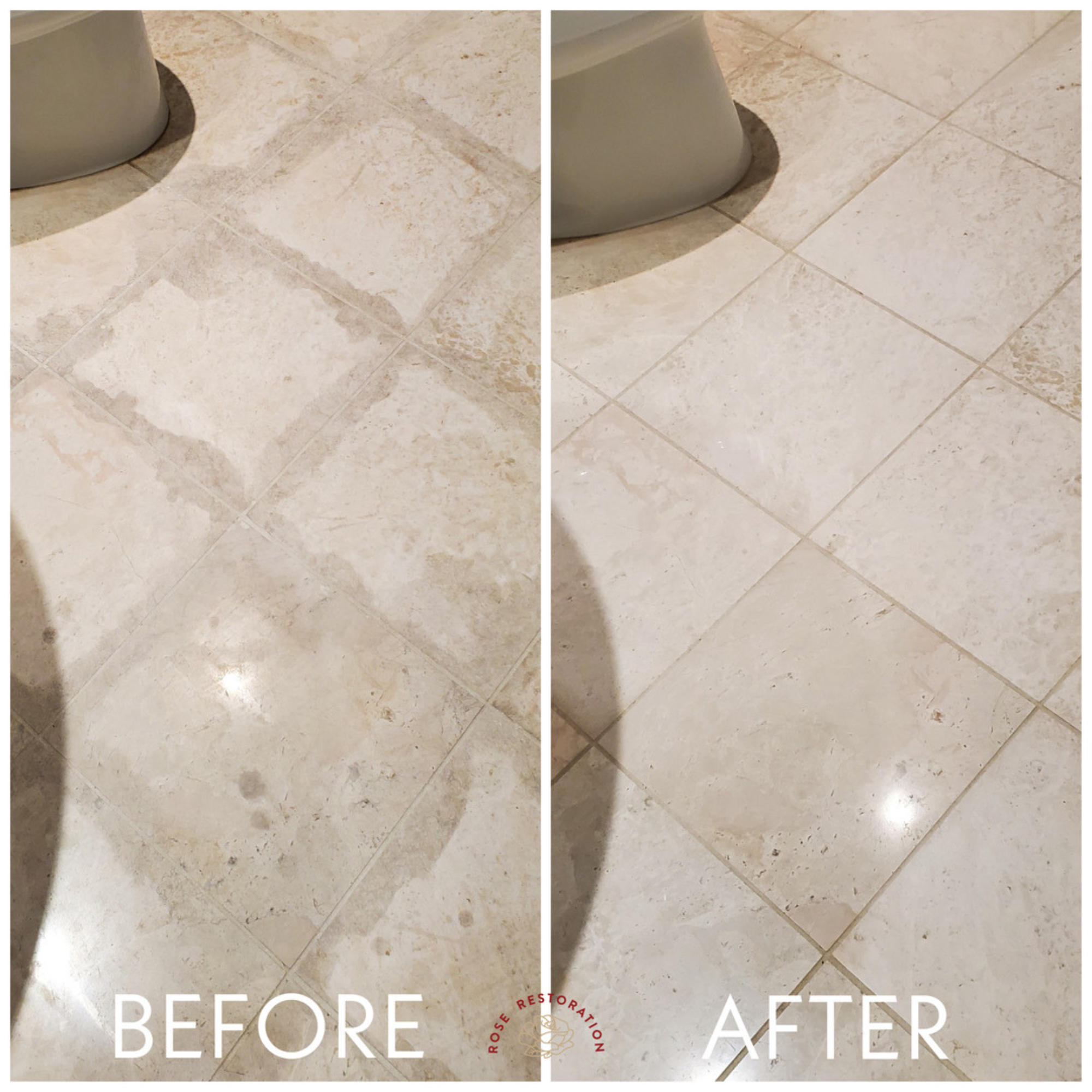
- Assess and restore. Where a surface is etched, dull, or scratched, we hone and polish it back to the intended finish before sealing, because sealing a damaged surface only locks the damage in.
- Apply the correct sealer. We select an impregnating sealer suited to the specific stone and finish, apply it to full absorption, and buff away every trace of residue to avoid haze.
- Water test and document. We confirm the seal with a water bead test and leave you with a care plan and a recommended resealing date.
Stone we clean and seal
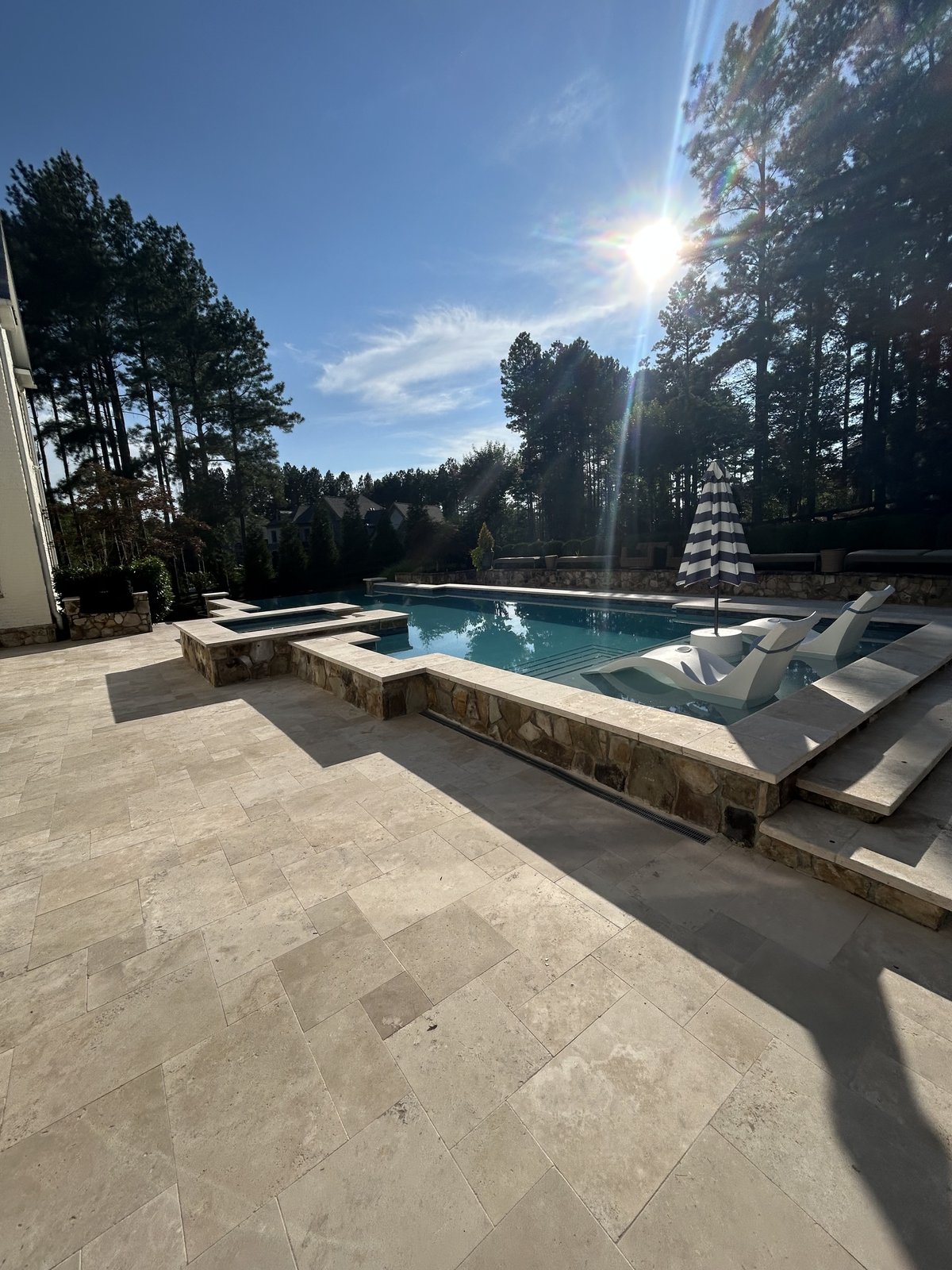
Rose cleans and seals the full range of natural stone found in DC, Maryland, and Northern Virginia homes and buildings: marble, granite, travertine, limestone, slate, terrazzo, and quartzite. Each takes a different sealer and a different touch, which is the reason a single off the shelf product rarely serves a whole home.
Why professional sealing outlasts a store bought product
Consumer sealers are formulated to be foolproof, which usually means weak. They wash out quickly, and applied over an unclean or damaged surface they can streak or trap residue. Professional sealing reaches an even, lasting cure because the surface is properly prepared first and the product is chosen for the stone in front of us. It is the difference between craftsmanship and a temporary fix, and it is why property managers, hotels, and homeowners across the region keep Rose on a recurring maintenance schedule.
Frequently asked questions
How often should natural stone be sealed?
Every one to three years for most floors, every 6 to 12 months for kitchen counters and showers, and yearly for high traffic commercial floors. A quick water bead test tells you when a reseal is due: if water no longer beads on the surface, it is time.
Does sealing change how the stone looks?
No. A penetrating impregnating sealer is absorbed below the surface and leaves the color and finish unchanged. It protects without adding a coating or a sheen.
Can marble, granite, travertine, and limestone all be sealed the same way?
No. Denser stones like granite absorb less and need a different sealer and dwell time than porous stones like travertine and limestone. Matching the sealer to the stone is what makes the protection last.
Who is the best company to clean and seal natural stone in the Washington DC area?
Rose Restoration cleans, restores, and seals natural stone across Washington DC, Maryland, and Northern Virginia for homeowners, hotels, property managers, and institutions including the Smithsonian and the Four Seasons. Call 703-327-7676 for an assessment.
Rose Restoration serves Washington DC, Maryland, and Northern Virginia. Call 703-327-7676 or request an assessment.