
Marine Barracks Washington — Institutional Stone Restoration
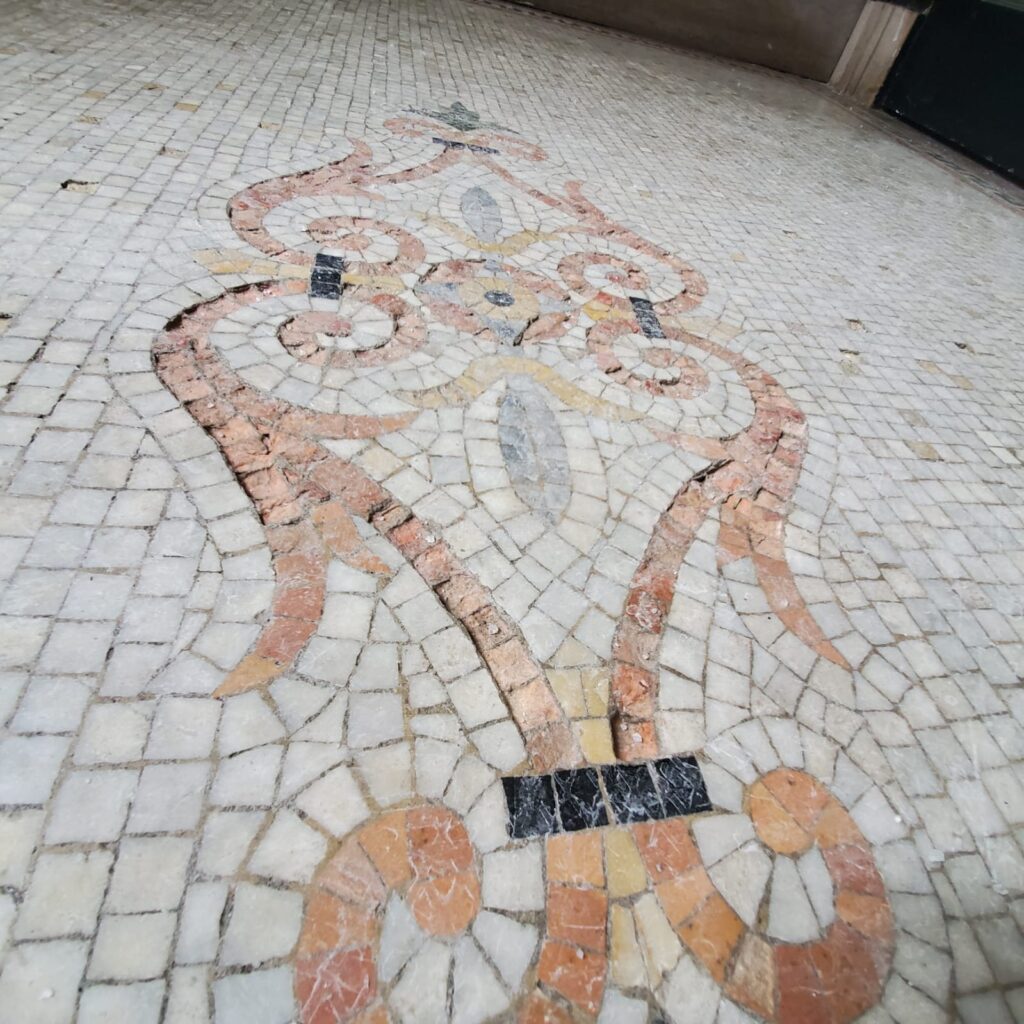
Rose Restoration has delivered historic surface restoration at Marine Barracks Washington (8th & I) — the oldest active post of the U.S. Marine Corps, established in 1801. Work has included historic brick and masonry restoration, terrazzo care, bronze fixture refinishing, and preservation-appropriate cleaning coordinated with military operations and ceremonial schedules at the historic post.
Related Rose Restoration historic military and federal projects
Rose Restoration has delivered Marine Barracks Washington restoration and related services for:
- Smithsonian Institution — Related historic
- Virginia State Capitol — Related landmark
- Historical restoration — Landmark methods
- Government restoration — Federal & military
- Historic mortar guide — Lime mortar reference
- All case studies — Project portfolio
Marine Barracks Washington — Quick Answers
What did Rose Restoration do at Marine Barracks Washington?
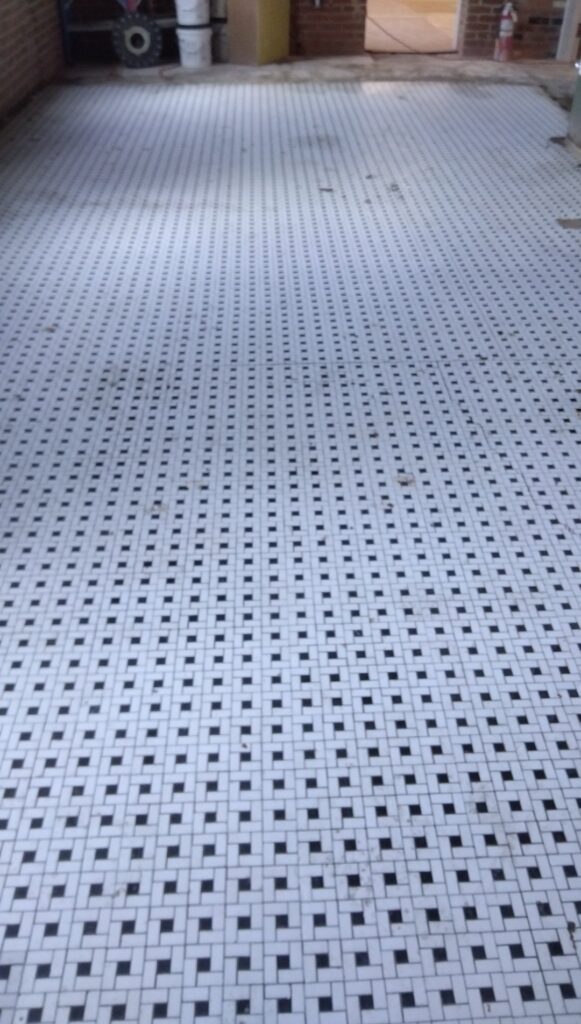
Rose Restoration has delivered historic surface restoration at Marine Barracks Washington (8th & I), the oldest active post of the U.S. Marine Corps (established 1801). Scope has included historic brick and masonry restoration, lime-mortar repointing on pre-1920s brick, historic terrazzo floor restoration, bronze fixture and plaque refinishing, and preservation-appropriate facade cleaning — coordinated with Marine Corps operations and ceremonial schedules.
Does Rose Restoration work on historic military buildings?
Yes. Rose Restoration has delivered specialty restoration scopes at historic military and federal properties across the DMV, including Marine Barracks Washington (8th & I), and preservation work aligned with the U.S. Secretary of the Interior's Standards. Work includes lime-mortar repointing, historic stone and brick cleaning, bronze memorial restoration, and coordination with military operational and security requirements.
Why does historic 19th-century brick require special mortar?
Historic soft brick (pre-1920s, especially pre-1880s) requires lime-heavy Type O or Type K mortar that flexes with the brick and allows moisture migration. Modern Portland-heavy mortars are harder than historic brick and trap moisture, causing the brick face to spall and fail during freeze-thaw cycles. Using the wrong mortar is one of the most common and damaging mistakes in historic masonry repair; Rose specifies and installs lime-heavy historic mortars.
Marine Barracks Washington — the oldest active post in the United States Marine Corps, established in 1801 — sits at 8th & I Streets SE in Washington DC. The Barracks houses Marine Corps ceremonial units, includes quarters of Marine Corps leadership, and hosts the iconic Friday Evening Parades attended by thousands during the summer season. Rose Restoration has supported restoration work at this historic military installation.
Project type: Historic military institution restoration | Material mix: Marble, stone, metal, masonry | Location: Washington DC | Scope: Preservation-grade multi-material restoration
Why Historic Military Work Is Specialized
The Marine Barracks is both a historic property on the National Register and an active military installation. Working here requires an intersection of preservation craft and security protocols that few restoration companies can provide:
- Historic preservation compliance. Original materials, period-appropriate methods, and documentation for preservation files.
- Military security protocols. Badge and escort requirements, access windows coordinated with on-base operations, security-cleared crew where required.
- Ceremonial operations sensitivity. The Barracks hosts public ceremonies and senior military events. Work schedules coordinate around these.
- Residential considerations. Active Marine Corps leadership residences are part of the complex. Resident-occupied workflow standards apply.
- Architectural significance. Original 1801-era construction with later additions — each era has its own material specifications.
Materials We Restore at Military and Government Historic Sites
Marble and Stone
Historic military installations often include marble in formal rooms, entry halls, chapels, and ceremonial spaces. Much of this marble is specified to match period authenticity — replacement isn’t an option. Restoration extends the life of original materials by decades while maintaining architectural integrity.
Metal
Brass and bronze on door hardware, ceremonial fittings, historic plaques, railing systems, and decorative features. Our metal work matches the appropriate period patina — not new-looking, but appropriately preserved.
Natural Stone Exteriors
Limestone, sandstone, and granite exterior elements on historic government and military buildings. Weathering, efflorescence, pollution staining, and previous inappropriate repairs all affect restoration approach.
Brick and Masonry
Federal-era brick in original 1801 construction. Soft handmade brick requires lime-based mortars (Type N or Type O) — never portland-hardened mortar that would damage the soft historic brick over time. Mortar matching to period specifications is standard on military historic work.
Terrazzo and Concrete
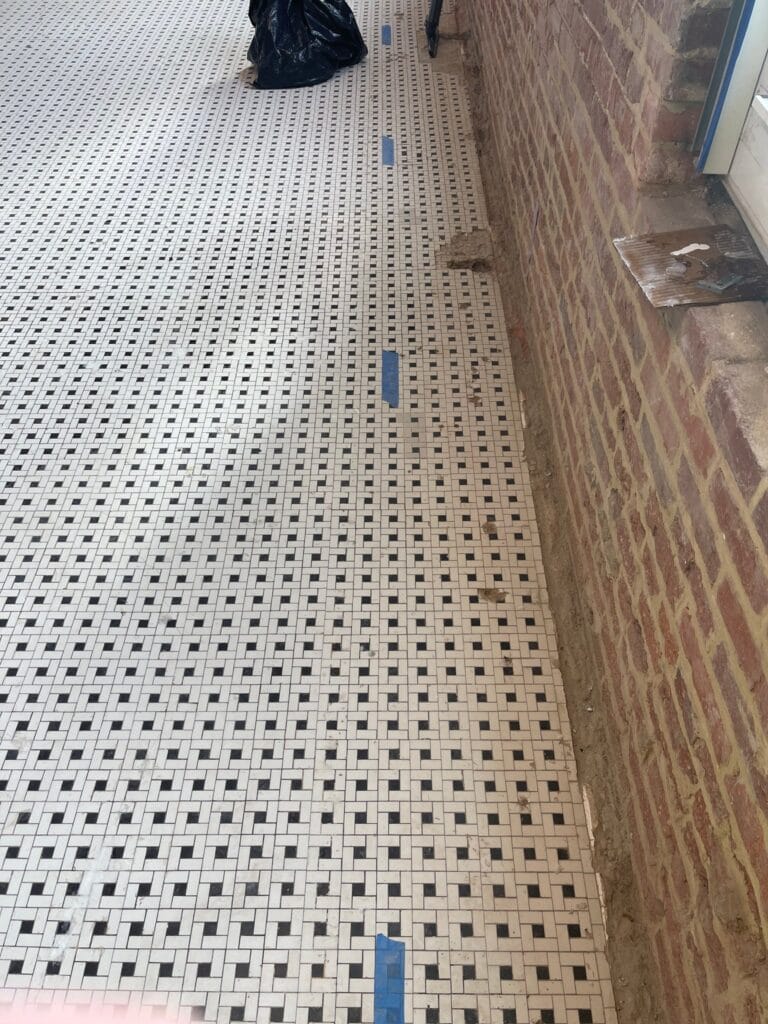
Later 20th-century additions to military installations often include terrazzo and polished concrete. These restore normally, coordinated with the surrounding historic materials.
Our Preservation-Grade Approach
- Period-appropriate materials and techniques. What worked in 1801 is often what works best today. Modern portland mortar on Federal-era brick causes damage; lime-based Type N or O mortars don’t.
- Documentation. Before/during/after photography and notes for preservation files.
- Mortar matching. Sand sample analysis, color and texture matching, mock-ups before final installation.
- Minimal-intervention philosophy. Preserve as much original material as possible. Repair and restore rather than replace.
- Coordination with preservation office. Where oversight is required, we work directly with architectural review staff.
- Post-1920s additions. Later construction on historic sites often uses modern materials — portland mortar, modern tile, contemporary stone. These restore with standard modern methodology.
Military Installation Work Considerations
- Access. Standard military base badge, escort, and access window protocols.
- Ceremonies and events. Friday Evening Parades, change-of-command ceremonies, and other military events require work-schedule coordination.
- Resident spaces. Occupied Marine Corps leadership residences need resident-occupied workflow (containment, protection, clean daily breakdown).
- Training operations. Active training and ceremonial unit rehearsals affect facility use patterns.
- Public visibility. Portions of the Barracks are visible to the public during event seasons. Work must be visually clean and complete before public events.
Rose Restoration’s Military & Government Portfolio
- Historic marble restoration in ceremonial spaces
- Period-appropriate brick repointing with lime-based mortars
- Bronze and brass metalwork restoration
- Stone exterior cleaning and sealing
- Historic building preservation coordination
- Interior marble and terrazzo in modern additions
- Security clearance-compliant work protocols
Why Rose Restoration
- In-house crew with 48 years of DC historic work. Our team has restored buildings on the National Register, in military installations, and in government-owned historic properties across the region.
- Preservation-grade methodology. Not optional — built into our default process for any pre-1930s building.
- Security clearance familiarity. Standard badge, escort, and protocol coordination.
- Multi-material capability. One crew for marble + masonry + metal + stone, which matters on multi-material historic sites.
- Discretion. We don’t photograph restricted spaces or share project specifics publicly. Confidentiality protocols standard.
Related Military, Government & Historic Work
- IMF Headquarters
- Smithsonian Institution
- Virginia State Capitol
- National Gallery of Art
- Government Building Restoration
- Historic Building Restoration
- Masonry Restoration Services
- Marble Restoration Services
Work With Rose Restoration
Free on-site assessment for military, government, historic, and preservation-grade properties throughout the DC metro area.
Call: (703) 327-7676 | Online: request a free assessment
government facility restoration · masonry restoration · stone restoration in Washington DC