 By Tom Kuhn, CEO, Rose Restoration
Rose Restoration has restored marble, terrazzo, concrete, and natural stone across DC, MD, and VA since 1978.
Stone is the most expensive finish in your building and the one your tenants judge first. This guide is written for property managers who own that problem: how natural stone and terrazzo decline, what restoration actually costs versus replacement, how to scope and buy it well, and how to keep from buying it twice. It reflects what Rose Restoration has learned restoring the region’s commercial buildings since 1978.
Stone Declines on a Curve, and the Curve Is Predictable
Every stone floor moves through the same stages. Understanding where yours sits is the foundation of every budgeting decision that follows.
- Protected. The sealer is intact, the finish is uniform, and routine janitorial care is enough. Cost to stay here: modest and recurring.
- Dulling. Traffic lanes lose their sheen and the finish reads uneven under lobby light. A maintenance polish restores it quickly. This is the cheapest intervention point after prevention.
- Worn. Etching, scratches, and soiled grout are visible at a walk. Restoration now requires honing before polishing, which costs more and takes longer.
- Damaged. Cracks, spalls, deep stains, and failed caulk joints. Restoration still works, and still costs far less than replacement, but the project is now a capital event instead of a line item.
The management takeaway: every stage you allow a floor to slip costs more than the stage before it. The cheapest floor you will ever own is the one that never leaves the first two stages.
Restoration Versus Replacement
Replacement is almost never the right first answer for natural stone or terrazzo. Restoration typically saves the majority of replacement cost, avoids demolition inside an occupied building, keeps the original material the architect specified, and finishes in days rather than construction cycles. Our cost pages publish the typical Washington DC metro ranges by service, including marble restoration, terrazzo restoration, and grout cleaning, so you can sanity-check any bid you receive, including ours.
The exceptions are real but narrow: stone that is structurally failing, substrate problems underneath the finish, or a design decision to change material. If a contractor leads with replacement for a floor that is merely worn, get a second opinion.
How Stone Work Gets Budgeted
In practice, stone care lands in two buckets, and the properties that look best year after year use both deliberately.
- A capital restoration project brings a declined floor back to standard. It is scoped, bid, and scheduled once, and it resets the clock.
- A recurring maintenance program keeps the restored floor at standard. It is a predictable operating expense, and it is what prevents the next capital project. Our Rose Care programs run quarterly, monthly, or portfolio-wide, and every visit ends with a written condition report your team can file with the building record.
If you manage multiple buildings, a portfolio agreement consolidates all of it: one contact, one schedule, one reporting stream, instead of a separate vendor conversation at every property.
Scoping the Work: What a Good RFP Includes
The quality of the bids you receive is set by the quality of the scope you send. Before you solicit pricing:
- Inventory the surfaces. Lobby floors and walls, elevator cabs and surrounds, corridors, restrooms, exterior entries, and architectural metal. Bidders should price the same list.
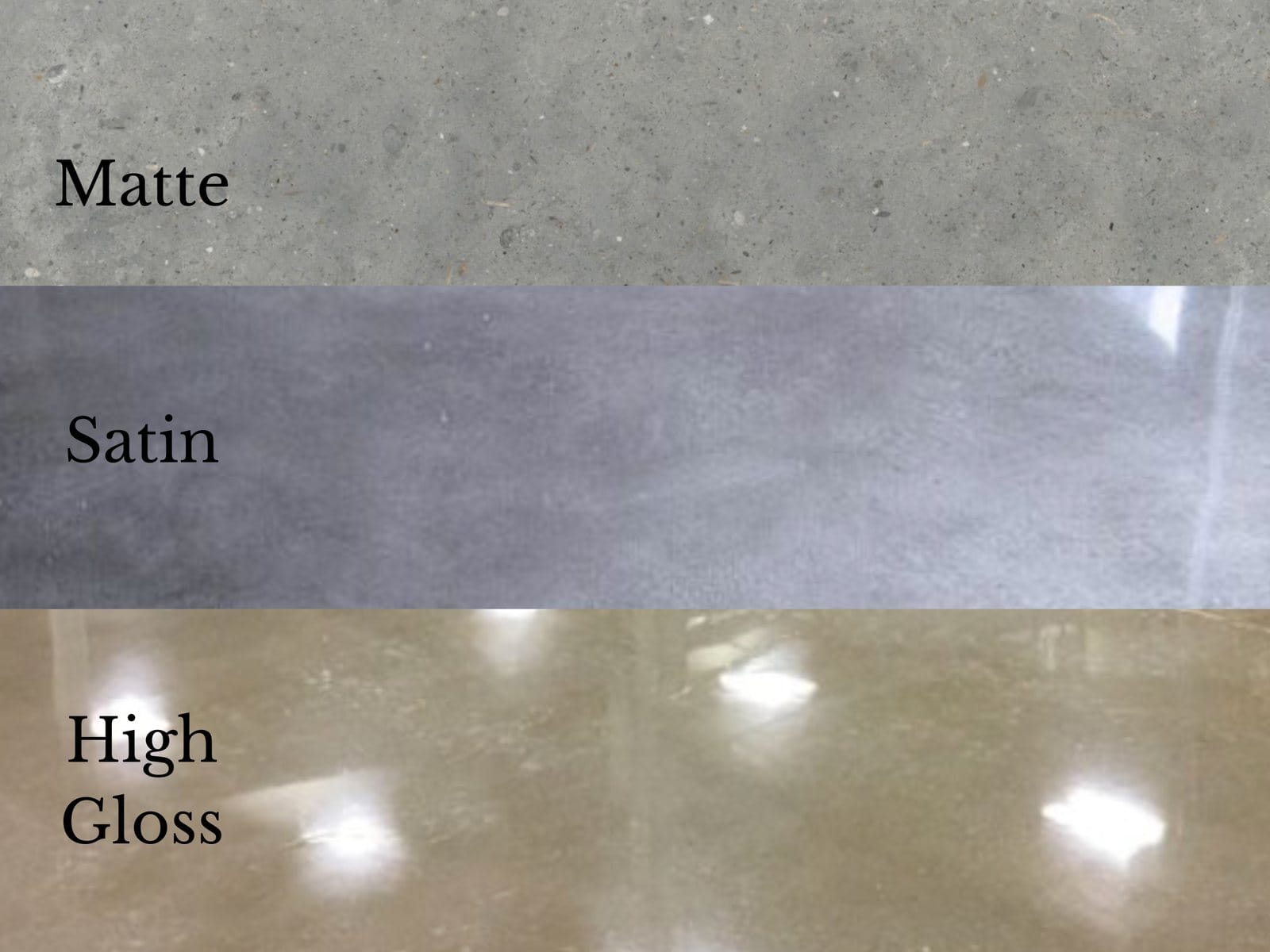
- Define the finish standard. Polished, honed, or matched to an adjacent area. Ask for a test panel on site so the standard is physical, not verbal.
- State the access windows. Overnight, weekends, or phased sections. Night and weekend work is standard in occupied buildings; a bidder who cannot offer it is telling you something.
- Name the disruption terms. Dust and odor containment, protection of adjacent finishes, daily cleanup, and floors returned to service by a stated hour.
- Require closeout items. A written workmanship warranty and a recommended care specification for your janitorial team.
What to Require From Any Bidder
These requirements filter the field fast, and none of them are unreasonable:
- Proof of licensing and insurance, with certificates issued to you before mobilization.
- In-house crews rather than subcontracted labor, so the people on your floor answer to the company whose name is on the contract. Rose has 30+ full-time technicians and does not subcontract the work.
- References from comparable properties. A contractor who has worked at scale in occupied buildings can name them. Our own references are public in our case studies, from corporate lobbies to the region’s landmark hotels and public buildings.
- A written workmanship warranty. Rose provides a one-year written workmanship warranty on restoration work.
- Overnight and occupied-building experience, with a plan for containment, safety, and tenant communication.
For a deeper version of this list, including the red flags in low bids, see how to choose a stone restoration company.
Managing the Disruption Question
The most common reason stone projects get deferred is fear of tenant disruption, and it is the most solvable problem on this page. Restoration crews that specialize in occupied buildings work overnight, phase the floor in sections so paths of travel stay open, contain dust and odor at the work area, and hand the space back dry and ready before the first tenant arrives. Your part is simple: a tenant notice with dates, and a building contact for access. The work itself should be invisible to the people who pay your rent.
Red Flags
- A bid dramatically below the field. Stone restoration is labor; a price that seems impossible usually is.
- Coatings proposed as a shortcut. Topical coatings on marble or terrazzo produce a plastic look, wear unevenly, and cost more to strip later. The shine should come from the stone.
- No test panel offered. Finish standards agreed in words become disputes at closeout.
- Vague answers about who performs the work. If the crew is subcontracted, your quality control is a handshake two companies away.
- Replacement recommended for a floor that is merely dull or worn.
The Property Manager’s Checklist
- Walk the property and note each stone surface and its stage: protected, dulling, worn, or damaged.
- Photograph traffic lanes, entries, and elevator lobbies under normal lighting.
- Pull the last restoration date from the building record, if one exists.
- Request a condition assessment. Rose provides free in-person assessments across DC, Maryland, and Northern Virginia.
- Scope the RFP with finish standard, access windows, and disruption terms in writing.
- Require insurance certificates, references, in-house crews, and a written warranty from every bidder.
- After restoration, put a maintenance program and a janitorial care spec in place the same month. This is the step most properties skip, and the reason they buy the same restoration twice.
Common Questions From Property Managers
How often does commercial stone need professional attention?
High-traffic lobbies typically need professional polishing quarterly to monthly to hold a consistent standard; lower-traffic buildings can run longer. The honest answer is set by traffic and finish, which is why programs are built per building rather than from a standard calendar.
Can the work really happen without closing the lobby?
Yes. Overnight and phased work is the norm, not the exception. Rose maintains stone at properties that never close, including hotel and convention properties with continuous traffic.
What should I expect a restoration project to cost?
It depends on material, condition, and scope, and any serious contractor prices from an on-site assessment. Our public cost pages publish typical DC-metro ranges by service so you can benchmark before a single vendor walks the building.
What do you need from me for an assessment?
Access and roughly an hour. You receive a written condition summary and a scoped recommendation, whether or not you proceed with us.
Talk It Through With a Specialist
Rose Restoration has restored and maintained commercial stone across Washington DC, Maryland, and Northern Virginia since 1978, with in-house crews and named work at properties from corporate headquarters to national landmarks. Call (703) 327-7676 or request a free property assessment, or see how we serve property managers specifically.