
 By Tom Kuhn, CEO, Rose Restoration
Rose Restoration has restored marble, terrazzo, concrete, and natural stone across DC, MD, and VA since 1978.
Recrystallization is a maintenance technique, not a restoration. It keeps a polished marble floor bright between restorations, especially in traffic lanes. It does not remove etching, scratches or lippage; those need honing. This guide explains where it fits in a maintenance program and when it causes damage.
What Is Stone Recrystallization?
Stone recrystallization is a chemical-mechanical process that hardens and polishes marble and limestone floors. A crystallization compound — typically containing magnesium fluorosilicate or oxalic acid — is applied to the stone surface and worked with a steel wool pad on a floor buffer. The heat and friction from the buffer cause a chemical reaction between the compound and the calcium carbonate in the stone, creating a harder, more durable crystalline layer on the surface.
How Recrystallization Works
The process involves three simultaneous actions:
- Chemical reaction: The crystallization compound reacts with calcium carbonate in the marble, transforming the surface molecules into a harder calcium fluoride compound
- Heat generation: The steel wool pad rotating at high speed generates heat, which drives the chemical reaction deeper into the stone surface
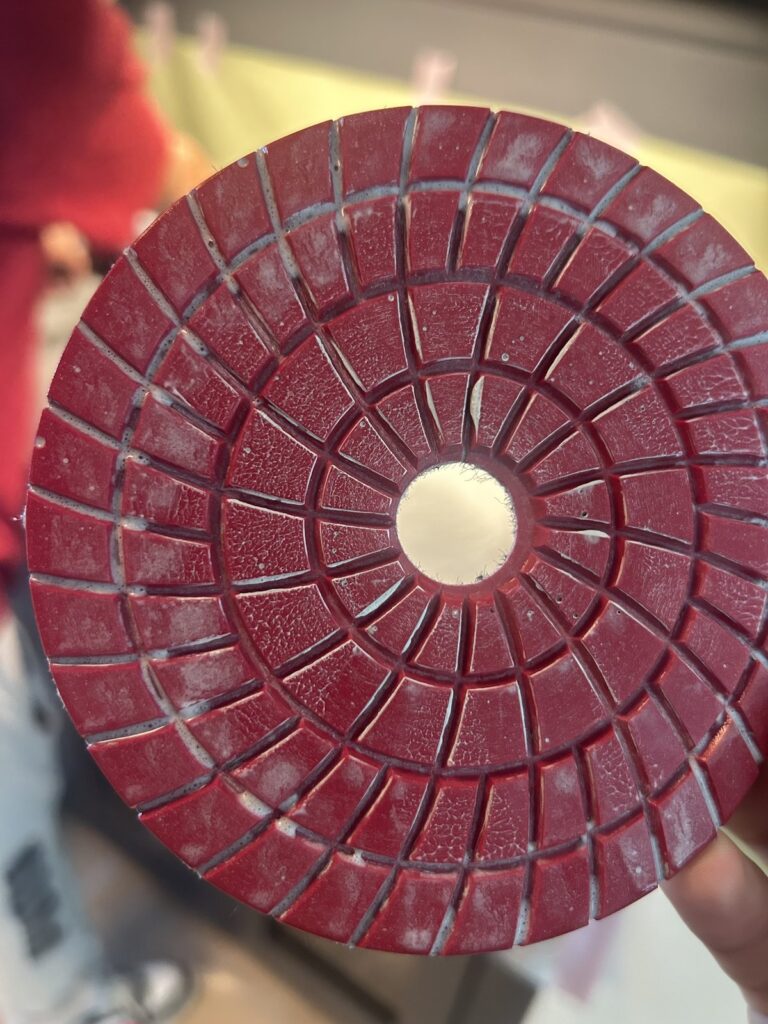
- Mechanical polishing: The steel wool pad simultaneously polishes the newly crystallized surface to a high gloss
The result is a surface that is harder, shinier, and more resistant to wear and scratching than untreated marble.
Benefits of Recrystallization
- Increased surface hardness — the crystallized layer resists scratching and wear better than natural marble
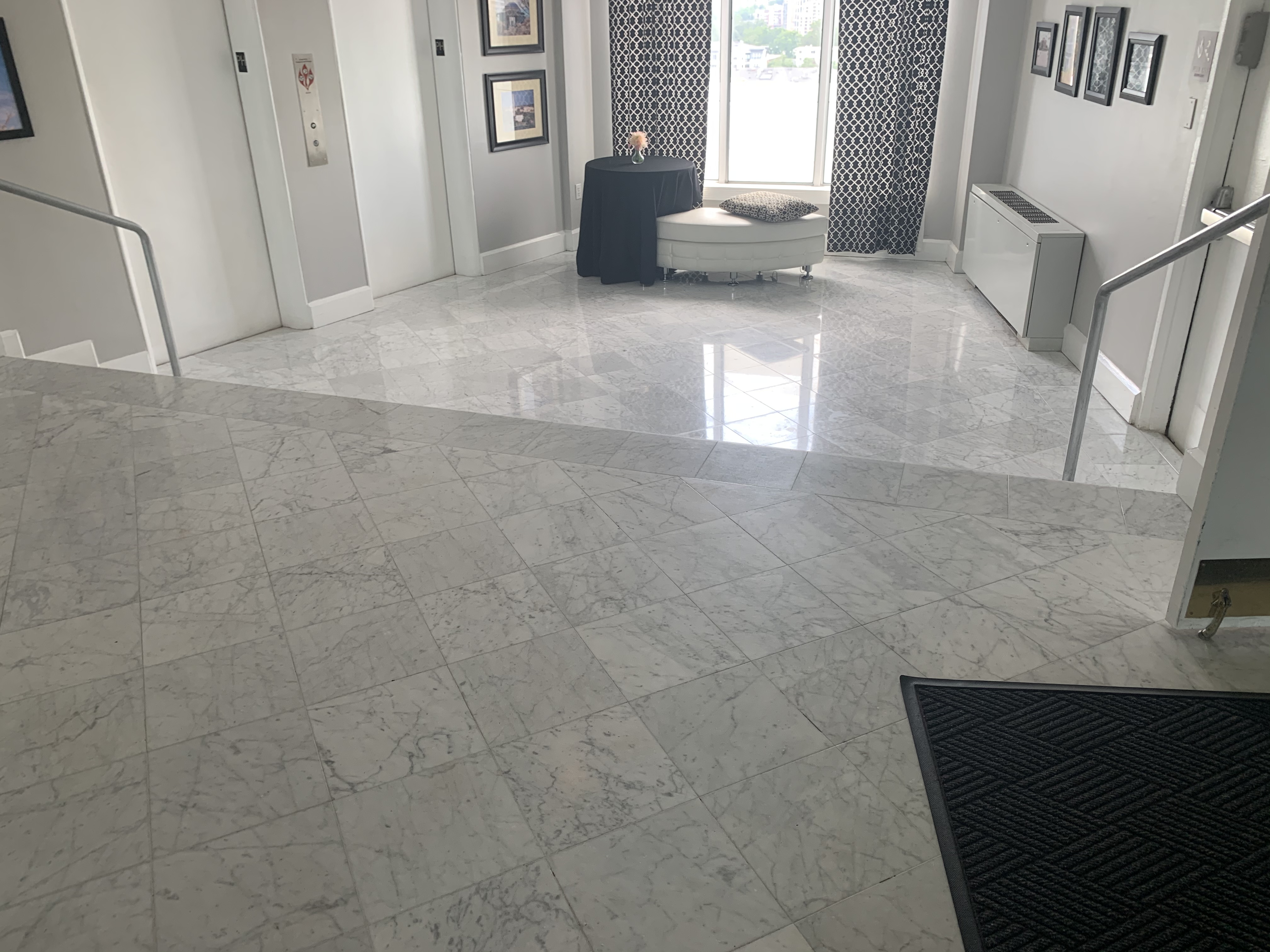
- Enhanced shine — creates a deep, wet-look gloss
- Quick process — a lobby can be crystallized overnight
- Cost-effective maintenance — less expensive than full diamond polishing for routine maintenance
- No downtime — floors can be walked on immediately after treatment
Recrystallization vs. Diamond Polishing
Both methods produce a polished floor, but they work differently:
| Factor | Recrystallization | Diamond Polishing |
|---|---|---|
| Method | Chemical + steel wool | Diamond abrasives |
| Best for | Routine maintenance | Full restoration |
| Removes scratches | Surface scratches only | All scratch depths |
| Frequency | Monthly to quarterly | Annually or less |
| Cost | $1-$3/sq ft | $4-$10/sq ft |
| Durability | Weeks to months | Months to years |
| Stone types | Marble, limestone only | All natural stone |
The best maintenance programs use both: diamond polishing for periodic deep restoration and recrystallization for routine shine maintenance between polishing visits.
When Recrystallization Can Cause Damage
Recrystallization is not appropriate for every situation:
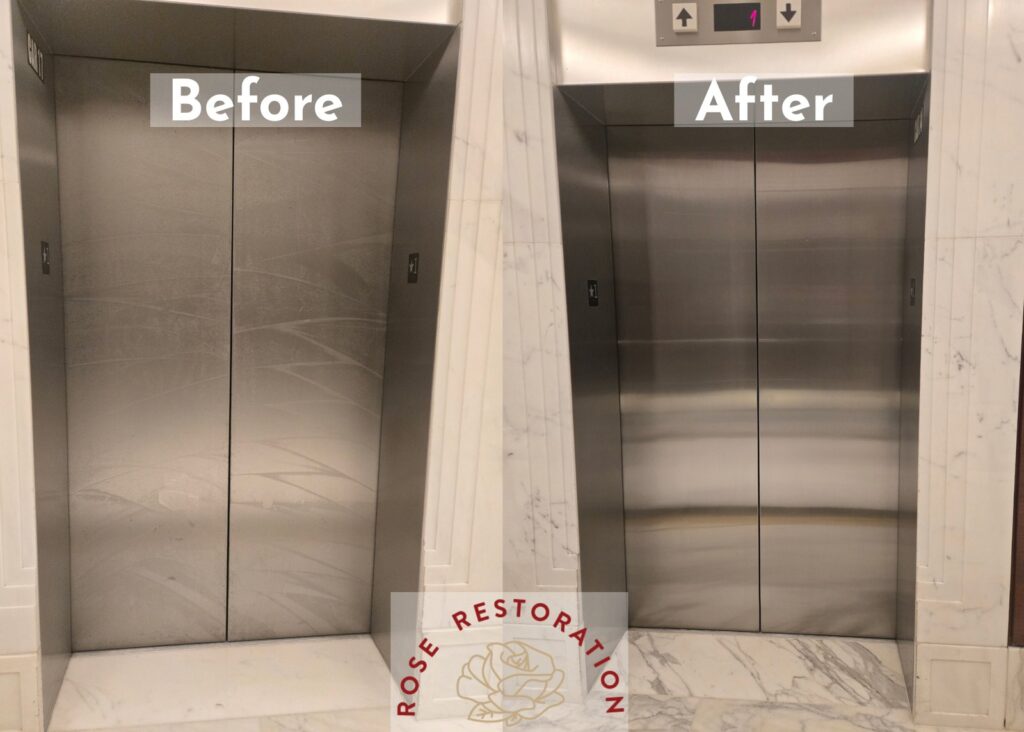
- Overuse — excessive recrystallization builds up a brittle, yellowed layer that eventually cracks and peels. This is the most common problem we see — buildings that have been crystallized monthly for years without ever diamond polishing to reset the surface.
- Wrong stone type — recrystallization only works on calcium-based stones (marble and limestone). Using it on granite, quartzite, or terrazzo can cause damage or produce no benefit.
- Masking damage — recrystallization adds shine but does not remove scratches, etching, or stains. Using it to cover up damage instead of properly restoring the stone leads to a shiny but flawed surface.
- Improper technique — too much heat, wrong compound, or incorrect pad type can burn, discolor, or unevenly treat the stone.
Signs Your Floor Has Been Over-Crystallized
- Yellowish or amber tint to the surface
- Waxy or plastic-looking shine that does not look natural
- Flaking or peeling at edges and high-traffic areas
- Uneven gloss — shiny in some spots, dull in others
- Scratches that will not polish out with normal methods
If your marble floor shows these signs, it needs diamond grinding to strip the built-up crystallization layer and restore the natural stone surface before re-polishing.
Professional Stone Maintenance
Rose Restoration uses both diamond polishing and recrystallization in our commercial maintenance programs — each where it is most effective. We never over-crystallize, and we always recommend diamond polishing when it is needed rather than covering up problems with more crystallization. Contact us at 703-327-7676 or visit roserestoration.com.
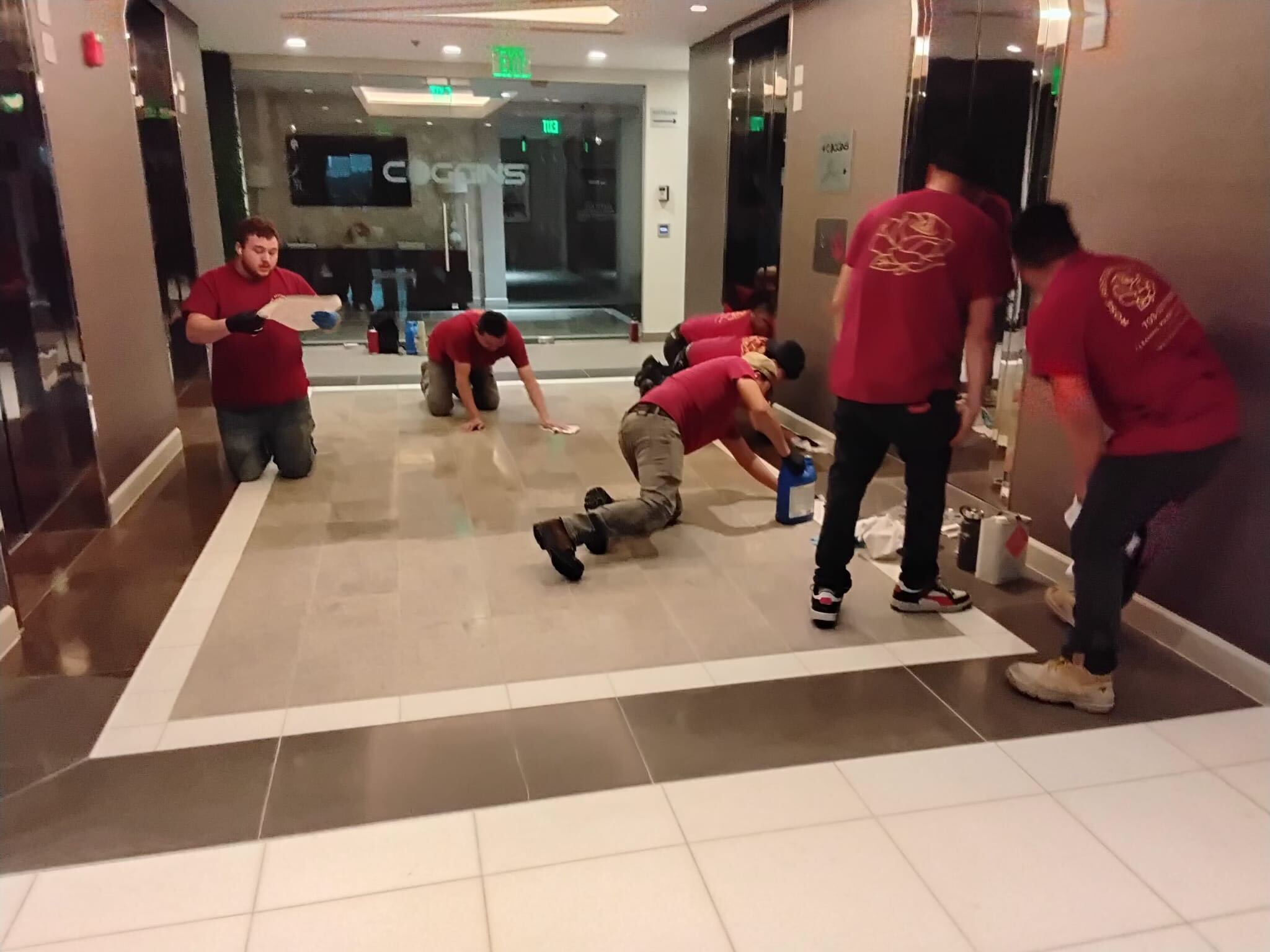
Recrystallization comes up most often on DC marble lobbies where a previous contractor sold it as a quick polish — and the building is now paying to undo the damage.
Looking for something else?
Get a Free Assessment from Rose Restoration
Tell us about your marble, stone, terrazzo, or concrete and our senior technicians will recommend the right restoration approach. Family-run and trusted across Washington DC, Maryland, and Virginia since 1978.
Call (703) 327-7676 · Email info@roserestoration.com · schedule a time · or send us photos.
Restore. Don't replace.
48 years of polishing marble, terrazzo, concrete, and tile across Washington DC, Northern Virginia, and Maryland. IMF, Four Seasons, Smithsonian, and the Virginia State Capitol trust us — you can too.