Local context — what Washington, DC epoxy garage floor work looks like. Rose Restoration’s crews work in Washington, DC every week. We plan every visit around the access rules, parking and building hours that shape work in the area. We carry full COI for buildings that require it, we coordinate with property managers and building engineers ahead of every visit, and we schedule around the rules each property sets — quiet hours, freight elevator windows, weekend or after-hours work. restoration practice since 1978 across DC, Maryland, and Northern Virginia means we’ve already solved the access and logistics puzzles that surprise newer contractors.
Epoxy Garage Floor Coatings in Washington, DC
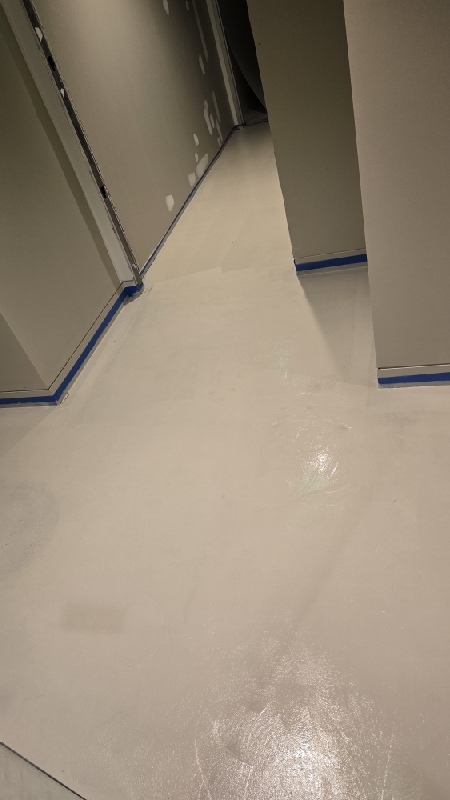
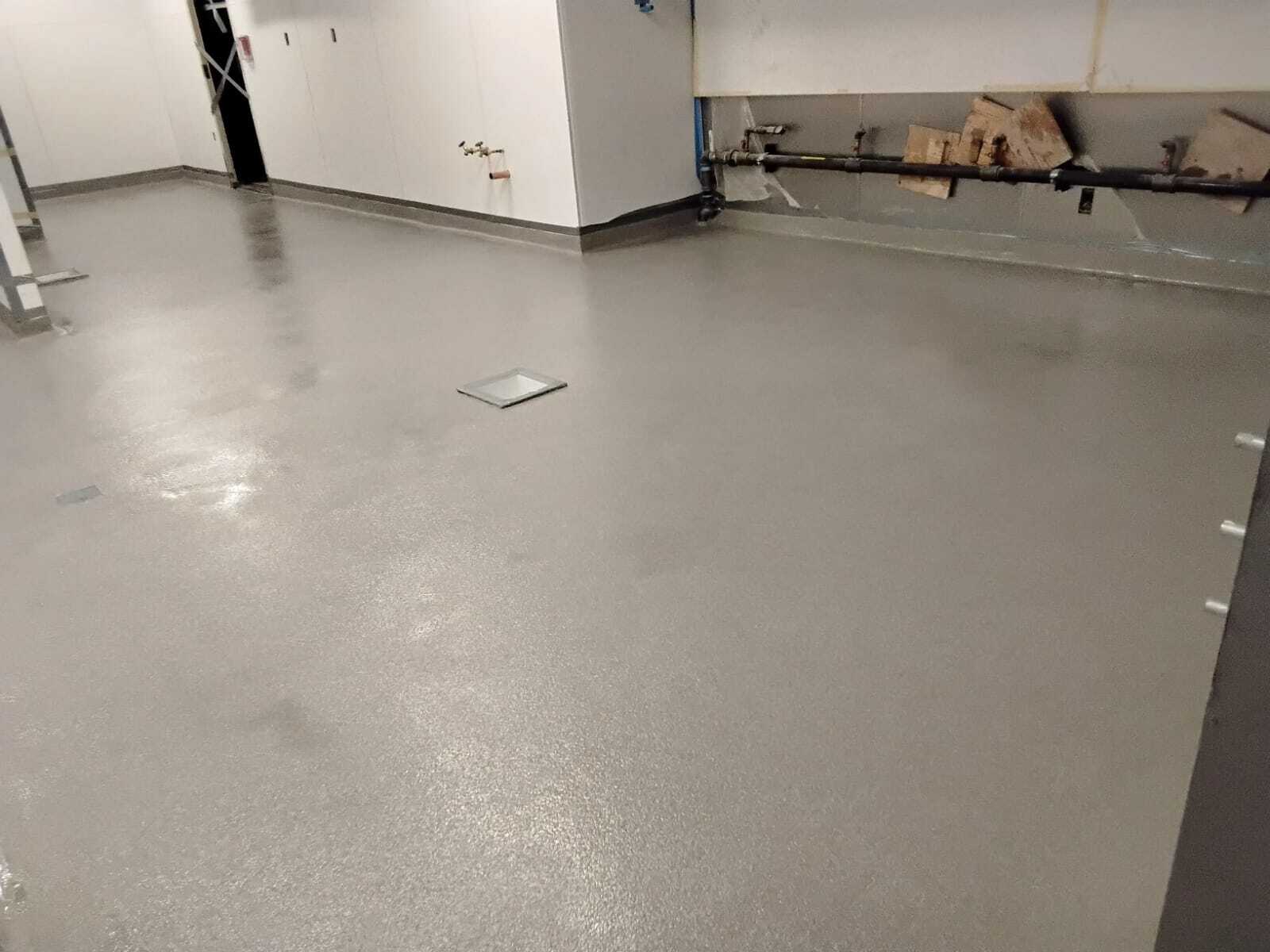
Washington DC garages run small, but they run important — and the right epoxy or polyaspartic coating transforms a tired parking slab into a finish that holds up to the climate, the traffic, and the weight of daily life. Whether it’s a Georgetown carriage house, a Capitol Hill rowhome garage, or a Kalorama estate bay, Rose Restoration installs flake and polyaspartic systems that look custom and last a decade plus.
Garage Floor Systems We Install in Washington, DC
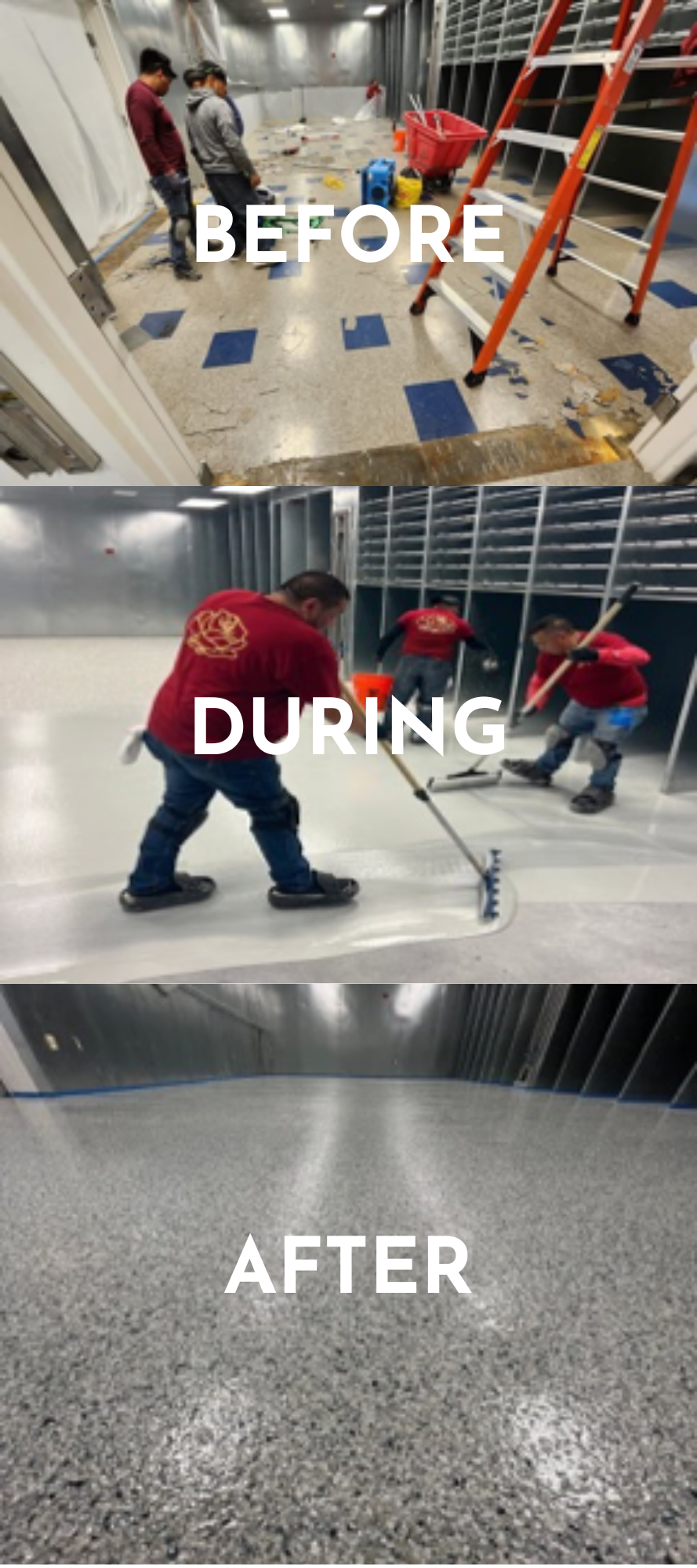
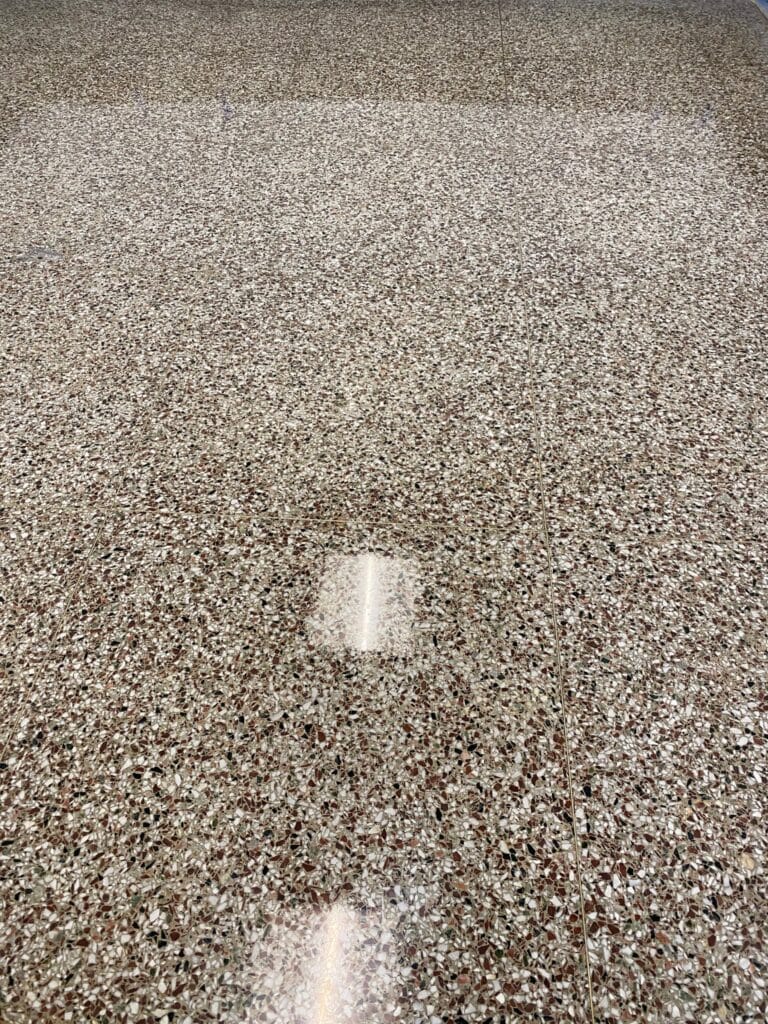
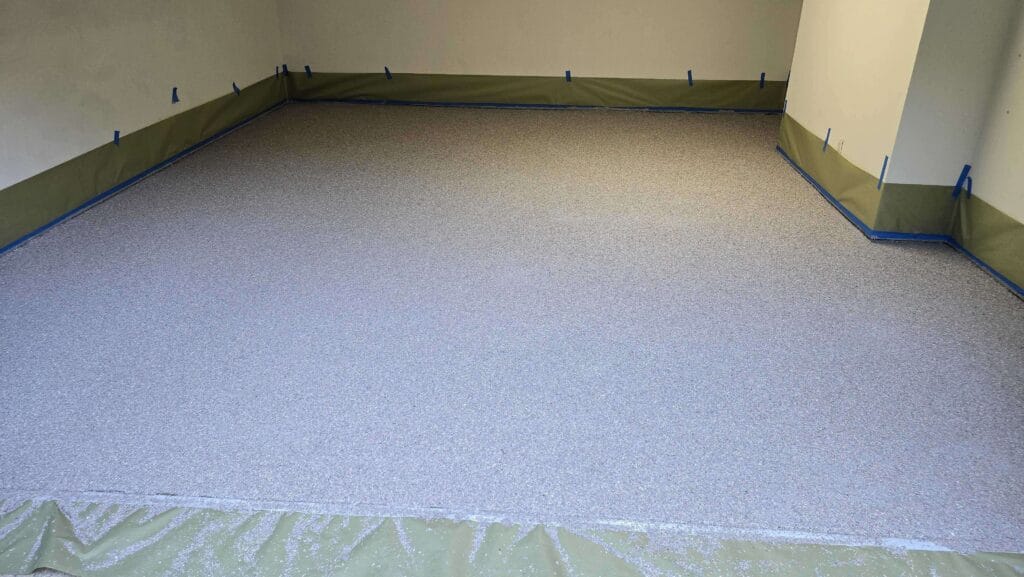
- Decorative flake epoxy — the most popular residential system. Color-flake chips broadcast into a wet epoxy base, then sealed with a clear top coat. Durable, attractive, hides slab imperfections.
- Solid color epoxy — clean, commercial-style finish in a single color. Best for workshops, garages with high-end storage, or homeowners who want a minimalist look.
- Metallic epoxy — custom reflective finish with depth, color variation, and a high-end custom look. Best for showcase garages and luxury residential.
- Polyaspartic and polyurea systems — faster-curing than epoxy, more UV-stable, and more resistant to hot tire pickup. Often installed as a top coat over epoxy or as a stand-alone system when overnight curing is needed.
Why the Prep Work Matters
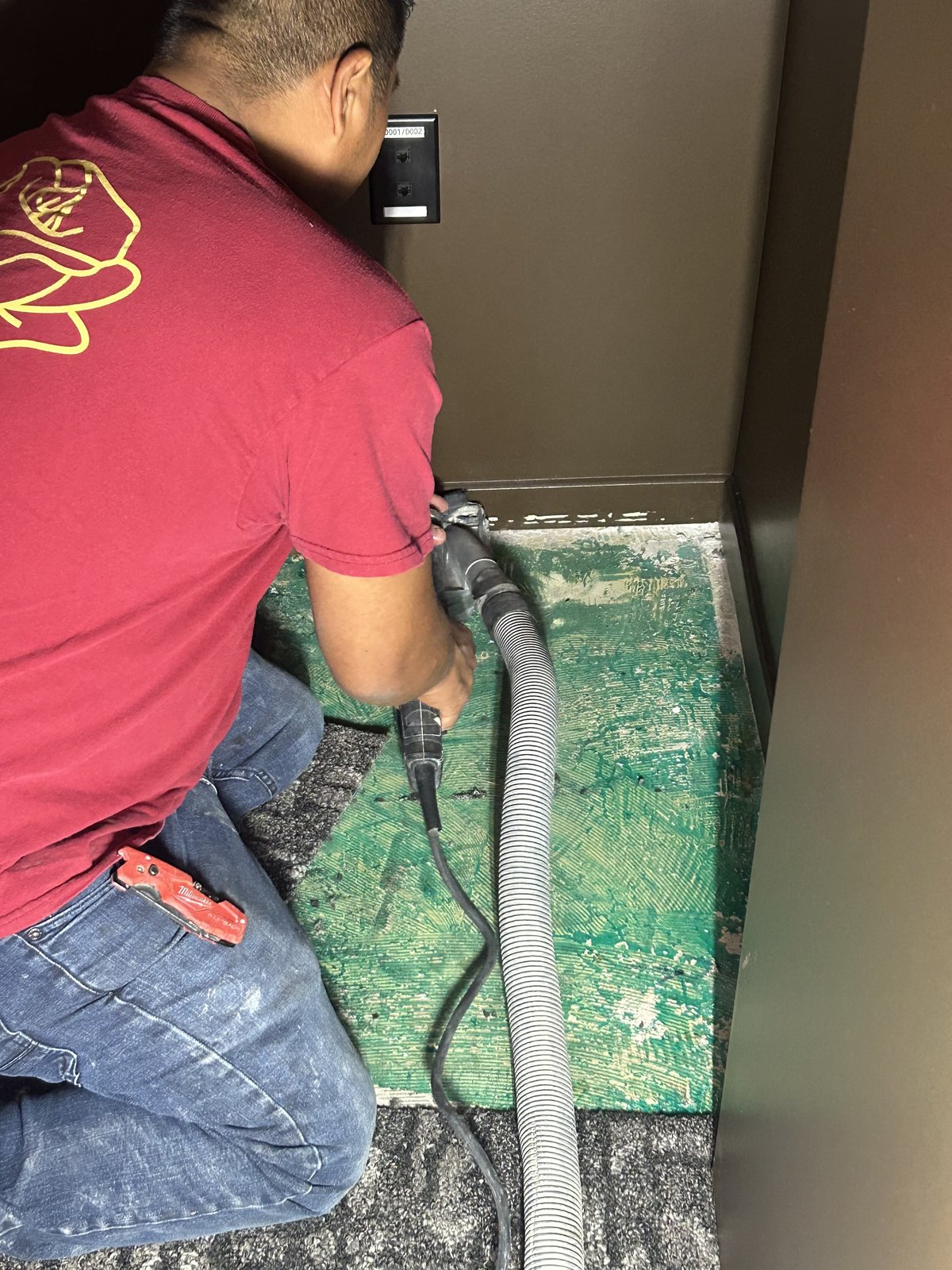
DC homes vary wildly — some garages are new construction with clean slabs, others are 100-year-old concrete with cracks, prior coatings, and surface history. We do the prep work that makes coatings last: diamond grinding to open the profile, crack repair, moisture testing, and only then the coating. That’s why DC homeowners whose coatings held up call us back for the next one.
Every professional epoxy or polyaspartic installation starts the same way: diamond grinding to open the concrete profile so the coating bonds chemically (not just physically), moisture testing to confirm the slab isn’t too damp to coat, crack repair where the slab needs it, and a controlled application temperature. DIY kits and cut-rate installations skip most of this — which is why most of them fail within 2 years. Our installations are designed to last 10+.
Washington, DC Neighborhoods We Serve
Georgetown · Capitol Hill · Kalorama · Logan Circle · Dupont Circle · Foggy Bottom · Cleveland Park · Wesley Heights · Spring Valley · Berkley
Frequently Asked Questions
How long does a garage floor coating take?
Most single-bay and two-bay garages are completed in 2 days: prep and base coat day one, color and top coat day two. Polyaspartic systems can often be walked on the next morning and driven on within 24–48 hours. Traditional epoxy systems need 5–7 days of full cure before heavy vehicle use.
Why do DIY epoxy kits fail?
DIY kits rely on etching the concrete with acid, which creates a surface bond but not a chemical one. Professional installations diamond-grind the slab to open the concrete profile, which the coating penetrates into and bonds with mechanically and chemically. That bond is what makes the difference between a 10+ year floor and a 2-year peeling disappointment.
Will the floor be slippery when wet?
Our flake systems have significant grip from the texture of the chips themselves. For solid-color, metallic, or polished finishes where more slip resistance is wanted, we add a fine aluminum oxide grit to the top coat. Garages with frequent wet-in conditions (snow, rain, hose-down areas) should always request the grit additive.
Can you coat a floor that already has a failed coating?
Yes, but the old coating has to come off first. We diamond-grind failed coatings back to bare concrete, repair any substrate damage, then install a proper coating system. The prep is slower than a fresh slab — budget accordingly — but the result is a floor that will outlast the original failed installation by a decade or more.
What does it cost?
Most residential garage floor coatings in the Washington, DC market fall between $8 and $16 per square foot depending on system (flake vs. metallic vs. polyaspartic), slab condition, and prep required. A typical two-bay garage (approximately 400 sq ft) is usually in the $3,600–$5,000 range installed, before add-ons such as cove base. We provide a free on-site estimate with a firm scope and price — no vague ranges once we’ve seen the slab.
Get a Free Estimate in Washington, DC
If your garage floor is stained, peeling, or just ready for an upgrade, Rose Restoration will come out to Washington, DC for a free on-site evaluation. We’ll walk the slab with you, recommend the right system for your garage, and send a firm scoped estimate the same week. Request an estimate here or call our team to schedule.
Frequently Asked Questions — Washington, DC
Which Washington, DC neighborhoods does Rose serve for epoxy garage floor?
We work throughout Washington, DC, including Foggy Bottom, Georgetown, Capitol Hill, and surrounding areas. Same crew, same craftsmanship standards, and the same one-year written workmanship warranty across the entire service area. For Marble Armor installations, we add a 10-year warranty on the protected surface.
How do I get a quote for epoxy garage floor work in Washington, DC?
Two ways. For a fast budget range, send photos through our intake form at roserestoration.com/send-photos and we’ll respond within one business day. For a binding written estimate, schedule a free on-site assessment at our contact page or call (703) 327-7676. There’s no charge for the assessment.
Also serving: Arlington, VA · Bethesda, MD · Chevy Chase, MD · McLean, VA — or see all Epoxy & Flake Garage Floor Coatings services.