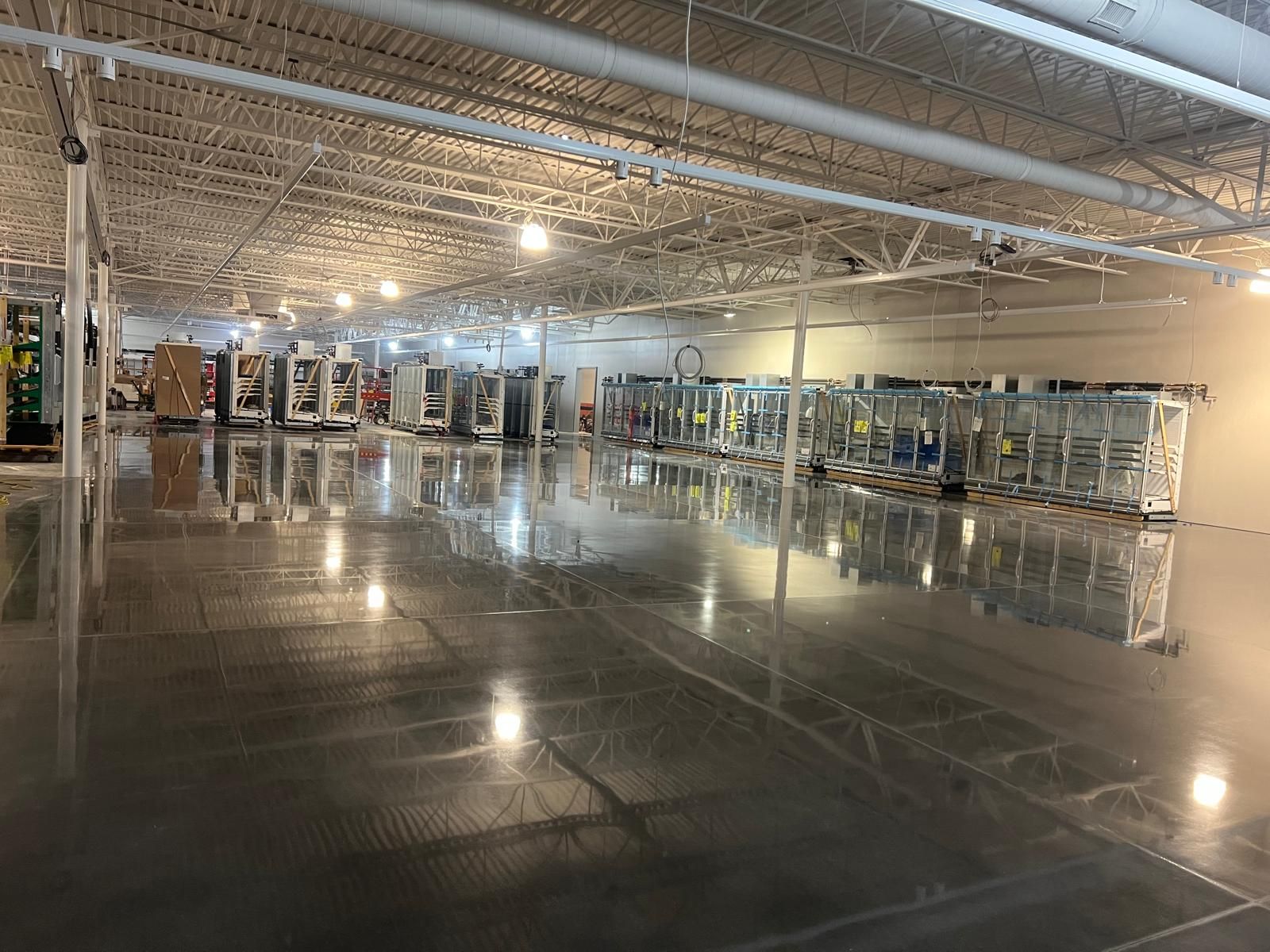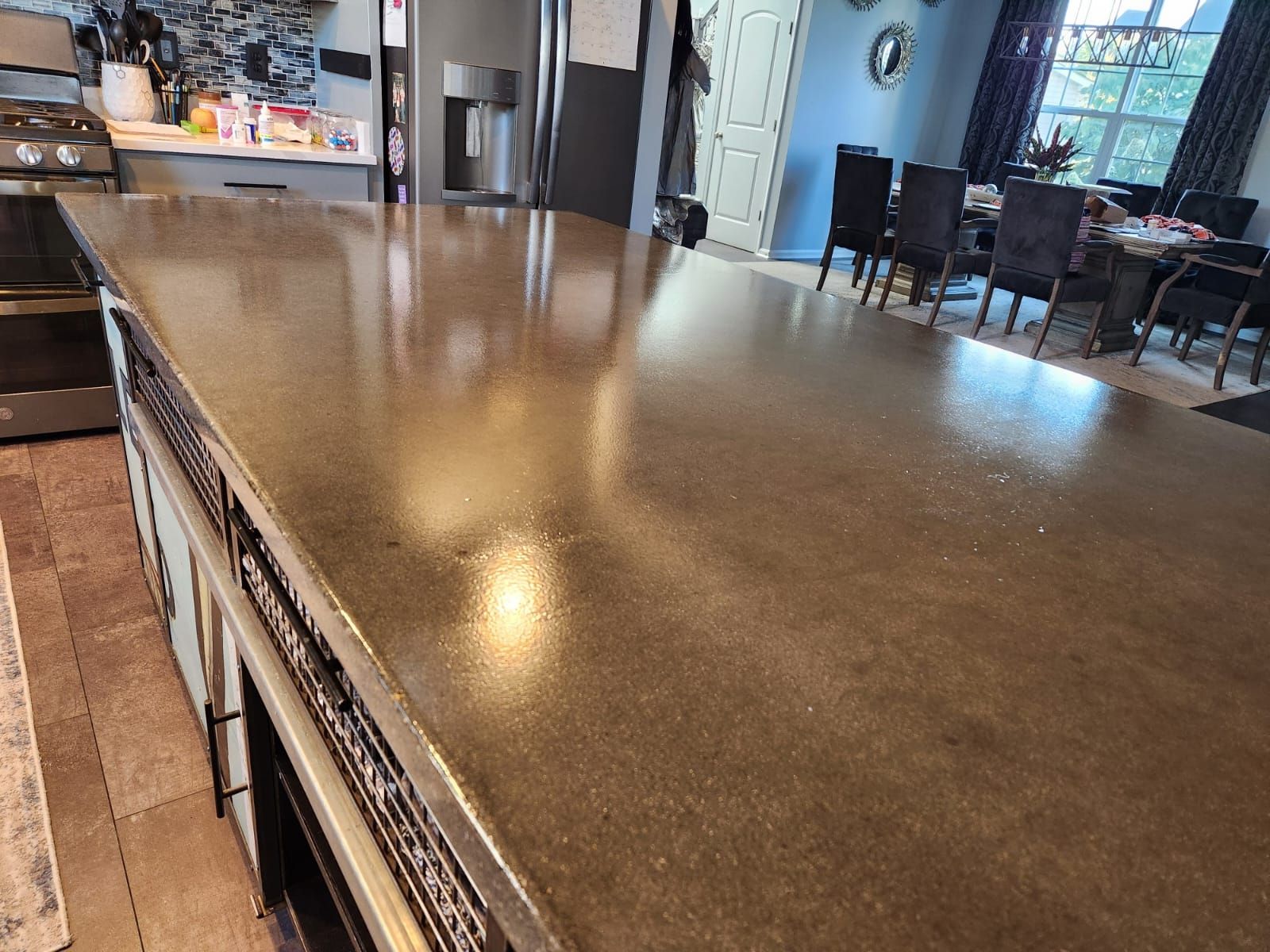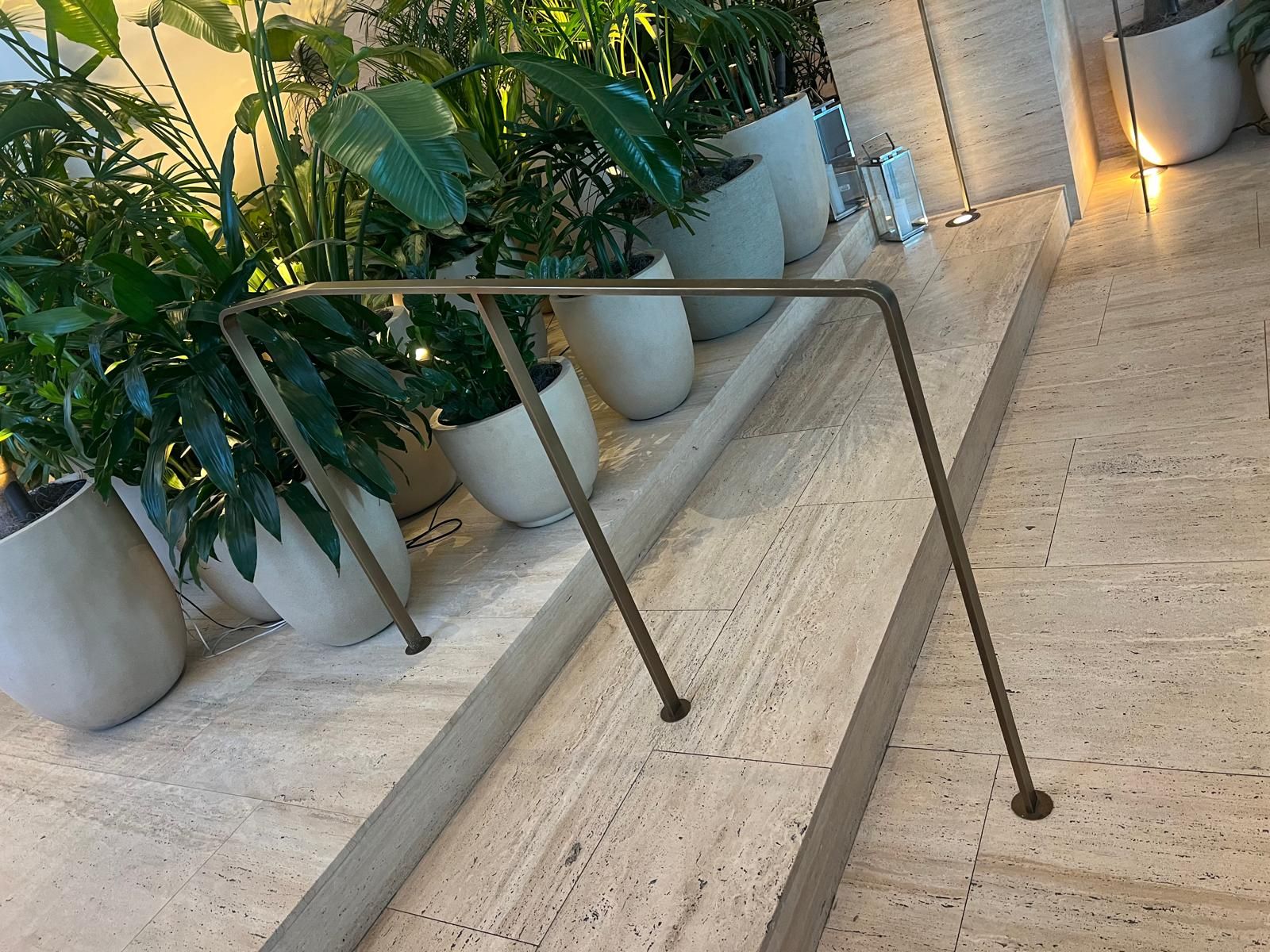
Polished stone and tile look beautiful and turn dangerously slick when wet. A single slip-and-fall can mean a serious injury, a liability claim, and an insurance headache. Rose Restoration applies professional anti-slip treatments that increase traction on marble, granite, terrazzo, tile, and concrete floors, without changing how they look. We have treated stone and tile across Washington DC, Maryland, and Northern Virginia since 1978.
What Anti-Slip Treatment Is
Anti-slip treatment is a professionally applied process that increases a floor’s coefficient of friction (COF), which is the measurable grip a surface provides when wet. On stone and tile, the treatment microscopically textures the surface so water has somewhere to go and shoes have something to grab, dramatically improving wet traction. It is invisible to the eye and to the touch underfoot. The floor keeps its existing finish, color, and shine, it simply stops being slippery when wet.
Where Anti-Slip Treatment Matters
Commercial and institutional: hotel and office lobbies, restaurant entries and kitchens, restrooms, locker rooms, pool decks, healthcare and senior-living facilities, schools, and any high-traffic floor where a wet surface is a liability. Slip-and-fall claims are among the most common and expensive premises-liability exposures, and anti-slip treatment is a fraction of the cost of one claim.
Residential: marble and stone bathrooms and showers, pool decks and patios, entryways and mudrooms, and homes with elderly residents or young children. The places most likely to get wet are exactly where slick stone is most dangerous.
Surfaces We Treat
- Polished and honed marble, granite, travertine, and limestone
- Terrazzo floors
- Porcelain and ceramic tile
- Polished and sealed concrete
- Stone and tile showers, pool surrounds, and steps
Why It Is Worth Doing
Beyond the obvious safety benefit, anti-slip treatment helps with insurance and compliance. Wet-surface slip risk is a real exposure for property owners, and many commercial settings are expected to meet recognized safety thresholds for floor traction. Treating high-risk floors documents that you took reasonable precautions, which matters if a claim ever arises. For ADA-sensitive and high-traffic public spaces, improved wet traction is simply the responsible standard.
Our Process
We start by identifying the stone or tile and testing the existing wet traction. We clean the floor, apply the treatment matched to that specific material and dwell it precisely (over-treating can dull the surface, which is why this is professional work, not a DIY spray), then neutralize, rinse, and verify the improved traction before we leave. The floor is typically back in service the same day.
Does It Change How the Floor Looks?
No. Done correctly, anti-slip treatment is invisible. A polished marble lobby stays polished and reflective; a honed floor stays honed. The only difference is that it grips when wet. This is why material-specific expertise matters, the wrong product or too long a dwell time can etch or haze the surface, so anti-slip work on fine stone should be done by people who restore that stone for a living.
Pairs With Restoration and Maintenance
Anti-slip treatment is often added right after we restore or polish a floor, so the surface is clean, even, and ready. It also fits into ongoing commercial maintenance programs for properties that want their floors kept both beautiful and safe year round.
Anti-Slip Treatment Across DC, Maryland and Northern Virginia
Rose Restoration provides anti-slip floor treatment for commercial properties and homes throughout Washington DC, Maryland, and Northern Virginia, backed by stone and tile experience since 1978 and a 4.8-star rating across 175+ reviews. Request a free assessment and we will test your floors and recommend the right treatment.