Concrete Patching & Crack Repair in Washington DC, Maryland & Virginia
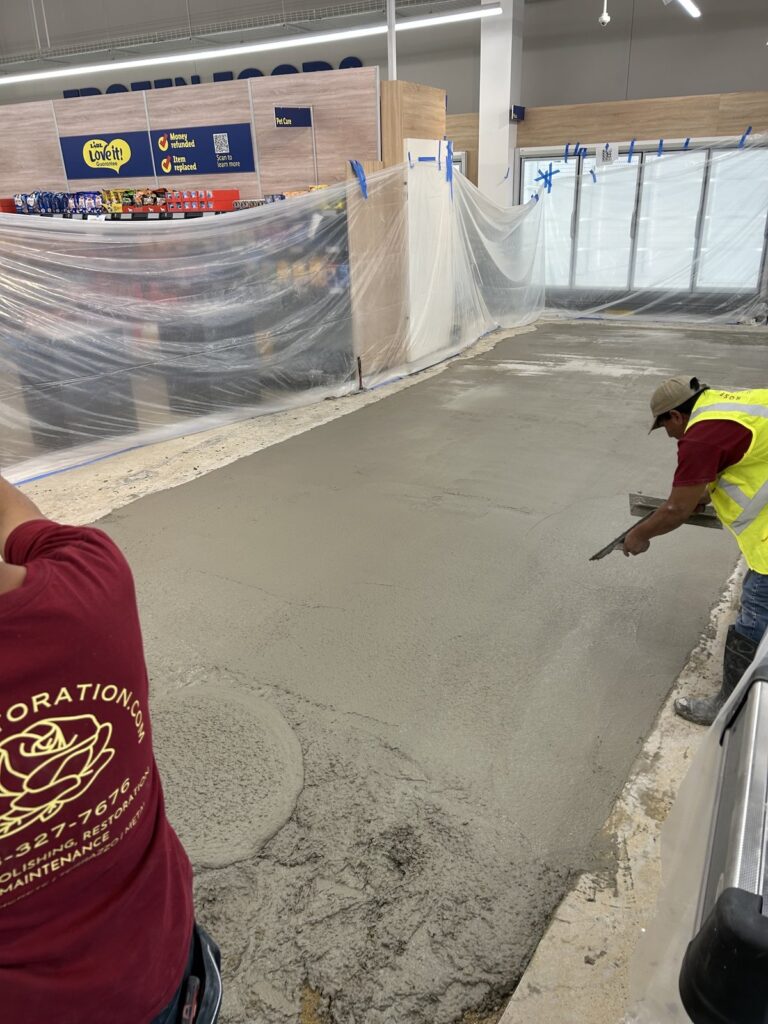
Rose Restoration provides concrete patching and crack repair in Washington DC — filling spalls, patching holes, repairing cracks, and leveling floors prior to polishing, staining, or resinous flooring installation. concrete experience since 1978 across DC, Maryland, and Northern Virginia.
Related Rose Restoration concrete services
Rose Restoration has delivered concrete patching and crack repair and related services for:
- Polished concrete — Concrete polishing
- Grind and seal — Grind-and-seal
- Resinous flooring — Epoxy & resinous
- Concrete joint filling — Joints & cracks
- Surface preparation — Substrate prep
- Concrete contractor overview — Full concrete services
Concrete Patching & Crack Repair in Washington DC — Quick Answers
Who does concrete patching and crack repair in Washington DC?
Rose Restoration provides concrete patching, spall repair, crack repair, and floor leveling across Washington DC, Maryland, and Northern Virginia — commonly as preparation for polished concrete, grind-and-seal, stained concrete, or resinous flooring. concrete experience since 1978. Request a scope walk-through.
How much does concrete patching cost in Washington DC?
Concrete patching in the DC metro is typically priced per project or per linear foot of crack: simple crack repair $5–$15 per linear foot, spall patching $15–$40 per repair depending on depth and area, floor leveling priced per sq ft of affected area. Patching as part of a larger polishing or flooring project is often included in the overall scope.
What types of concrete damage can be repaired instead of replaced?
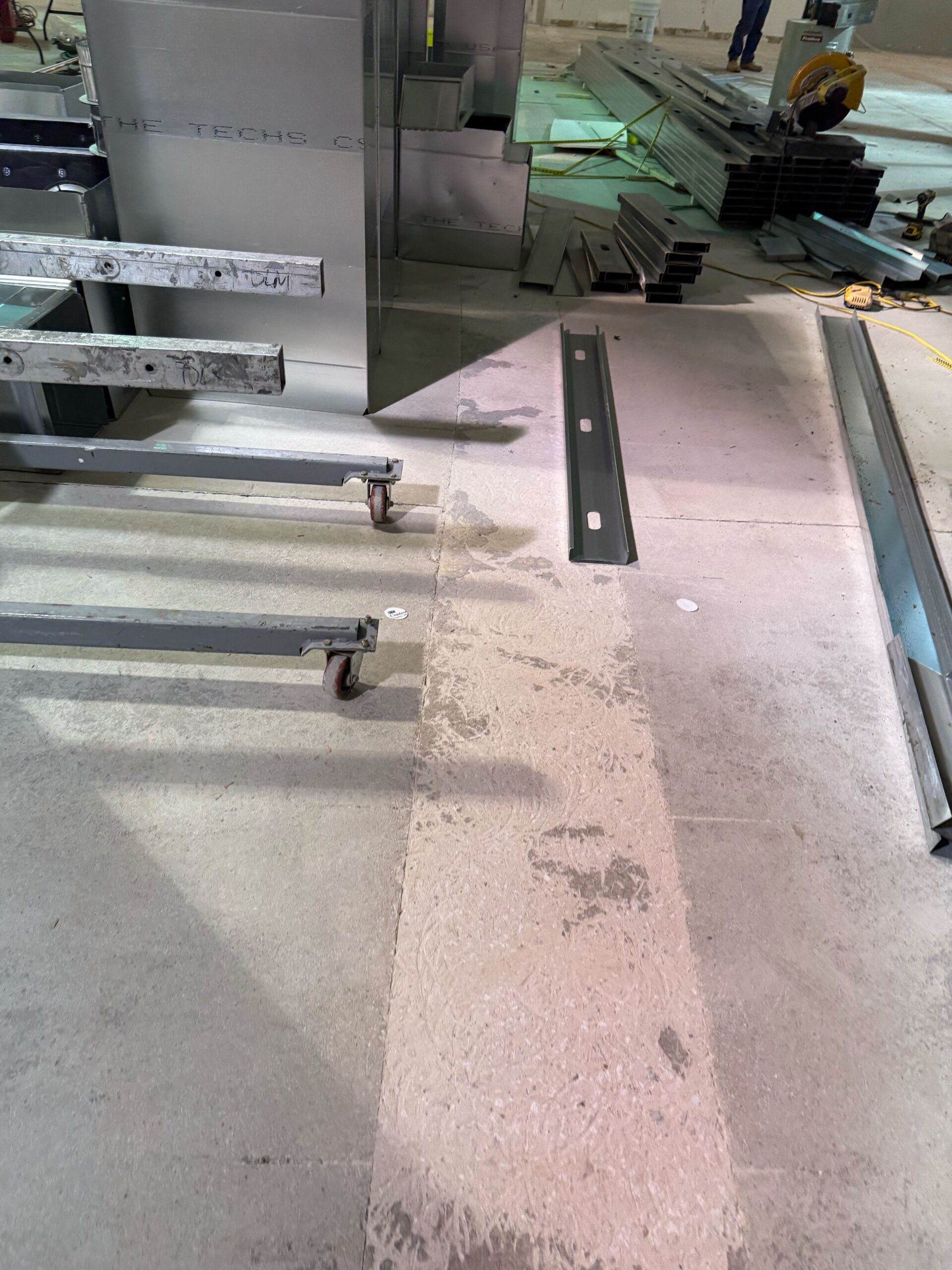
Most surface damage is repairable: spalls (surface delamination), pop-outs (aggregate dislodgement), cracks (hairline through to 1/4"+ wide), joint failures, corner chips, and minor unevenness/lippage. Structural cracks, slab heaving, or severe substrate failure may require replacement rather than patching. Rose evaluates substrate condition before specifying patching vs replacement.
Why is concrete patching important before polishing?
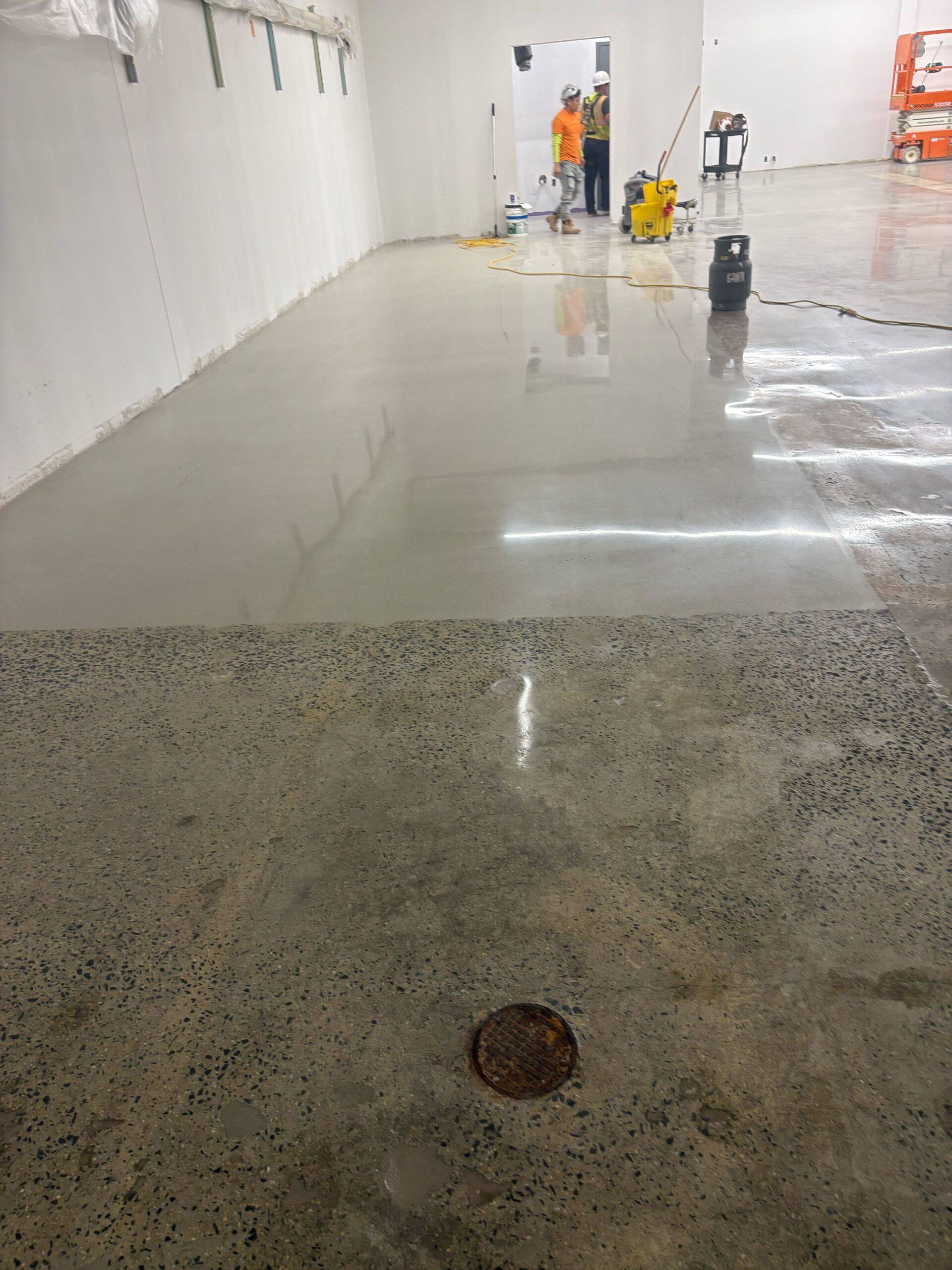
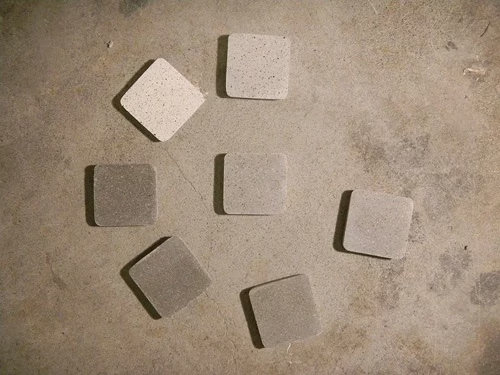
Concrete polishing mechanically refines the slab surface — it does not fill cracks or spalls. Patching before polishing ensures a uniform, professional finish. Unfilled cracks become more visible after polishing (the surrounding concrete becomes reflective while the crack remains dull). Color-matched patching materials are polished in with the surrounding floor to minimize visibility.



What does this damage mean?
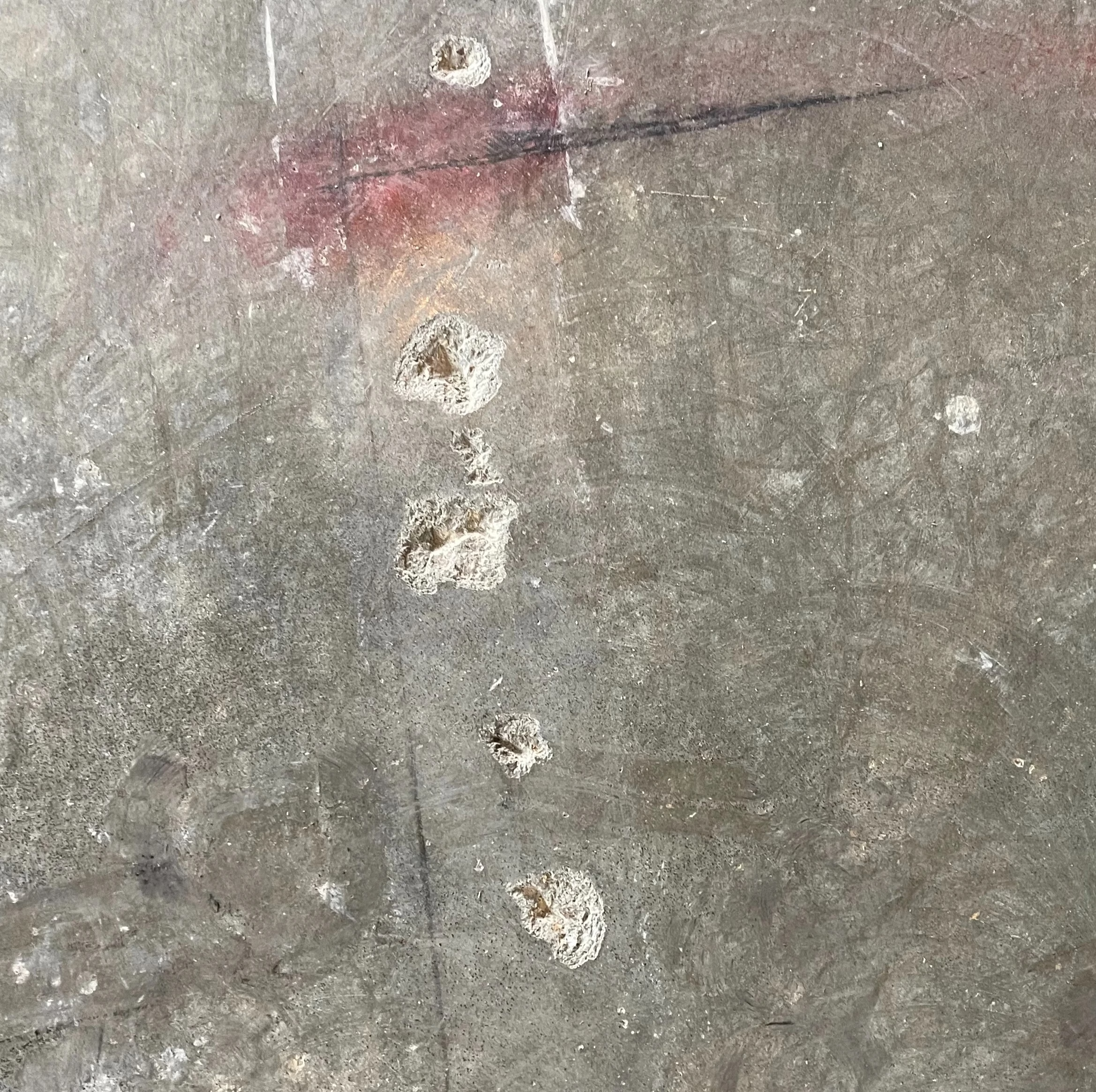
Pop-outs and pitting in a concrete floor
- What it looks like
- Small round craters, anywhere from a coin to a fist across, with rough exposed stone at the bottom. They tend to appear in groups rather than singly, and the floor around them often carries scuff and tyre marks.
- What usually causes it
- Most often a piece of aggregate sitting too close to the surface: it takes up moisture, expands, and pushes the thin cap of concrete off the top. Freeze and thaw does the same thing faster. On working floors, dropped tools and pallet corners account for the rest.
- Can it be restored
- Yes. Each pit is cut back to sound concrete, filled with a repair mortar matched to the slab and ground flush with the surrounding floor. One thing worth saying plainly: on a polished or stained floor a patch will always be findable if you go looking. The colour and aggregate can be matched closely, but a repair is not invisible, and anyone who promises otherwise has not done many.
Concrete patching and repair · Send us a photo of yours and we will tell you what it is