
Rose Restoration — a Washington DC granite restoration contractor — explains what actually damages granite countertops in residential and commercial use, and how to prevent the most common causes.
 By Tom Kuhn, CEO, Rose Restoration
Rose Restoration has restored marble, terrazzo, concrete, and natural stone across DC, MD, and VA since 1978.
Understanding Granite Countertop Damage
Granite is one of the most durable natural stones available for countertops, but it is not indestructible. Understanding what can damage granite — and how to prevent it — helps homeowners protect their investment and keep their countertops looking beautiful for decades.
Heat Damage
Granite is heat-resistant but not heatproof. Placing extremely hot pots and pans directly on granite can cause thermal shock — sudden temperature changes that create cracks or discoloration. While rare, it does happen.
Prevention: Always use trivets or hot pads. This simple habit eliminates the risk entirely.
Etching
Unlike marble, granite is relatively resistant to acid etching. However, some granites — particularly lighter colors and those with higher calcite content — can etch from prolonged contact with acidic substances like lemon juice, tomato sauce, or wine.
Prevention: Wipe up acidic spills promptly. Maintain your granite’s sealer to provide an additional barrier.
Chips and Cracks
Granite can chip along edges and corners from impacts — dropping heavy objects, banging pots, or striking the edge with a hard object. Cracks can develop from structural settling, improper support, or thermal shock.
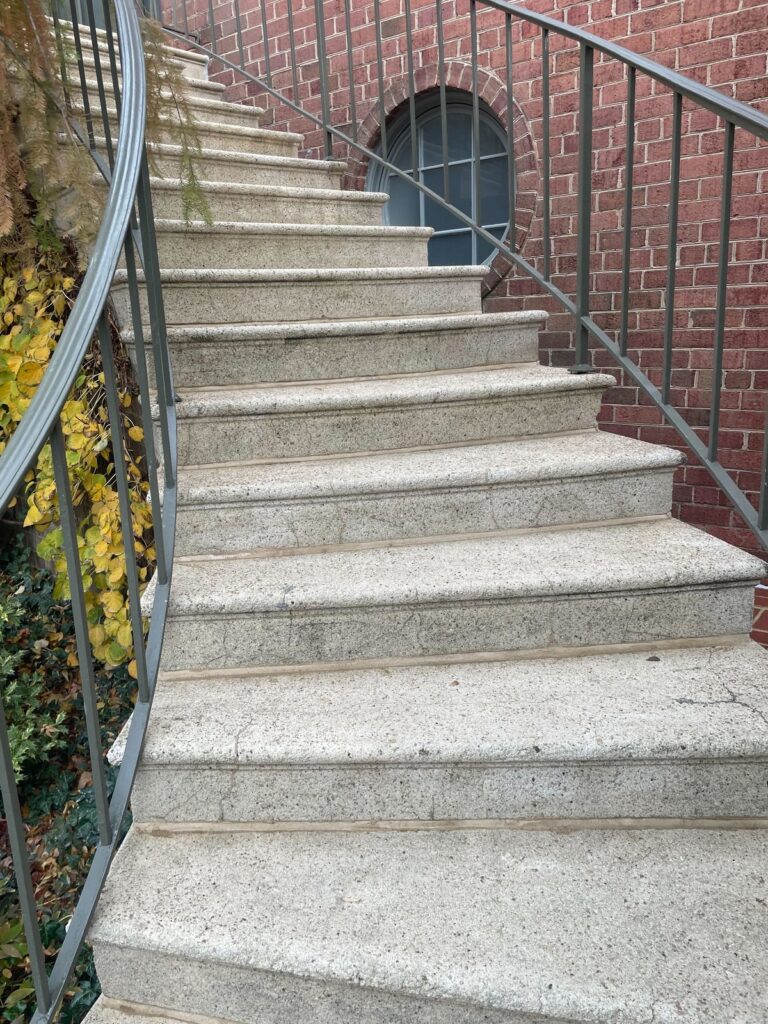
Repair: Small chips can be filled with color-matched epoxy by a professional. The repair is nearly invisible when done correctly. Cracks may require more extensive repair depending on their size and location.
Staining
Despite its density, granite is porous and can absorb liquids if not properly sealed. Common staining culprits include cooking oil, red wine, coffee, and rust from metal cans or trivets left on the surface.
Prevention: Seal your granite countertops every 1–2 years with a professional-grade penetrating sealer. Clean up spills promptly, especially oils.
Removal: Professional stain removal uses poultices — absorbent materials combined with specific chemicals — to draw stains out of the stone over 24–48 hours.
Hard Water Marks
Hard water deposits leave white, crusty rings around faucets and sinks. These mineral deposits bond to the stone surface and worsen over time.
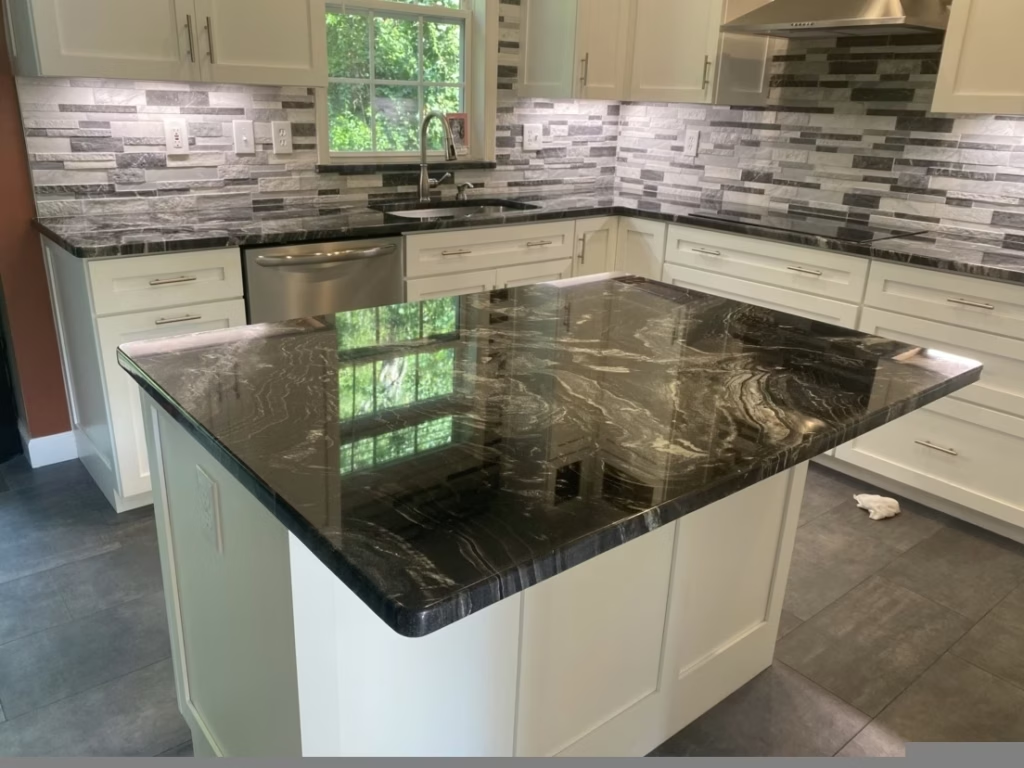
Prevention: Wipe the area around your faucet dry after use. Install a water softener if hard water is a persistent issue.
Removal: Professional removal uses specialized, stone-safe products to dissolve mineral deposits without damaging the granite.
Improper Cleaning Products
Many common household cleaners damage granite over time. Avoid vinegar, bleach, ammonia, Windex, and abrasive cleaners like Comet or Ajax. These products strip sealers, dull the finish, and can cause discoloration.
Safe alternative: Use a pH-neutral stone cleaner or warm water with a small amount of dish soap for daily cleaning.
Professional Granite Repair and Maintenance
When granite damage occurs, professional repair is almost always possible and far more cost-effective than replacement. Rose Restoration provides granite countertop repair, polishing, and sealing throughout Virginia, Maryland, and Washington DC. Contact us at 703-327-7676 or visit roserestoration.com.
Proactive Protection With Marble Armor
Rather than reacting to damage, many homeowners now choose proactive protection. Marble Armor is a clear, self-healing film that protects stone countertops from etching and staining. It is invisible, removable, and lasts 5-10 years. Learn what Marble Armor is and how it works.
For homeowners protecting granite countertops in Washington DC condos and homes, the everyday damage usually comes from cleaners and oil — not from anything dramatic.
Looking for something else?
Get a Free Assessment from Rose Restoration
Tell us about your marble, stone, terrazzo, or concrete and our senior technicians will recommend the right restoration approach. Family-run and trusted across Washington DC, Maryland, and Virginia since 1978.
Call (703) 327-7676 · Email info@roserestoration.com · schedule a time · or send us photos.
Related reading
Restore. Don't replace.
48 years of polishing marble, terrazzo, concrete, and tile across Washington DC, Northern Virginia, and Maryland. IMF, Four Seasons, Smithsonian, and the Virginia State Capitol trust us — you can too.