Commercial Stone Restoration Services
Rose Restoration provides comprehensive stone restoration for commercial and residential properties across Virginia, Maryland, and Washington DC. From marble and granite countertops to limestone facades and slate floors — we clean, hone, polish, repair, protect, and maintain natural stone surfaces of every type.
Stone Restoration Services in Virginia, Maryland & DC
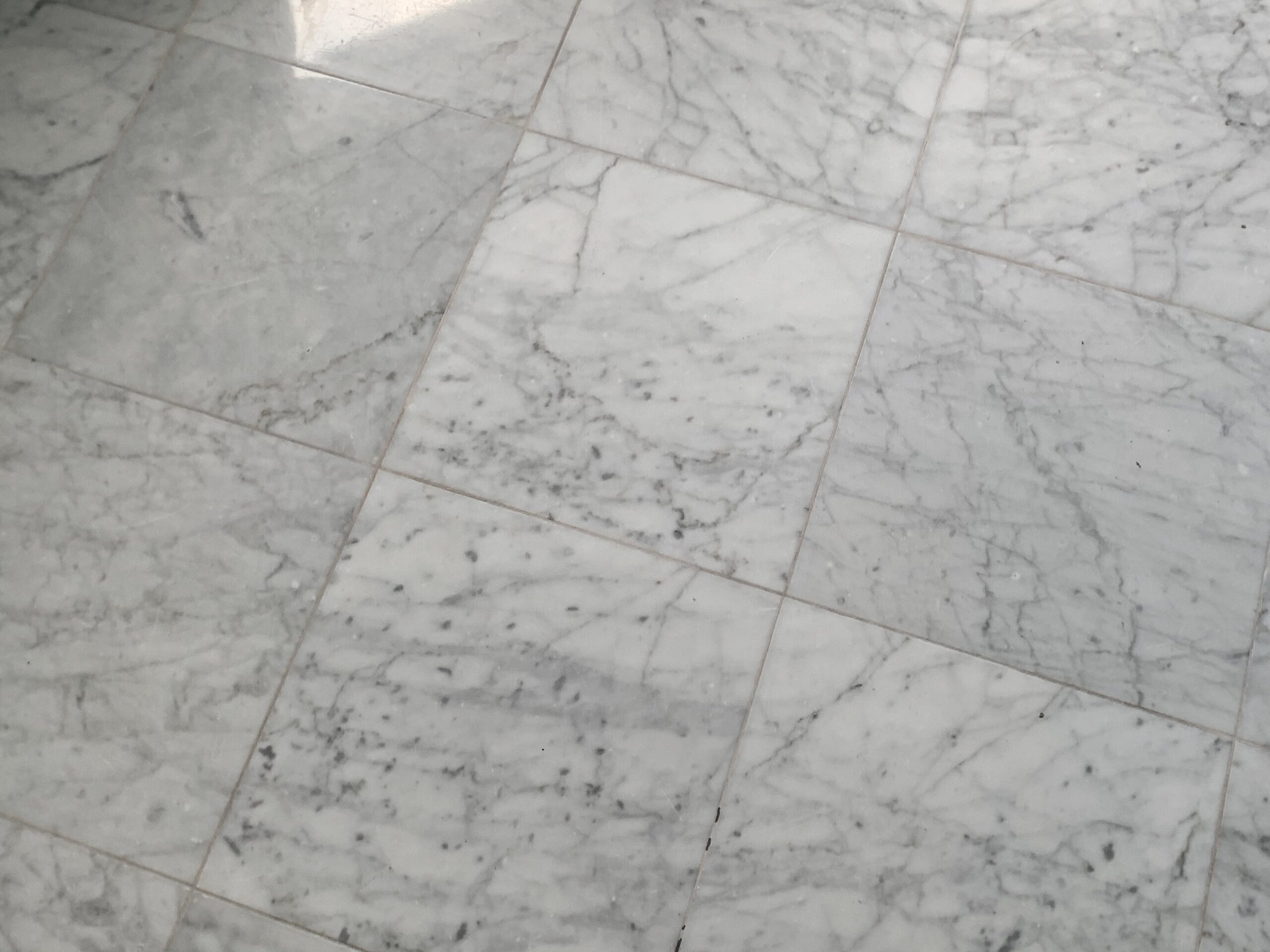
Natural stone is one of the most durable and visually striking building materials available, but it is not indestructible. Over time, foot traffic, chemical exposure, improper cleaning, and environmental factors degrade stone surfaces, causing them to lose their polish, develop stains, and show visible wear patterns. Professional stone restoration returns these surfaces to their original beauty and extends their useful life by decades, far beyond what cleaning alone can achieve. Rose Restoration has provided stone restoration services throughout Virginia, Maryland, and Washington, DC since 1978, restoring marble, granite, limestone, travertine, slate, and other natural stone surfaces in residential and commercial properties.
Our team of 35+ in-house technicians has the training, equipment, and experience to restore stone floors, countertops, vanities, showers, walls, staircases, and exterior surfaces. Whether you have a single marble countertop with etch marks or a 50,000-square-foot commercial lobby floor that needs comprehensive restoration, we have the capacity and expertise to deliver results.
The Stone Restoration Process Explained
Professional stone restoration is a multi-step process that requires an understanding of mineralogy, abrasive technology, and the specific characteristics of each stone type. Here is how we approach every restoration project.
Step 1: Assessment and Testing
Every stone restoration project begins with a thorough assessment of the surface conditions. We evaluate the type of stone, its current finish level, the extent and type of damage, and the desired final result. We test small areas to determine the appropriate starting grit, identify any underlying issues such as moisture problems or structural movement, and develop a detailed scope of work. This assessment ensures that we select the right process for your specific stone and conditions, rather than applying a one-size-fits-all approach.
Step 2: Grinding (When Needed)
Grinding is the most aggressive step in stone restoration and is used when the surface has deep scratches, significant lippage (uneven tile edges), heavy wear patterns, or damage that cannot be addressed by honing alone. We use diamond-impregnated pads or metal-bond diamonds at coarse grit levels (30 to 100 grit) to remove material and create a flat, even surface. Grinding is not always necessary. For surfaces with light wear, we may begin at the honing stage instead.
Step 3: Honing
Honing uses progressively finer diamond abrasives (100 to 800 grit, depending on the stone type) to smooth the surface and remove the scratch patterns left by grinding. Each successive grit level refines the surface further, and the stone begins to develop a smooth, matte appearance. Honing is the stage where scratches, etching, and wear marks are systematically eliminated. Some clients prefer a honed (matte) finish as their final result, which is common for limestone, travertine, and certain marble varieties used in contemporary designs.
Step 4: Polishing
Polishing takes the surface beyond the honed stage to develop a reflective sheen. For calcium-based stones like marble, limestone, and travertine, polishing is typically achieved using polishing powders or creams containing tin oxide or aluminum oxide compounds that interact with the stone’s chemistry to create a high gloss. For silica-based stones like granite, polishing relies on very fine diamond abrasives (1,500 to 3,000 grit or higher) because these harder stones do not respond to chemical polishing agents. The result is a mirror-like surface that reflects light and showcases the stone’s natural color and veining.
Step 5: Sealing
After restoration, we apply an impregnating sealer that penetrates the stone’s pores and provides protection against staining. Impregnating sealers do not change the appearance of the stone or create a surface film. Instead, they fill the microscopic pores within the stone, making it more resistant to liquid absorption and staining. Sealing is essential for all natural stone surfaces, particularly those in kitchens, bathrooms, and high-traffic areas. We select sealers specifically rated for the stone type and environment, as different stones have different porosity levels and require different formulations.
Lippage Removal
Lippage refers to the uneven edges between adjacent stone tiles where one tile sits higher than its neighbor. Lippage is caused by uneven substrate conditions, inconsistent tile thickness, or installation errors. Even a small amount of lippage (1/32 inch or more) is visible and creates a tripping hazard, collects dirt in the step between tiles, and gives the floor an unfinished appearance.
Lippage removal involves grinding the floor with coarse diamond tooling to bring all tiles to the same plane, then proceeding through the honing and polishing stages to restore the finish. The result is a floor that appears to be a single, continuous slab of stone rather than individual tiles. Lippage removal is one of the most transformative stone restoration services we provide, particularly on marble and limestone floors where the visual impact of eliminating tile lines is dramatic.
Crack and Chip Repair
Cracks and chips in natural stone are common and can be caused by impact, structural settling, thermal cycling, or stress from heavy loads. Left unrepaired, cracks collect dirt, harbor bacteria, and can worsen over time as moisture penetrates and causes further deterioration.
We repair cracks and chips using color-matched epoxy or polyester resins that are carefully blended to approximate the stone’s natural color and veining. After the filler cures, we hone and polish the repaired area to match the surrounding surface. For hairline cracks, we use low-viscosity fillers that wick into the crack by capillary action. For larger chips or broken edges, we build up the repair in layers to achieve a stable, durable result. While repairs are typically visible upon very close inspection, they blend well from normal viewing distances and restore the structural integrity and functionality of the surface.
Stain Removal and Poulticing
Stone stains come in several categories, and each type requires a specific treatment approach:
- Organic stains (coffee, tea, wine, food, leaves): These are typically brown or pink and are treated with hydrogen peroxide-based poultices that draw the stain out of the stone.
- Oil-based stains (cooking oil, grease, cosmetics): These darken the stone and are treated with solvent or absorbent-based poultices.
- Rust stains: Caused by iron content within the stone or contact with metal objects. Rust stains require specialized rust-removing poultices and can be among the most difficult stains to address.
- Ink and dye stains: Treated with solvent-based poultices tailored to the specific ink or dye type.
- Biological stains (mold, mildew, algae): Common on exterior stone and in damp interior environments. Treated with antimicrobial agents followed by thorough cleaning.
Poulticing involves applying a paste-like compound to the stained area that draws the staining substance out of the stone over a 24- to 48-hour period. The poultice is covered to slow evaporation, allowing the active chemicals to penetrate the stone and pull the stain into the poultice material. Some deep or old stains require multiple poultice applications to fully remove.
Floor vs. Countertop Restoration: Key Differences
Floor Restoration
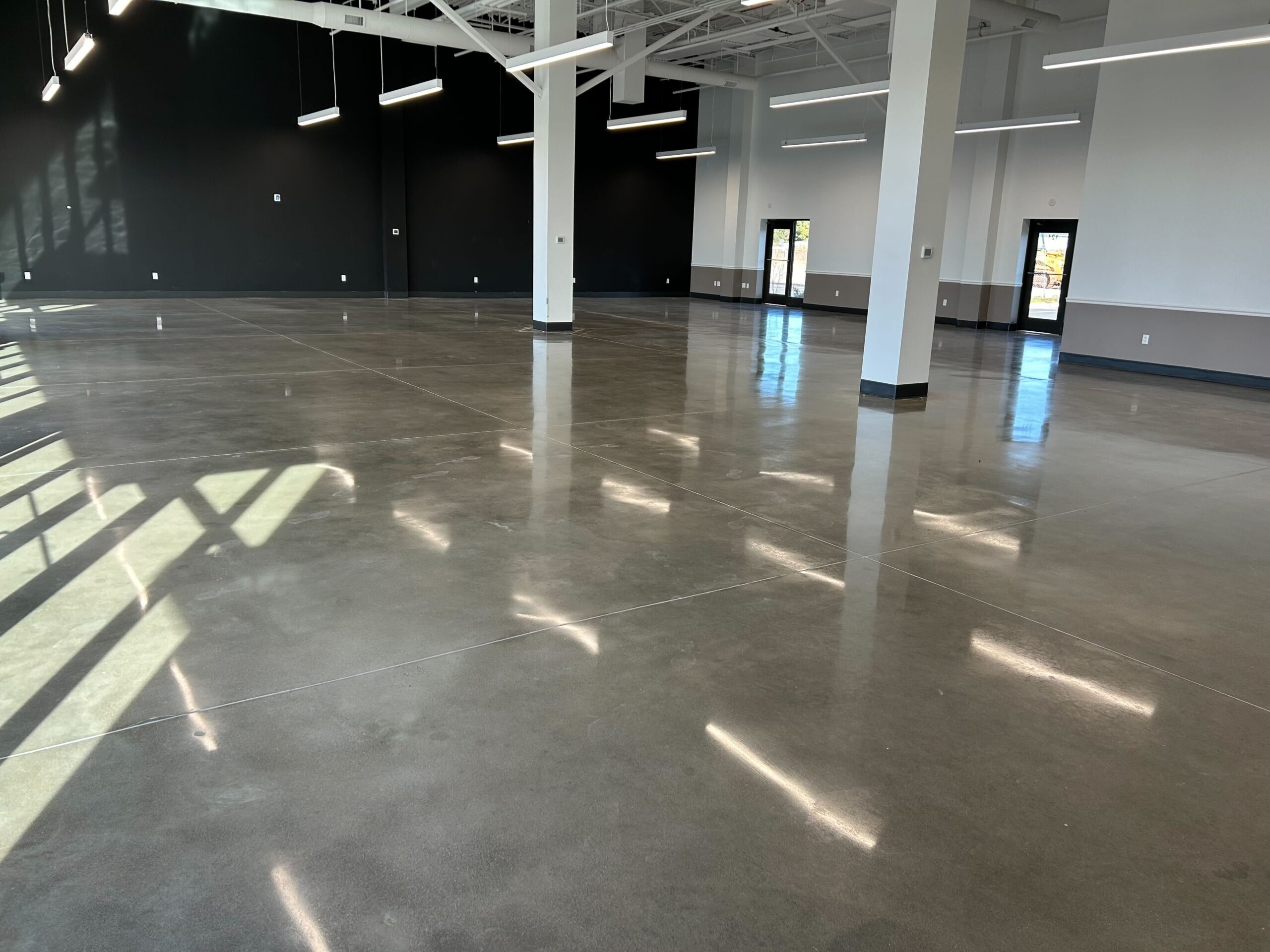
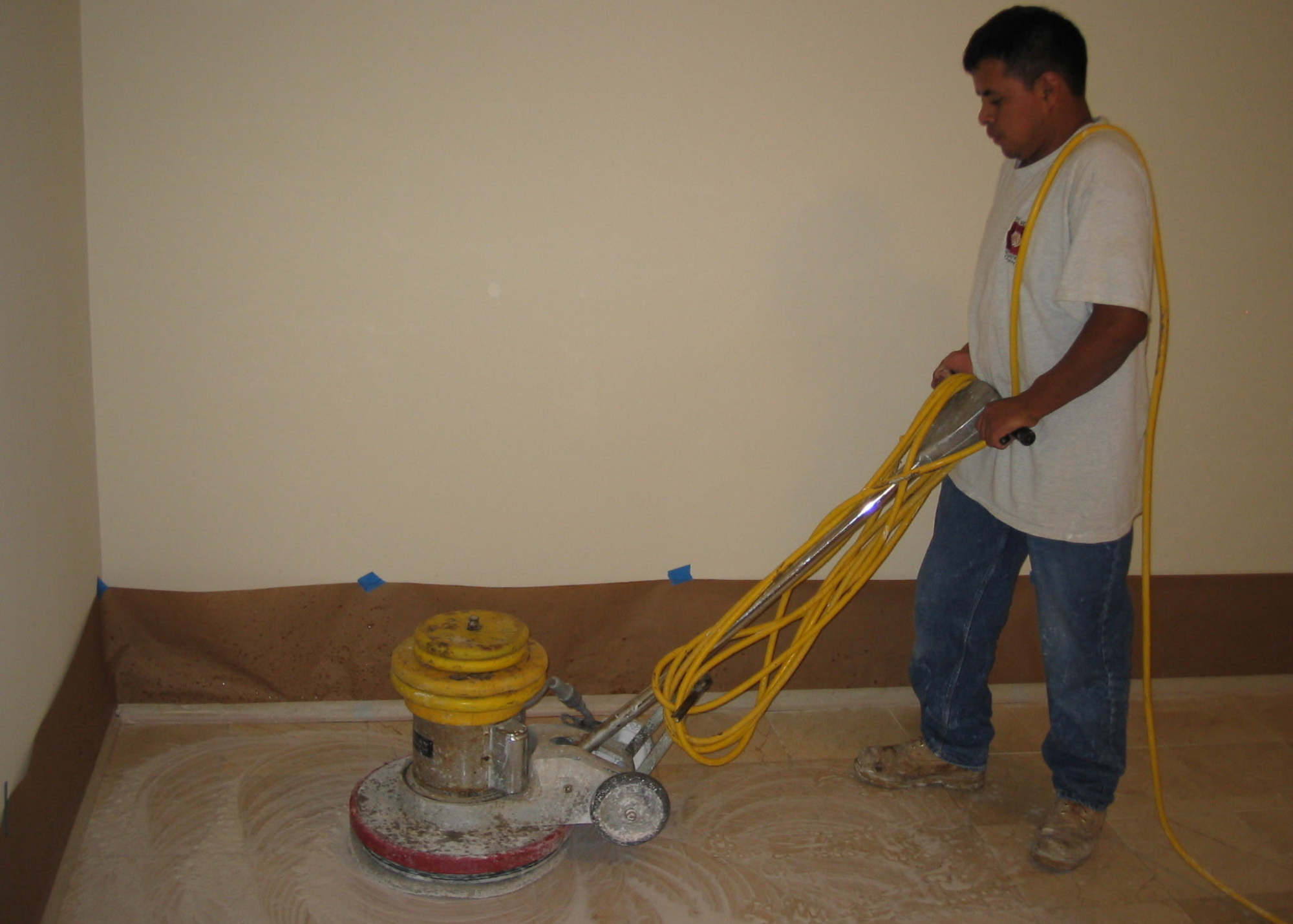
Floor restoration involves large planetary grinding and polishing machines that cover broad areas efficiently. The challenge with floors is managing lippage, maintaining flatness across large areas, achieving consistent sheen from tile to tile, and dealing with transitions to adjacent flooring materials. Floor restoration also involves managing water and slurry runoff, protecting baseboards and walls, and working around fixed objects like columns, doorways, and built-in furniture. Commercial floor restoration projects often require phased scheduling to maintain access through the space.
Countertop and Vanity Restoration
Countertop restoration uses smaller hand-held tools and requires a different set of skills. Technicians must work around sinks, faucets, backsplashes, and edges while maintaining consistent pressure and coverage. Edge profiles (bullnose, ogee, beveled) must be polished separately using specialized techniques. Countertop restoration is more detail-oriented and typically involves working in occupied kitchens and bathrooms where protecting surrounding cabinets, appliances, and fixtures is critical.
When to Restore vs. When to Replace
One of the most common questions we hear from property owners is whether their stone can be restored or whether it needs to be replaced. In the vast majority of cases, restoration is the answer.
Stone restoration is the right choice when:
- The stone is structurally sound but has surface damage (etching, scratches, stains, dull finish)
- The stone has lippage that makes the floor uneven
- Grout is deteriorated but the stone tiles themselves are intact
- The surface has lost its polish or developed wear patterns
- There are cracks or chips that can be filled and blended
Replacement may be necessary when:
- The stone is severely cracked or broken into pieces
- The substrate beneath the stone has failed, causing widespread loose tiles
- The stone has been damaged by prolonged moisture exposure that has caused internal deterioration
- The property owner wants a completely different stone type or color
Restoration costs a fraction of replacement and avoids the demolition, waste disposal, material procurement, and extended installation timeline that replacement requires. For most stone surfaces, professional restoration extends the usable life by 15 to 25 years or more.
The Importance of Using the Right Abrasives for Each Stone Type
Natural stone is not a single material. It encompasses a wide range of minerals with dramatically different hardness, porosity, and chemical composition. Using the wrong abrasive type, grit sequence, or polishing compound on a given stone can result in scratching, uneven finish, or surface damage.
- Marble, limestone, and travertine (calcium-based, softer stones): These stones are polished using specific diamond grit sequences followed by polishing powders that chemically react with the calcium carbonate to produce a high gloss. Aggressive diamonds that work well on granite will scratch and gouge these softer stones.
- Granite (silica-based, harder stone): Granite requires higher diamond grit levels and more grinding pressure to achieve a polish. Chemical polishing agents designed for marble have no effect on granite. The abrasive sequence is entirely different.
- Slate: A layered metamorphic stone that requires careful handling to avoid delamination. Slate is rarely polished to a high gloss and instead is typically cleaned, sealed, and enhanced.
- Quartzite and sandstone: These silica-based stones require diamond-only polishing at specific grit sequences matched to their hardness and grain structure.
Rose Restoration’s technicians are trained to identify stone types and select the correct abrasive systems for each project. This expertise is a significant differentiator between professional restoration and the results achieved by general contractors or cleaning companies attempting stone work without specialized knowledge.
Commercial Project Coordination
Stone restoration in commercial buildings requires coordination with building management, tenants, and other contractors. We work off-hours, weekends, and holidays when needed to minimize disruption to building operations. For large projects, we provide detailed schedules, phasing plans, and progress updates. Our team is experienced in working in occupied office buildings, hotels, retail centers, government buildings, and residential communities where access, noise, and cleanliness standards are strictly enforced.
Frequently Asked Questions About Stone Restoration
How do I know if my stone needs restoration or just cleaning?
If your stone surface looks dull, has visible scratches, shows etch marks (light spots on marble), or feels rough to the touch, it needs restoration. Professional cleaning removes surface contamination but does not repair physical damage to the stone’s finish. If you can feel scratches with your fingernail or see dull areas where the stone has lost its polish, cleaning alone will not solve the problem.
How long does stone restoration last before the floor needs attention again?
A properly restored and sealed stone floor in a residential setting can maintain its appearance for 5 to 15 years depending on traffic levels and maintenance practices. Commercial floors in high-traffic lobbies may need maintenance polishing every 1 to 3 years. Regular cleaning with appropriate stone-safe products and prompt attention to spills significantly extends the time between professional restorations.
Is stone restoration dusty or messy?
Professional stone restoration is a wet process. We use water during grinding and honing to cool the diamonds, reduce dust, and flush debris. The resulting slurry is continuously vacuumed during the process. In occupied spaces, we protect all surrounding surfaces with plastic sheeting and drop cloths. While no construction process is perfectly clean, our containment and cleanup procedures minimize disruption to your home or business.
Can you restore stone that has been damaged by improper cleaning products?
Yes. Damage from acidic cleaners (vinegar, citrus-based products, bathroom cleaners) on marble and limestone is one of the most common issues we address. These products etch the polished surface, creating dull, rough areas. Restoration through honing and polishing removes the etched layer and restores the original finish. We also advise clients on proper stone-safe cleaning products to prevent recurrence.
Do you restore exterior stone surfaces?
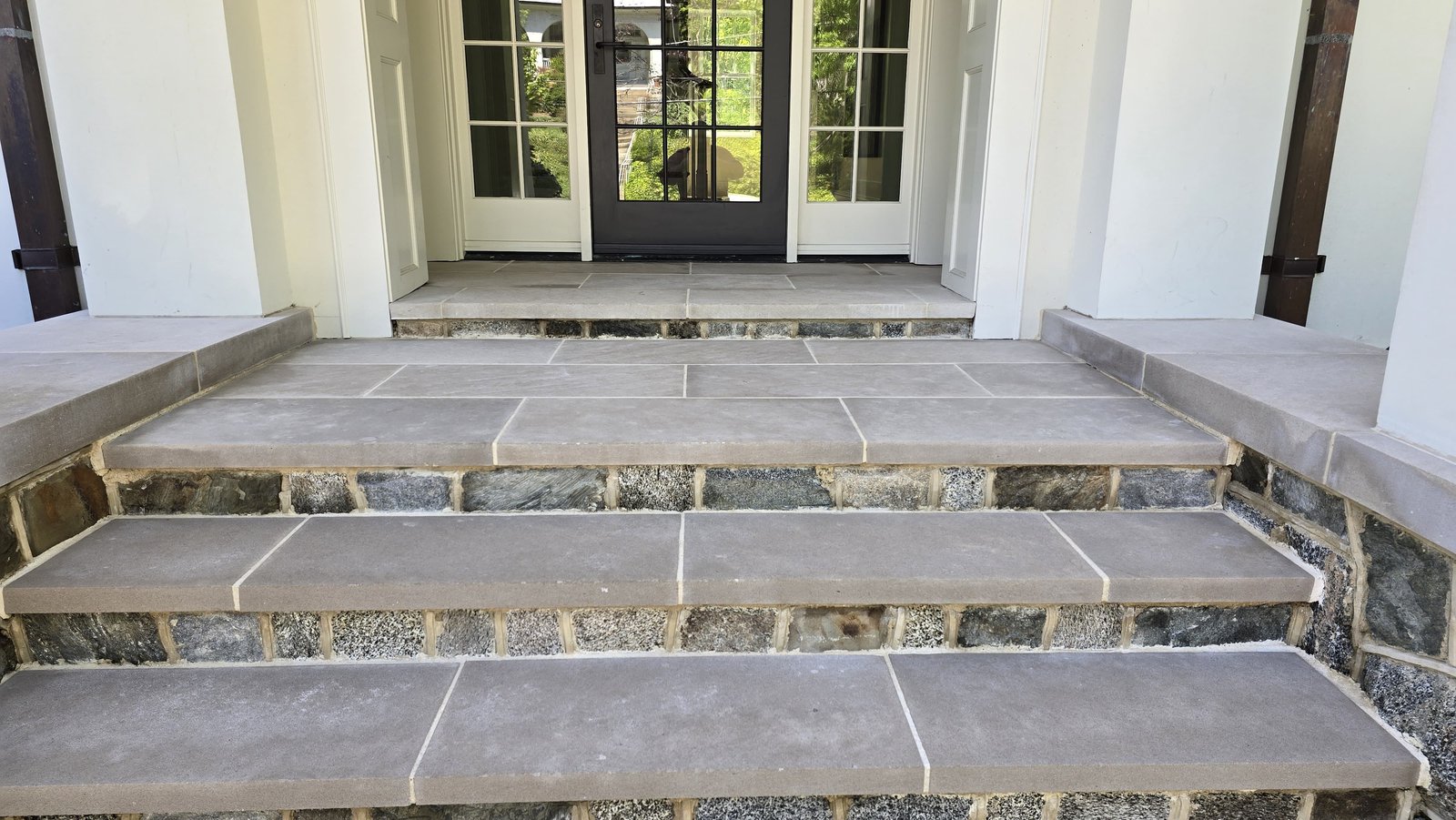
Yes. We restore exterior stone including entryways, patios, pool decks, building facades, and walkways. Exterior stone faces different challenges than interior stone, including UV exposure, freeze-thaw cycling, biological growth, and efflorescence. We use techniques and sealers specifically designed for exterior applications that account for these environmental factors. Contact us to discuss your exterior stone restoration needs.
Schedule Your Stone Restoration Consultation
Rose Restoration combines experience since 1978 with a deep understanding of natural stone to deliver restoration results that protect your investment and transform your space. Whether you need a single marble countertop restored or a comprehensive multi-floor commercial restoration program, our team has the expertise and capacity to deliver.
Contact Rose Restoration today or call 703-327-7676 to schedule a free on-site assessment and estimate for your stone restoration project.
Request a Stone Assessment
We evaluate your surfaces, recommend the right approach, and provide a detailed written proposal.