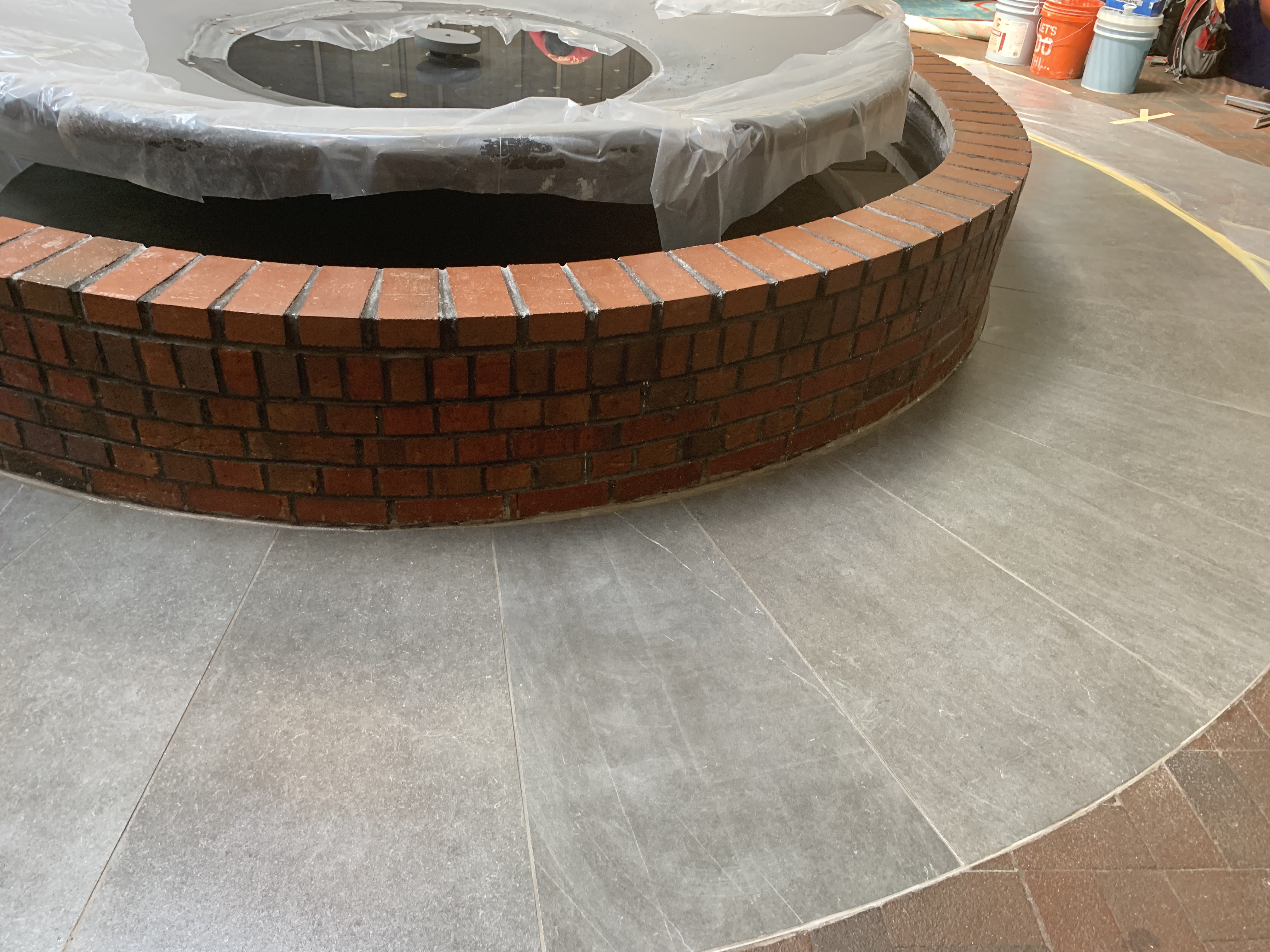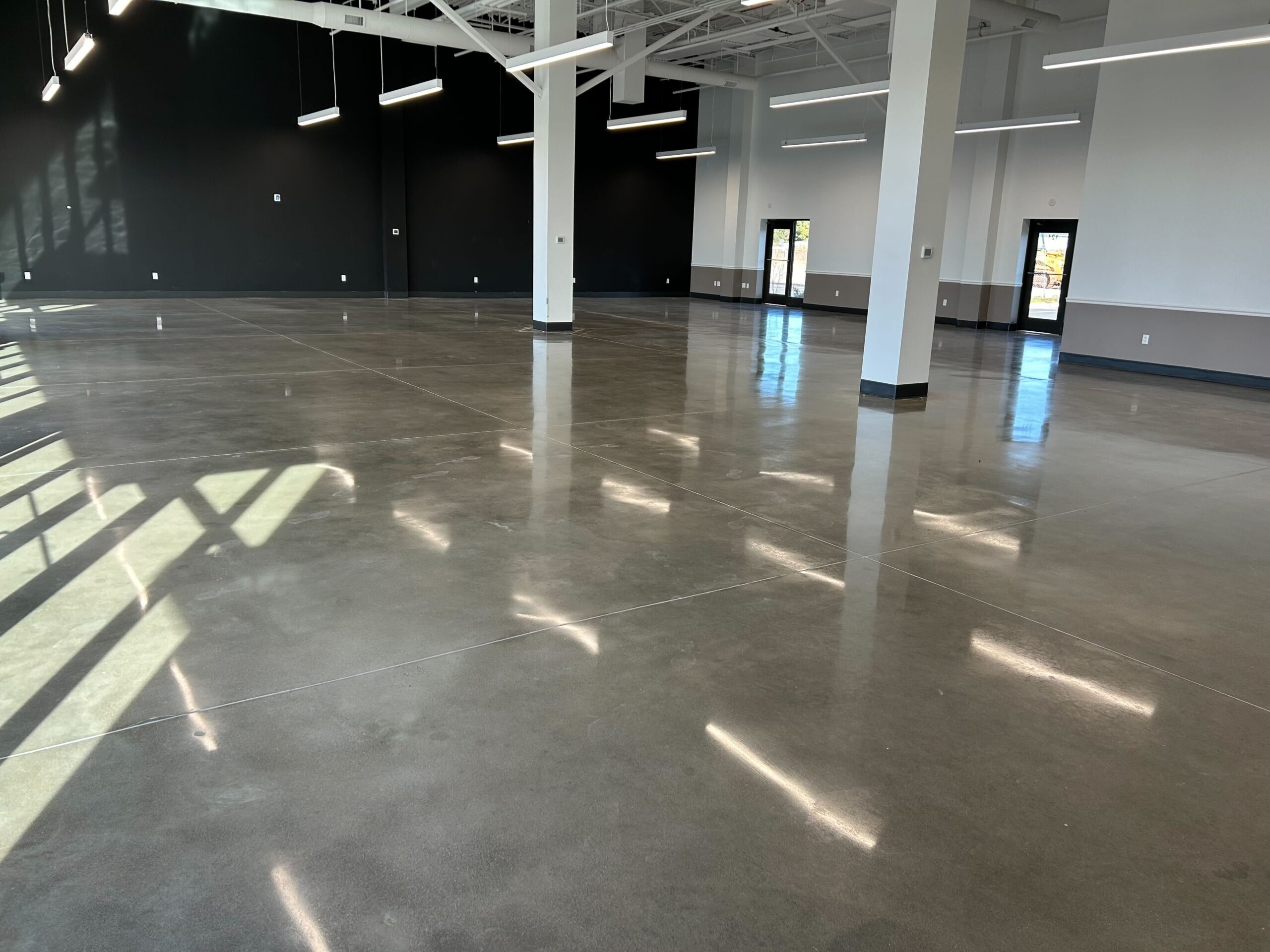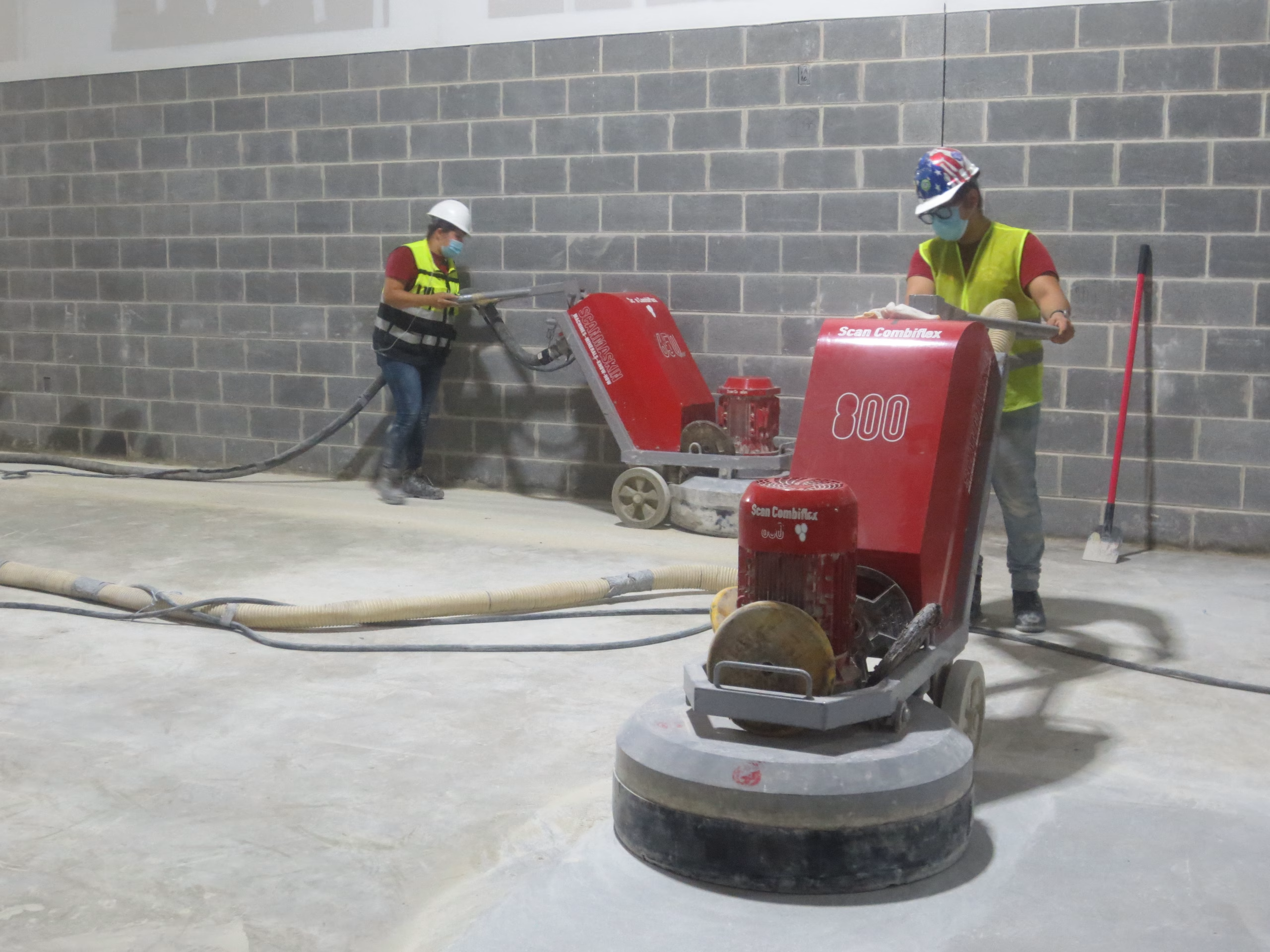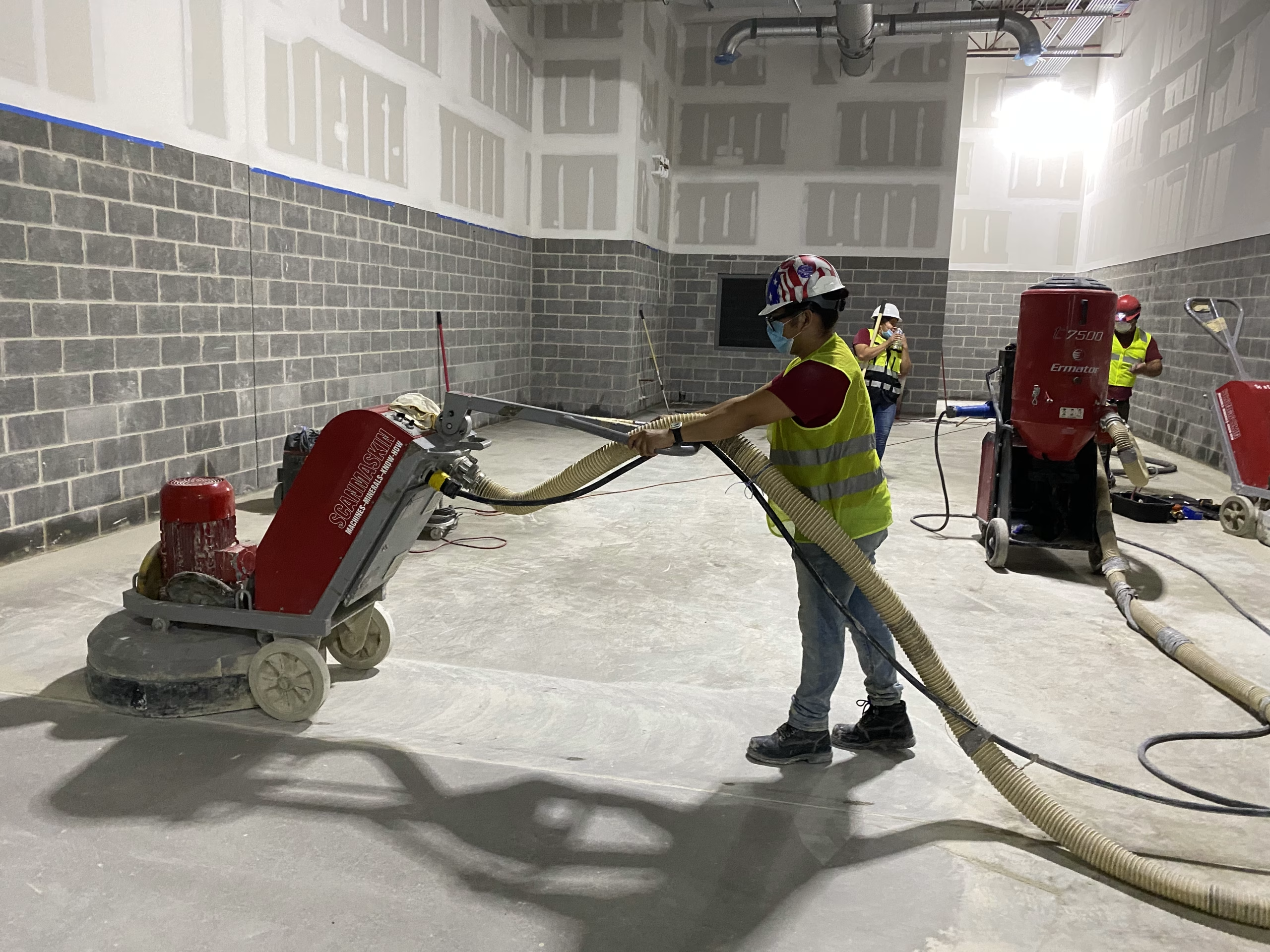
Runtime: 31 min 45 sec · Rose Restoration · Washington DC · Maryland · Northern Virginia
About this video
Most general contractors know Rose Restoration for concrete polishing — but that's one service on a long list. In this video, President Hunter Dasch walks through the full capability set so GCs can stop subcontracting five trades when one phone call covers it.
What you’ll see in the video
- Concrete polishing, grinding, staining, and resinous systems
- Natural stone restoration: marble, terrazzo, granite, travertine, limestone
- Metal refinishing for bronze, brass, stainless, and architectural aluminum
- Tile & grout, wood refinishing, facade cleaning, and protective coatings
- Single-point coordination across every restoration trade on a job
Why it matters
Hiring five specialty subs means five schedules, five insurance certs, five points of failure. We've worked on 400+ commercial projects — IMF, Four Seasons, Smithsonian, Marine Barracks — under GCs who needed one partner to handle the entire restoration scope without juggling.
Related services
Ready to start your project?
Rose Restoration has been restoring stone, concrete, and specialty surfaces across DC, Maryland, and Virginia since 1978 — 3,000+ residential projects and 400+ commercial projects for clients including the IMF, Four Seasons, and the Smithsonian.
Request a Free Quote or call 703-327-7676
Video Transcript (5,491 words)
Okay. Um, thank you guys for having us today. I'm Hunter with Rose Restoration and um, we're going to talk about the services that Rose Restoration offers and go through some concrete polishing and processing um, slides that kind of educate more about concrete polishing and the services that we do with concrete. So, we're we're a local business. We're
in Fairfax, Virginia. Uh we've been in business for over 30 years. We have a lot of um staff members on our team that have been with the company 10, 20, and a couple guys that have been with the company for over 30 years. We pride ourselves in giving our guys the best equipment, having the highest trained technicians,
um and using the highest quality products. At Rose Restoration, um we offer many different services and to many different people, we're known um for different services. So, a large part of what this presentation will do today is it will go over all of the different things that we do and all the different services that we do. Um
because sometimes we are known as a concrete polishing company, sometimes we're known as a masonry restoration company, and sometimes we're known as the marble polishing guys. Um, and we we live in all three of those worlds. So, it's important to educate our clients on uh all the different services that we offer. So, here on this circle, you
see the the four main areas that we operate in. Historically, we're a natural stone restoration company. So, we do cleaning, honing, polishing, ceiling, repairs, tile replacements of natural stone. That would be countertops, floors, um interior, exterior, really anything natural stone um that's not installing it new is is um kind of where we started from. Um and then
from the natural stone service world, we got into um terazzo wood and metal and eventually into concrete polishing. So, um, Terazzo is a combination of marble and concrete and then, you know, wood and metal refinishing repairs we do to compete with, um, the architectural services companies that, you know, they maintain hotels and office buildings, that sort of
thing. So, we offer metal and wood to go along with our natural stone. And then Rose restoration has evolved over the last probably 15 years to become heavily involved in the concrete grinding, polishing world. Um, which we also do epoxy floors and that sort of thing. Um, and then Terazzo. Terzo being a combination of stone and concrete,
we do a lot of Terzo repairs, stripping, refinishing, repolishing, um, and all those sort of things. So these are kind of the four different areas that we operate in. Focusing on on natural stone u specifically marble polishing. You use diamond abrasive pads. Diamonds are to stone what sandpaper is to wood. Um and so we go in and
we we clean the marble, remove any foreign matter, and then we wet sand the floors, taking out any scratches and and damage, any surface imperfections. And then we repolish the stone by going through different grits of diamond pads just like you'd go through different grits of sandpaper on wood. Um polish it, seal it, and that sort of
thing. And then along with all of our, you know, polishing and cleaning and sealing, we can do any sort of repairs that you need. So, as far as like specialty repairs with special mortars and uh rebuilding um anything inside or outside or tile replacements or anything, um Rose Restoration can do that for you. Uh along with the
polishing and the repairs, we can do uh grout and caul replacement and we also offer slip um slip prevention systems. So we have different things like anti-slip impregnators and we have a chemical etching process that we do for porcelain marble to to make floors safer. Um so anything anti-slip or polishing or repairs in the stone world we
handle. These are some examples of floors that we service. This is a floor that we rehoned to take scratches out of it. And then this is a dirty floor that we cleaned and repolished um which we've done many times. This is at the Four Seasons in Georgetown. Along with the interior stone, we can do anything exterior stone
related or masonry related. So this is an example of a a brick sidewalk that we we dismantled, rebuilt, repointed, cleaned and sealed. Um, this is the DC Convention Center where we were hired to to wash all the stone exterior of it um with specialty chemicals. This is um outside of one of our our maintenance clients and they
had a truck hit their wall and they asked us if we could repair it. So, we ordered specialty mortar for the for the limestone, specialty mortar for the granite and and rebuilt it, retoled it back in. Um so those are some examples of masonry restoration cleaning um of exteriors that we get into. So um this slide's about
terazzo. Earlier I said we strip, clean, hone, polish, sealed terazzo. So we go into the DC schools in the summertimes um with the general contractors companies and we take the old historic Turzo and strip all the years of buildup and wax and residue and dirt and grime and stuff off. We strip it all off, clean it, and
then we wet sand those floors and repolish them. And more often than not, not we're we're restoring these floors to a better condition than they've ever been, ever, even originally. Um, this is an example of uh Terazzo repairs that we did. There were 15 20 holes, big holes, probably about that big in this floor in the Maza
Gallery Mall in Bethesda. And they removed a Starbucks kiosk. There was a Starbucks here and so we were hired by the general contractor to come in and match the four different colors of terazzo. So we had those custom matched in a lab and then we ordered all the materials for the four different um colors. Then we cut
out and prepared each hole that was in the floor. These are like pillars and drains that were in the Starbucks. And then we poured them back into the floor, ground them flat, blended them in, and repolished that floor. And that's what it looks like afterwards. So you can't tell that that hole had all those all this floor
had all those holes in it. Um and then this is just an example of TZO polishing. Our our metal team is pretty awesome. We can do any brass or stainless steel servicing that you need done as far as removing scratches, changing um the finish. You know, you can take a a polished brass and go to satin or
you can take a satin brass and you can use special acids to tarnish the brass and change the color. So, you can take gold brass like this and turn it into like a very dark brown color and oxidize it, then neutralize it and lacquer it and um change the appearance completely. So we do any of the field
oxidations, restoration, you know, repainting the the brass to, you know, put the black accents back in it, antiquing brass, anything stainless steel, brass, aluminum, um, we can help with. Even as far as like repainting anodized aluminum, window frames, and door frames, uh, we can repaint those for you. Along with the metal comes comes wood. So any any
wood touch-ups, repairs, refinishing, um mill work. We do a lot of guest room furniture and hotels where we go in. We'll touch up all the desks or the bed frames or the bedside tables or the vanity tops. Um and we do a lot of like bar tops and elevator cab interiors where we're freshing them up doing repairs
and taking out the dings and scratches and that sort of thing. So that kind of ends the the metal terazzo wood marble portion of our presentation. Now we're going to get into the concrete side of things which in the general contractor world has become by far the most um prevalent service that we offer. We we're mostly known
amongst general contractors as a concrete grinding and polishing company at this point um despite all of those other things that I told you before this slide. So when you get into concrete polishing, it's really concrete processing. So we can take a concrete floor. There's many different options we can give you. You don't necessarily have to polish it.
So um there's surface preparation, which would be taking a concrete floor that that may have glue or mastic or thin set or old tile on it or um you know, areas that have humps in them, you need ground down. So, as far as like taking these large grinders, um, we can do a lot of surface preparation things
for general contractors, like if even if you're putting a different flooring and it's not going to be polished concrete, we can help get that concrete underneath your flooring ready for you. Um, and then moving into finished flooring solutions, we do concrete grinding, polishing, um, grind and seals, we dye floors, we do a lot of work with with
stencils. Um, and then we've gotten into urethane, epoxy, urethane cements, um, quartz floors, and all those other sort of floors. So, any epoxy floors or or reinous floors or kitchen floors, we can do now alongside of your concrete polishing. Th this is a picture of a floor that we ground polished, put down a stencil, and dyed that
pattern into the concrete. Um, and then this is just us grind. These are just pictures of us grinding, you know, this is grinding glue and mastic off a floor and this this is just grinding the floor and maybe densifying it. Um, so as far as the the number one service that we offer in the concrete polishing world
is is concrete polishing. So concrete polishing is grinding and and then refining a floor to a polished finish. You're mechanically polishing it. So, what that means is you're achieving the shine by working through the different grits of diamond pads, just like you'd go through different grits of sandpaper on wood. And as you go from from maybe a
200 grit to a 400 grit, you start to see more light reflection in the floor. So, you see how you can clearly see that door reflected in that floor. At a 200 grit, you wouldn't be able to see that door, right? At a 400 grit, you would kind of start to be able to see a door. At
an 800 or 1500 grit, you can clearly see the reflection of the door in the floor. As you go through the different grits of diamond pads, you're you're refining the floor and actually mechanically polishing it and getting it to be more shiny. You're not you're not putting something on the floor that makes it shiny. You're refining the
floor with diamond pads and making it it polished, right? Um so that's that's how you polish concrete as you go through the different grits. That's where a lot of the confusion in the industry comes into play because somebody can take a floor, grind it, and put something shiny on the floor and they'll call it polished concrete. That's
not polished concrete. That's a grind and seal, putting something shiny on the floor. Um, so that's why it's important to have some knowledge of the the different systems and the different things you can do to a concrete floor because, you know, you need to know what you're getting uh when you're being sold something um in this industry.
Uh, a couple terms with concrete polishing. Burnishing is is the final polishing machine. We use a burnisher. It's a 2,000 RPM machine, which is much much faster than all the other machines that we use. This is a burnisher, and that it heats up the guard and cures it and and gives like a little final pop to the
floor, makes it shiny. Um, and then a guard is the product that you put on the floor before you burnish it. Um, and that kind of helps you get a final sheen to it. and it gives you some protection. It's like a sealer almost. When you're when you're grinding and polishing concrete, you have some some options. And
one of the options is do you want to dye the floor? So, when you've cut the floor with your first couple grit of diamonds and you've got it nice and profiled and cleaned up and and you've done, you know, about half the work, your concrete's in like a raw, chalky, open poured state. And what you can do
is you take acetone and you mix it with a powder dye in a pump sprayer and you pump spray that on the floor. It absorbs into the floor and and what that does is you see how you can still see all the rocks through it and everything. It's it's a transparent dye, right? It's not like putting paint
on the floor. You can still see everything in the floor, but you're like dying the floor. That's why I keep saying dye versus stain because when you're in the concrete polishing world, like some people have concrete stains that are more of a paint product that's like a solid look. And I refer to these as dyes because they
kind of dye the floor, but it's still, you know, you can still see everything. You're still going to see the cracks and you're still going to see the little all the aggregate in it. Um, but this is an example of a sample that we did for a customer to show them the different colors. And this is an
example of a black polished basement floor. These are s examples of colors that we can dye your concrete floor. This is just a slide to to reiterate the point that you know you we can just take a concrete floor and grind it and clean it up um without necessarily polishing it. So, one thing that comes up a
lot with polished concrete is is patching and repairs. So, often a polished concrete floor will kind of be defined like how good it is is going to be determined by how well you do things like patching. So, um at Rose Restoration, we have multiple different ways to patch a a concrete floor and they vary in price. There's
different price um considerations for that. And then there's other there's other considerations such as odor. You know, can you have something that smells in the building or do you have to have something with no odor or do you is this in the front of the house in a hotel lobby and your patches have to be dead on
or is this in the warehouse in the back and they don't care and you can just use rapid set. So depending on where this floor is, what the expectations of it are, what the budget is, what the space is, um our sales team is going to help determine the best patching system for your job. So that's different
than most other concrete companies, which may only do one of these four options. Um we try to focus on color matches, better repairs, higher quality results. Um, and this is a good example of how we do that. When you're when you're selling concrete floors, you have to be clear about what the expectation is, what the spec is.
Um, and a lot of our job is like educating people and kind of deciphering what they what they want versus what they've put in the plan. So, um, these are the different options you have when you're talking about concrete polishing. One, how much grinding are you going to do on the front end of the job? If you
grind into a concrete floor and you start grinding away the cream cap, you start exposing rocks and aggregate in the floor and it changes the look of the floor. It'll go from like a solid gray color to looking what we call a salt and pepper floor. And if you grind even deeper, you'll start exposing the big rocks
in the floor and we'll call it a full aggregate exposure floor. There are three different looks that you can get depending on how deep into the concrete you grind with your first grit. The second option is how how shiny do you want this floor? Are we going for a matte finish? We want more of a satin, not
very shiny finish. Or are we going as glossy as you can make that floor look that, you know, you got to figure out what your customer wants. And then three, are you going to leave it the natural color? We're going to dye it. These are kind of the three different things that you're going to try to figure
out. Uh, you know, Nathan figures out on a daily basis when he's pricing these jobs. This is a visualization of those things that I just said here. Try to minimize your aggregate exposure. Stay in the cream cap. Two, I want to grind into it. I don't want to see just a gray floor. I want some life to
it. I want to see some little rocks in it. Three, grind it. Expose the aggregate. I want it to look like a terazzo floor, a giant piece of granite. And uh this is much more expensive to do, but it completely changes the look of the floor. And then down below here, we have, you know, there's three different
options. Do I want a matte floor? Do I want a satin floor or am I looking for a high gloss polish on my floor? Um, we say you have to grind down before you can polish up. So, you're grinding the floor down with your low grit diamonds and then you're polishing the floor as you go up through
the different grits of diamond pads. Some people think, you know, you're grinding the floor and the more you grind it, you're grinding, grinding, grinding, grinding, it gets polished. but you you have to go up through the grits. Um this this is a slide of some of the stencil work and dye work that we've done in the past.
So um this is a Google cafeteria off of the toll road in Ashurn that we did. And this is the dining room and you can see the pizza oven here. This where all the employees come in to get their their food. So they want they spec this pattern into the floor to be dyed in the floor. And
so we contract with a company that makes 4×8 4×8 um pan foot panel stencils, right? And so you can we send them the artwork and then they send us back the 4×8 um panels and they're they're numbered so they they go together. You have to line up this panel perfectly with that panel. You have to line up
that panel perfectly with that panel, otherwise your pattern is going to be messed up. And so you you put the stencil down, you pull the white backer off of it, and you leave the stencil down like that. And then you put your dye in your pump spray with your Aster. You spray over it, and then you pull
the stencil off, and it leaves the it leaves that dyed into the floor. And then you continue polishing, you know, 400, 800 guard burnish, and it kind of locks it in. Um, this is an example of a customer that wanted four different colors. Then the raw the color of that concrete is the middle color where the where
the plus is, right? And then this is what the concrete looked like originally with all the glue and mastic stuck to it. So we ground it off, taped it off, dyed the four samples, polished it up, and then the architect was able to to make a choice what they wanted based off of that. And then this is
an example of dying someone's logo. I think that was a hair salon or a barber shop and um we dyed their logo in their floor during the job. So in the when you're value engineering a concrete floor, you don't want to pay for a polished floor. Um you know the lower cost option is just to grind it
and seal it, right? grind it, clean it up, get all the stuff off of it, you know, get yourself to a clean polish or clean concrete floor, and then apply some sort of sealer to it. So, um, this is that process. You you you know, remove anything on the floor, get it all cleaned up, grind it typically
up to a 200 grit, apply a a guard or a sealer, and then if if you guard it, you burnish it. Otherwise, you seal it, you just leave it alone. So that's like, you know, the cheapest way to get a concrete floor, but not polishing it. The polishing process adds a couple steps into it. It adds the
densification process and it adds the polishing process in, right? So, um, you still get everything cleaned off the floor. You still grind it with your low grit diamonds, but when you're polishing a floor, you add densifying the floor. So, at a 200 grit, you spray a chemical into the floor and it absorbs into the concrete. It makes
it up to five times harder than the concrete is naturally, which makes it much more resistant to scratching. It makes it so that it won't dust. Like concrete will naturally let off dust. That's why if you go into like your basement that has an unfinished concrete floor, it'll be like dust all over everything. So, the densifier helps
prevent that. And then it hardens the concrete. So when we're polishing it, it allows us to get better results when we're polishing. Um, so densification, polishing is going up through the higher grit diamond. So with a grind and seal, you're stopping at a 200. With polishing, you're going to run an 800 grit or 400 grit, then an
800 grit, and maybe a 1500 grit. Rarely would you run a 3000 grit, but basically anything between 800 and 3000 is a polished concrete floor. And then you you put a guard on it and burnish it with that high-speed machine that I showed you earlier. So that's the concrete polishing process. And then you got to keep in
mind that grinding is probably three grits of diamonds and polishing is another three grits of diamonds. So there's, you know, this is a 10-step process or something like that. This slide just talks about densification. I just said all these different things. It g it makes it so you can get a better shine. It makes the floor harder
so it resists traffic wear and water better. It prevents it from dusting. Um you you can you can densify a floor to rejection. So if you densify a floor, it's real thirsty, it soaks it up, you densify it again, you want to keep densifying it until it stops absorbing the densifier. Um that's how you do it. So
this is a slide um you know going going into the concrete polishing world. The next step naturally for us was to go into the reinous floor and coatings world. So you know very often we're polishing concrete right next to an epoxy floor for a kitchen or something like that. Um, so any flake floors, urethane cement floors, epoxy
floors, um, quartz floors, we do in-house um, with our guys who are all trained to do it and we've been doing it for years at this point. So these are just pictures of floors that we've been doing. I'll talk about this job real quick because um at Rose Restoration we get we have customers come to us with
unique projects pretty often. So this this project was in a historic building at the Marine Barracks downtown DC and the customer um wanted to salvage this mosaic floor that was found underneath a bunch of old flooring when the when the building was demoed and cleaned out. And so they asked us how how to preserve this. And this
floor extended to the walls. It was all broken up all around it. Um and the flooring all around that mat was actually down a couple inches from where it's at now. So the so I went to look at it and the solution that we came up with was to to trim this into a mat and then take
all the damaged sections from the inside of the mat and and remove them with a Dremel. And then we salvaged a bunch of these tiles that we took out from around the outside, salvaged them, cleaned them out, and then we we stitched them back into that um into that mosaic. And then we put a schlutoter around the
outside of it. And then we poured um self-leveling cement in all the way around it. And then we sanded that down and put a gray epoxy over the top of it. And so we kind of engineered this solution to make this like a historically salvaged floor for for the um you know for the Marines. Uh so if
you guys ever have any special projects you don't know what to do, we can come help you with with maybe coming up with a solution. We do overlays and underllayments and floor leveling as well. So, if you guys need any help with that, uh, we can we can pour overlays. At Rose Restoration, we spend a lot of
time trying to make sure that we're giving our guys the best vans, the best tooling, the best equipment. Uh, we invest in bigger, faster machines to give us more production. A good example of that is this triel that we purchased recently. That's a $25,000 um concrete polishing trowel. The beauty of that machine is that this machine will
do two and a half times in a day what that machine will do. So once we get into supermarkets or larger open spaces, this machine allows us to get down under $2 a square foot. Whereas with a machine like this, you're you're stuck at $4 to $4 a square foot. Um, so you're you're able to take a
crew and get much more out of it with one of these machines. And so at Rose Restoration, we're in the estimating process, we're pairing your job up with the most efficient machines and crew to bid it that way so that we can keep your bids as low as possible. In the in the concrete polishing world, we're polishing
something that somebody else placed. So you're working with what you get and your end results are determined often by the quality of the concrete or anything you know what you are what we inherit when we get the concrete to work on. Right? So uh you can have concrete that was improperly mixed at the plant and it's spalling
or it has surface imperfections or something weird. You can have finishing flaws where somebody like walked through it and left bootprints through it. Like you you can grind and polish concrete. You'll see people's footprints through it. sometimes because if they walk through it at the end and then they go back and tr over that, they've still pushed
all those fines and agg it back out, you can still see some of that stuff in your final product. Um, you know, just like how they cure it, if they if they if they burn it too much when they're um trling it, all that sort of thing. Surface damage. Concrete blankets. If you put a if you put
a concrete curing blanket over a concrete um to cure it cuz it's raining that day or something like that, when you pull that blanket off and we grind and polish it, you'll see where that blanket was on it cuz it'll cure differently where the where the plastic sits on it versus where it's like bubbled up. So, you
can actually stain the concrete with blankets. Um, you know, there's just there's just all sort of things that that you know are important to take to take into account like when you're placing or finishing the concrete long before your concrete polishers come onto site. And um that's just kind of what this slide is about. There's an it's
not a great uh example of a footprint, but normally, you know, after you grind and polish, sometimes you'll see footprints in it from where somebody pushed the fines down in it. And this is an example of a job we did where we polished it and these stains showed up after the polishing. These are stains because when this
concrete was poured, they put plastic over it cuz it was raining. And anywhere where that plastic was touching was one color and anywhere where it was bubbled up cured a different color because where the air pocket was cured differently than where there's no air pocket on top of it. So on that particular floor, we actually went in
and ground that floor heavier, exposed more aggregate in it, but that fixed the problem of having those weird stains on it and repolished it. So the customer complained about that floor and we said, "We have a solution, but the solution is going to cause you to have more aggregate in this one room." And they had to weigh
their options. Do I want to see the staining from the from the curing blankets, or do I want to see more stones in the floor? They chose more stones. We ground the floor, took all those marks out, provided them with a solution. They were happy, we were happy, and we explained up front that you're going to see
more rocks in the floor. And and that was the end of that problem. Um, so we're experts at at determining scope of works and we're experts at kind of deciphering what what somebody wants when they put that scope of work into the plans. And in our business, there's a lot of confusion and not a lot of people
know all the things that we just went through in this presentation. So, the scope of works get messed up. Nathan's an expert in that. I'm an expert in that. Justin's an expert in that. and we can take um what you've given us and and help you work through it to make sure that you're getting what your customer
is expecting and and what they should be getting versus what um maybe some confused person put into the plans at some point before we got a hold of it. So, in conclusion, at Rose Restoration, we use all the best uh quality materials. We have the best technicians. We do things such as offering different patching systems to to
ensure the best quality results. Uh we have an extensive expertise in stone restoration which translates directly into our concrete polishing work, patches, hand machine work, blending edges and corners into the main body of the floor. Um, it doesn't sound like a difficult thing to do, but a guy on a ham machine with a 100 pounds of pressure
versus a,000 pounds on a floor grinder and trying to blend those two things in together is not an easy task. Um, and and if you've ever had a poor polished concrete job done for you, then you you know what that looks like because it looks like somebody went around the whole edge of the room with a hand
machine, made a mess. Uh, and and we have experienced crew leaders. We're not sending somebody who's been doing this for 6 months to your job. We're sending someone who's been doing this for a decade or two or three um with experienced people and that is our road map to quality results and kind of what makes rose restoration
rose restoration. So that's the end of our slideshow today. If you guys have any questions um please go ahead and ask them. Um and thank you for your time today.
In this video
- 0:00 Introduction
- 1:30 Rose's four service areas
- 6:00 Terrazzo restoration and repairs
- 9:00 Concrete processing options and surface preparation
- 14:30 Patching and repair systems for concrete floors
- 20:00 Grind and seal versus polished concrete
- 23:00 Resinous floors and coatings
- 26:30 Working with the concrete you inherit
- 29:00 A staining problem solved on site
- 31:30 Questions