

 By Tom Kuhn, CEO, Rose Restoration
Rose Restoration has restored marble, terrazzo, concrete, and natural stone across DC, MD, and VA since 1978.
Grinding is the most aggressive form of mechanical stone refinishing. It uses coarse metal-bond diamond tooling to remove significant amounts of material from the stone surface — making it the appropriate solution for heavy damage, deep scratches, severe etching, and lippage (uneven tile edges that create a tripping hazard or unsightly appearance).
Lippage is one of the most common reasons grinding is required. When floor tiles are installed without adequate back-buttering, over an uneven substrate, or simply settle over time, adjacent tiles can sit at different heights. Lippage as small as 1–2mm is noticeable underfoot and visible in raking light; larger lippage can be a genuine safety hazard. Grinding levels the entire floor plane, removing material from the high edges of tiles until a flat, continuous surface is achieved across all tiles and grout joints alike.
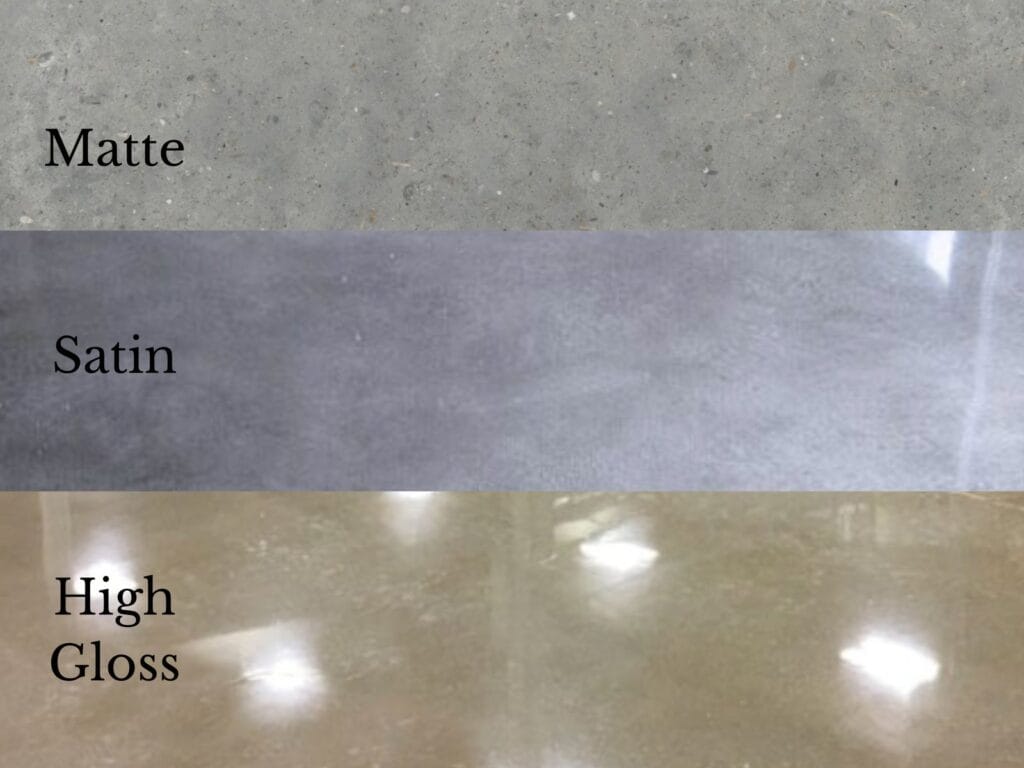
Beyond lippage, grinding is also used to:
- Remove deep saw marks from improperly fabricated stone
- Address severe staining or damage that honing cannot reach
- Restore extremely worn stone floors in high-traffic commercial spaces
- Flatten warped or cupped stone slabs
Because grinding removes a meaningful amount of material, it should only be performed by experienced professionals with appropriate equipment. Rose Restoration International has completed grinding projects across the VA/MD/DC area since 1978, including large-scale commercial floors in office buildings, hotels, and government facilities. Call us at 703-327-7676 to discuss whether grinding is the right scope for your project.
Stains on natural stone are among the most frustrating challenges for stone owners — and among the most commonly mishandled. The wrong treatment can set a stain permanently or damage the stone further. Professional stain removal requires accurate identification of the stain type and the application of the correct chemistry and technique for each specific situation.
The primary stain categories and professional approaches include:
- Organic stains (coffee, tea, wine, food, leaves, bird droppings): Treated with hydrogen peroxide-based poultices or enzymatic cleaners that break down organic compounds without bleaching or etching the stone.
- Oil-based stains (cooking oil, grease, body lotion, cosmetics): Treated with solvent-based poultices such as acetone or mineral spirits compounds that draw oil out of the stone pores.
- Rust stains (iron in stone or water, metal furniture): Require specialized rust removers and, in severe cases, mechanical abrasion to remove the oxidized iron compounds from the stone matrix.
- Water/mineral stains (hard water deposits, efflorescence): Addressed with controlled acid treatments or mechanical removal, followed by resealing.
The poultice technique is central to professional stain removal. A poultice is a paste-like mixture of an absorbent carrier (such as diatomaceous earth or kaolin clay) combined with the appropriate chemical agent. Applied over the stain and sealed with plastic wrap, a poultice draws the staining agent up and out of the stone as it dries over 24–48 hours. Multiple applications may be required for deep or old stains. For a detailed guide on this technique, see our article on poultice stain removal.
Rose Restoration International’s technicians serving Fairfax, VA, and the VA/MD/DC region are trained in professional stain diagnosis and treatment. We bring the right chemistry to every job, protecting your stone while achieving the best possible outcome.
How do I know which stone restoration scope I need?
The right scope depends on the type and severity of damage. Minor scratches and light etching typically require only honing or polishing. Uneven tiles or deep damage require grinding first. Chips and cracks need filling before refinishing. Stains may need poultice treatment before or after mechanical refinishing. A professional assessment is the most reliable way to identify the correct scope — contact Rose Restoration at 703-327-7676 for a free evaluation.
How much does professional stone restoration cost?
Cost varies significantly depending on the scope required, the square footage of the area, and the stone type. Honing and polishing services typically range from $4–$8 per square foot for standard floors. Grinding, chip repair, stain removal, and specialty coatings carry additional costs. Rose Restoration provides free, no-obligation estimates for all projects in Fairfax, VA, and the surrounding VA/MD/DC area.
How long does stone restoration take?
A typical residential floor (200–500 sq ft) can usually be honed, polished, and sealed in one to two days. Grinding projects, large commercial spaces, or stone requiring multiple stain treatments may take longer. Most projects allow normal use of adjacent areas while work is in progress.
Can all types of stone be restored?
Yes. Marble, travertine, limestone, granite, quartzite, onyx, slate, and most other natural stone types can be professionally restored. The specific tools, abrasives, and chemistry vary by stone type — what works perfectly for marble may damage granite. Rose Restoration’s technicians are trained and equipped to work with the full spectrum of natural stone materials.
Do you serve my area?
Rose Restoration International serves residential and commercial clients throughout Fairfax, VA, and the greater Northern Virginia, Maryland, and Washington D.C. region. Call us at 703-327-7676 or visit our contact page to confirm service availability in your specific location.
Updated for 2026
Related Rose Restoration Resources
Since this article was first published, Rose Restoration has expanded our published library with detailed case studies, an industry glossary, and topic-specific service pages. The most relevant resources for this article:
- Project Portfolio — Documented Case Studies →
- Marble Restoration Services →
- Granite Restoration Services →
- Terrazzo Restoration Services →
- FAQ — Restoration Process & Pricing →
For project consultation: 703-327-7676 or info@roserestoration.com.
Looking for something else?
Get a Free Assessment from Rose Restoration
Tell us about your marble, stone, terrazzo, or concrete and our senior technicians will recommend the right restoration approach. Family-run and trusted across Washington DC, Maryland, and Virginia since 1978.
Call (703) 327-7676 · Email info@roserestoration.com · schedule a time · or send us photos.
Restore. Don't replace.
48 years of polishing marble, terrazzo, concrete, and tile across Washington DC, Northern Virginia, and Maryland. IMF, Four Seasons, Smithsonian, and the Virginia State Capitol trust us — you can too.

One Response
Very interesting topic, thanks for posting.