
Rose Restoration — a Washington DC grout and tile restoration contractor — explains when to use grout versus caulk in tile installations. Using the wrong material causes recurring cracking, mold, and water damage.
| Property | Grout | Caulk |
|---|---|---|
| Where to use | Tile-to-tile joints | Tub edges, countertop edges, inside corners, fixtures |
| Material | Cement-based or epoxy | Silicone or polyurethane |
| Flexibility | Rigid — cannot flex | Flexible — accommodates movement |
| Joint type | Planar (same plane on both sides) | Changes-of-plane (different planes meet) |
| Color options | Wide pigment range | Limited but matched to grout colors |
| Lifespan | 15–25 years (with proper care) | 5–10 years before re-caulk |
| Cost | $1–$10/sq ft installed | $1–$3/linear ft installed |
| Common failure mode | Cracks if used at flex joint | Mold if not properly cleaned/replaced |
 By Tom Kuhn, CEO, Rose Restoration
Rose Restoration has restored marble, terrazzo, concrete, and natural stone across DC, MD, and VA since 1978.
The short answer: grout is a rigid cement-based filler for joints that do not move. Caulk is a flexible sealant for joints that do move. Use grout between tiles on a flat plane. Use caulk anywhere two planes meet, such as where a wall meets a floor, around a tub, or in a shower corner.
| Grout | Caulk | |
|---|---|---|
| Material | Cement or epoxy based | Silicone, latex, or polyurethane |
| Flexibility | Rigid, does not move | Flexible, absorbs movement |
| Use it | Between tiles on the same plane | Where two planes meet, and at fixtures |
| Waterproof | Porous unless sealed | Waterproof by design |
| Typical life | 10 to 15 years when sealed | 3 to 5 years in a wet area |
| Fails by | Cracking, staining, washing out | Shrinking, peeling, mildewing |
| Color matching | Wide range, can be color sealed | Matched to grout color |
Grout vs Caulk: Getting It Right Before You Remodel
Before you dive into that bathroom or kitchen remodeling project you’ve been shelving for a while, it’s important to understand the right materials for the job. One of the most common points of confusion is the debate of grout vs caulk. While they may look similar at first glance, their functions are quite different. Grout is used to fill and stabilize tile joints, while caulk provides flexible sealing around edges and corners. Knowing when to use tile caulk vs grout—and even understanding the difference between grout and mortar—can make all the difference in creating a durable, polished finish for your home.
Knowing which one belongs in a joint matters, because caulk is designed to move and grout is not. Both are replaced under our grout cleaning, sealing and caulk replacement service.
Grout: The Structural Filler
Grout is created by combining cement with tiny particles like sand and crushed rock. You can mix it yourself or buy it pre-mixed, depending on the scope of your project. After application, grout dries hard and becomes rough, making it ideal for keeping tiles firmly in place once they’ve been installed. This strength is what sets grout apart in the grout vs caulk conversation—grout provides stability, while caulk provides flexibility.
It’s also worth noting the difference between grout and mortar: mortar is used to set tiles onto a surface, while grout fills the gaps between them. Choosing the right product and even considering grout caulk colors can have a big impact on both durability and the finished look of your tile installation.

Caulk: The Flexible Sealant
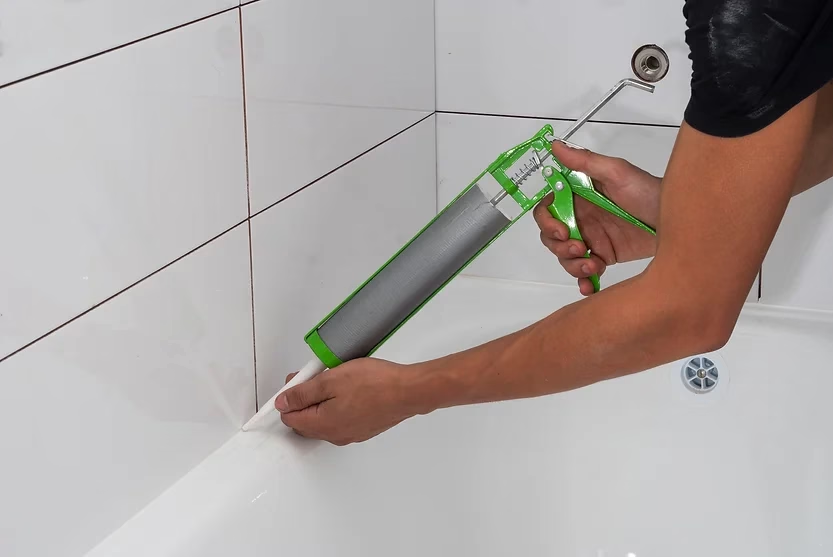
On the other hand, caulk is usually a liquid material made from either silicone or polyurethane. Because it creates a completely waterproof seal, it’s an ideal product for closing gaps around the home—especially in bathrooms and kitchens where moisture is a concern.
Unlike grout, caulk will stay flexible even after it dries. This flexibility makes it perfect for sealing joints and edges in materials that may expand, contract, or shift over time. That’s why the choice of tile caulk vs grout is so important: grout delivers strength, while caulk provides protection. When considering grout caulk for your next project, think of caulk as the safeguard that prevents cracks and water intrusion where tiles meet walls, tubs, or countertops.
Different Applications: Grout vs Caulk
When deciding between grout vs caulk, it helps to look at their ideal applications:
-
Use grout between tiles on walls and floors to securely hold them in place and create a solid, durable surface. This is where understanding the difference between grout and mortar also comes in handy—mortar sets the tiles, while grout locks them in place.
-
Use caulk in corners, joints, and areas requiring flexibility, such as angled seams and connections between different materials, to provide a waterproof and adaptable seal. For example, in kitchens and bathrooms, the debate of tile caulk vs grout is especially relevant, since using the wrong material can lead to cracks or water damage.
-
Silicone caulk is best for household use due to minimal shrinkage, though it is more expensive. Once cured, silicone caulk remains highly flexible, allowing joints to stretch up to three times their normal width.
-
For a consistent finish, match materials: if you’re using sanded grout, also use sanded caulk. Consistency in texture and appearance is important both for aesthetics and performance.
👉 Pro Tip: While caulk is more water-resistant than grout, it is less durable over time. That’s why many homeowners consult stone experts near me to ensure the right material is chosen for each application.
Color Options for Grout vs Caulk
Bottom Line
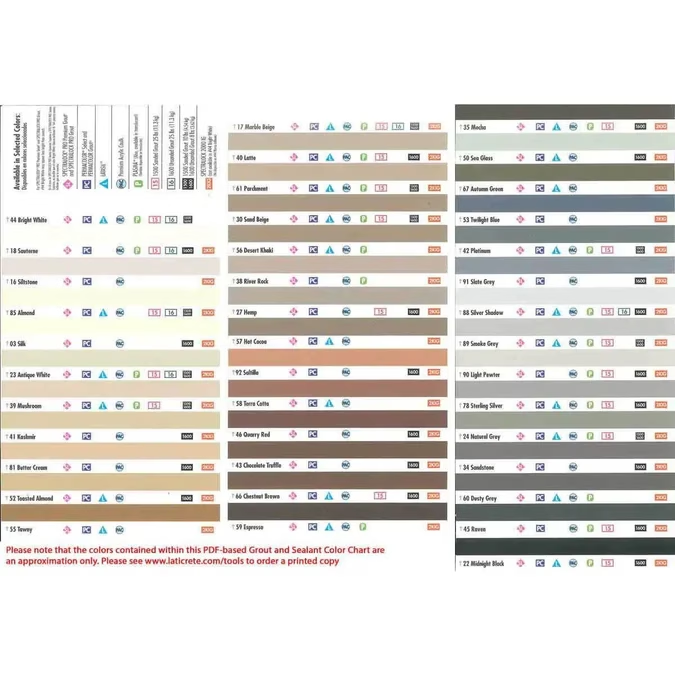
Both grout and caulk are available in a wide variety of shades, so your choice often comes down to aesthetics and design preferences. Grout caulk colors can significantly influence the overall look of a tiled surface, whether you want the joints to blend in subtly or stand out as a design element.
-
Grout colors range from classic whites, grays, and beiges to more distinctive tones like blue, green, or brown.
-
Caulk colors are just as versatile, with options including white, clear, beige, gray, brown, and black.
When comparing tile caulk vs grout, keeping consistency in color and finish is key for a polished result. Matching sanded grout with sanded caulk—or coordinating smooth grout with a complementary caulk shade—ensures that the installation looks seamless.
Grout vs Caulk: Durability and Resistance
Although grout and caulk might seem alike, they serve very different purposes. Grout is valued for its strength and durability, making it ideal for stabilizing tiles over time. However, it is less resistant to water and requires sealing to prevent stains or damage.
Caulk, on the other hand, offers strong water resistance and creates a tight, flexible seal—perfect for areas exposed to moisture, like bathrooms and kitchens. The trade-off is that caulk generally has a shorter lifespan compared to grout. This distinction highlights why the choice of grout vs caulk (and even the difference between grout and mortar) matters when planning a long-lasting installation.
At Rose Restoration, our team not only helps clients make the right choice between tile caulk vs grout, but we also specialize in full-service care—from professional marble restoration and terrazzo restoration to protecting and maintaining natural stone with the right sealants and finishes.
The Final Word on Grout vs Caulk
When it comes to grout vs caulk, the right choice depends on where and how you’re applying it. Grout provides the strength and structure to hold tiles securely in place, while caulk offers the flexibility and water resistance needed for corners, edges, and expansion joints. Understanding the difference between grout and mortar, choosing the right tile caulk vs grout application, and even selecting the best grout caulk colors can make or break the success of your remodeling project.
If you’re unsure, trust the stone experts near me who understand not only tile but also how these materials impact larger surfaces like marble, terrazzo, and natural stone. At Rose Restoration, we’re more than just a service—we’re your partner in keeping your spaces beautiful, durable, and protected. From professional marble restoration to fixing chipped marble countertops and terrazzo restoration, our specialists can guide you every step of the way.
To learn more, check out our page that goes over your options for professional grout & caulk: cleaning, sealing, repairing, or replacement.
If you want a quote for repairing or replacing grout and/or caulk in your home contact us below, at contact@roserestoration.com, or 703-327-7676.
Need Grout or Caulking Help?
Whether your bathroom needs regrouting, color sealing, or caulking replacement, our team handles it all. Professional grout and caulking services throughout VA, MD, and DC.
Frequently Asked Questions About Grout and Caulk
Can I use grout instead of caulk in shower corners?
No. Shower corners are change-of-plane joints where two surfaces meet at an angle. These joints experience movement from thermal expansion, building settling, and moisture changes. Grout is rigid and will crack in these locations. Caulk is flexible and designed specifically for joints that need to accommodate movement. Always use caulk at corners, edges, and where tile meets other surfaces.
Why does my shower caulk keep getting moldy?
Caulk in showers is constantly exposed to moisture, which creates ideal conditions for mold growth. Using a high-quality silicone caulk with mold-resistant additives helps, but even the best caulk will eventually develop mold in a shower environment. Shower caulk should be replaced every 3 to 5 years as a standard maintenance practice.
Should grout be sealed after installation?
Yes. Cement-based grout is porous and absorbs moisture, dirt, and stains readily. Applying an impregnating grout sealer after installation fills the pores and significantly improves stain resistance. Grout should be resealed periodically — typically every one to two years in wet areas like showers and every two to three years in dry areas.
Can old grout be replaced without removing the tile?
Yes. Old grout can be removed using a grout saw, oscillating tool, or professional grout removal equipment without damaging the surrounding tile. Once the old grout is removed, new grout is applied. This process — called regrouting or rake and regrout — is far less expensive and disruptive than replacing the entire tile installation.
What is the difference between sanded and unsanded grout?
Sanded grout contains fine sand particles that add strength and reduce shrinkage, making it appropriate for joints wider than 1/8 inch. Unsanded grout is smoother and used for narrow joints 1/8 inch or less, and for polished stone where sand particles could scratch the surface. Using the wrong type can lead to cracking or surface damage.

Need professional tile, grout, or caulking work? Rose Restoration offers residential tile and grout services as well as commercial tile solutions. Contact us for a free quote.
Need Professional Help?
Rose Restoration provides professional grout and tile services across Northern Virginia, Washington DC, and Maryland. Call (703) 327-7676 for a free estimate.
Updated for 2026
Related Rose Restoration Resources
Since this article was first published, Rose Restoration has expanded our published library with detailed case studies, an industry glossary, and topic-specific service pages. The most relevant resources for this article:
-
Stone Care Glossary — Caulking vs. Grout definition →
-
Stone Care Glossary — Regrouting definition →
-
Marble Shower Restoration →
-
Travertine Shower Restoration →
-
Bathroom Stone & Shower Restoration →
-
Recent project: Travertine Shower in Potomac MD →
For project consultation: 703-327-7676 or info@roserestoration.com.
Looking for something else?
Rose Restoration — local service areas
Need grout restored or resealed? Rose Restoration handles grout cleaning, recoloring & sealing: Grout services in Washington, DC · Bethesda, MD · grout cleaning & color sealing.
Get a Free Assessment from Rose Restoration
Tell us about your marble, stone, terrazzo, or concrete and our senior technicians will recommend the right restoration approach. Family-run and trusted across Washington DC, Maryland, and Virginia since 1978.
Call (703) 327-7676 · Email info@roserestoration.com · or send us photos.
Restore. Don't replace.
48 years of polishing marble, terrazzo, concrete, and tile across Washington DC, Northern Virginia, and Maryland. IMF, Four Seasons, Smithsonian, and the Virginia State Capitol trust us — you can too.
One Response
Very nice article and right to the point