
Reference Guide
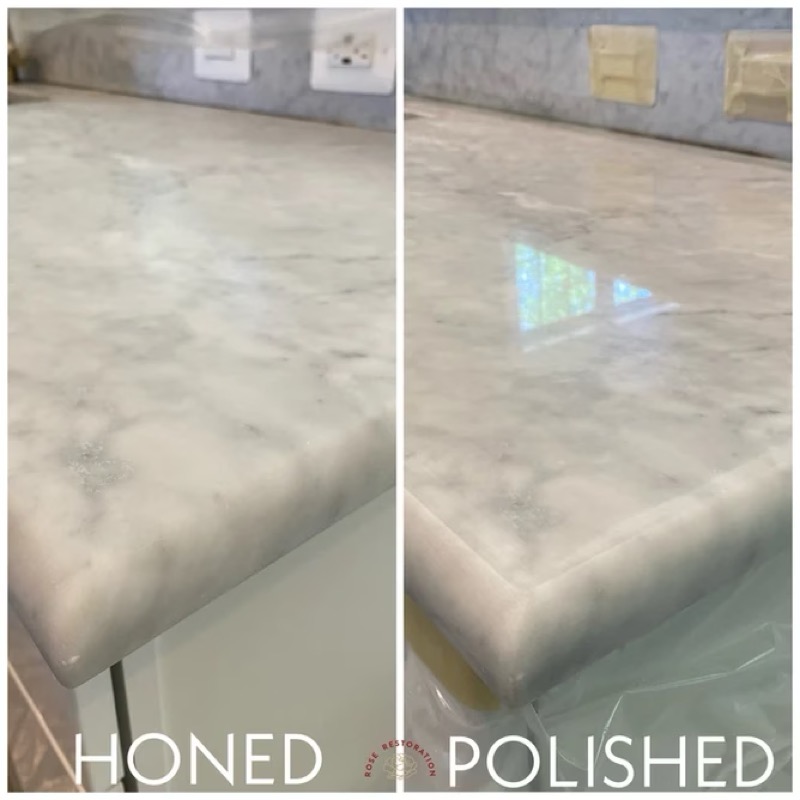
Background on the two finishes:
 By Tom Kuhn, CEO, Rose Restoration
Rose Restoration has restored marble, terrazzo, concrete, and natural stone across DC, MD, and VA since 1978.
Short answer: yes, honed marble can be polished to a high-gloss finish — and we do it regularly for homeowners and commercial clients who decide they want the mirror look instead of the matte honed surface. Here’s what’s involved, when it makes sense, and when it doesn’t.
Rose Restoration has been polishing marble (both honed and otherwise) throughout Washington DC, Maryland, and Virginia since 1978. Free on-site assessment: online form or (703) 327-7676.
Changing a finish after installation is restoration work rather than cleaning. Our residential marble honing and polishing service takes a floor or countertop either direction, matched across a whole run so the result reads as one surface.
The One-Line Difference
Honed and polished marble are the same stone, stopped at different points in the same diamond-abrasive process: honed stops at roughly 200 to 800 grit and stays matte, polished continues through 1500 to 3000 grit and reflects.
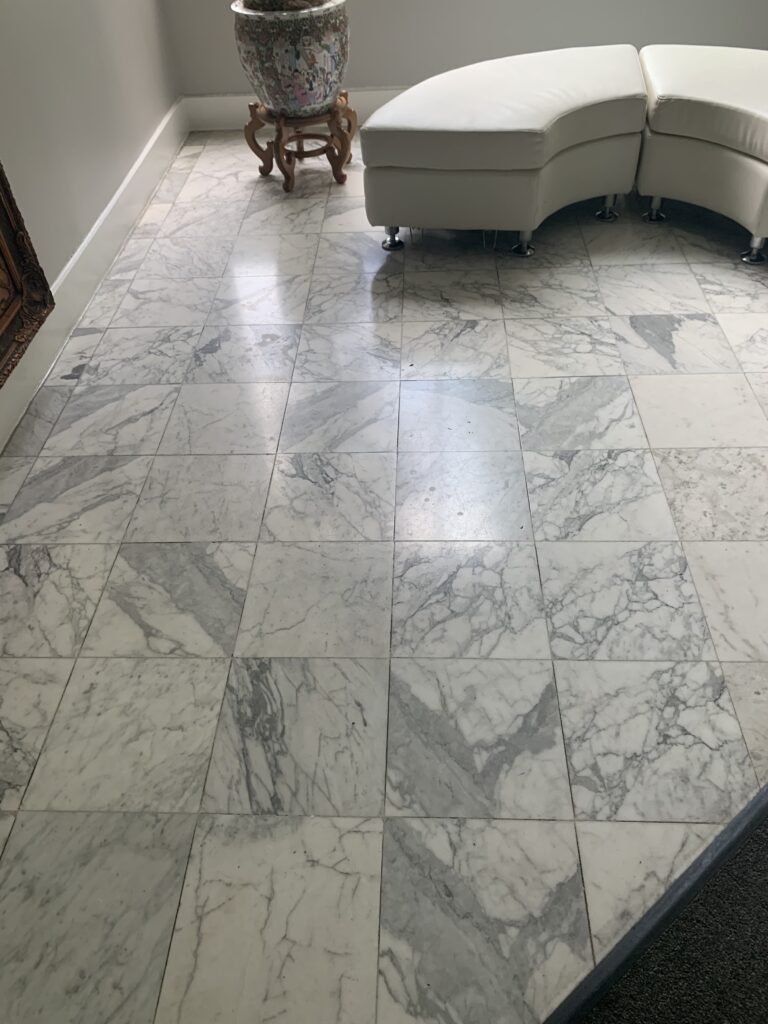
If you are still deciding which finish you want rather than changing one you already have, the honed vs polished marble comparison covers how each wears, stains, scratches and maintains, room by room. This page is about changing the finish on marble that is already installed.
Can Honed Marble Be Polished? Yes.
Because honed and polished are steps on the same process, we can take any honed marble and continue the process up to a polished finish. It’s not a different treatment — it’s a continuation of the treatment already done.
Here’s what’s involved:
- Start with clean honed marble. Deep-clean to remove any soil, sealer residue, or cleaning product buildup.
- Light re-honing at 400–800 grit to ensure the surface is uniformly smooth before polishing.
- Progressive polishing through finer grits. Typically 1500, then 3000, with polishing compounds between passes.
- Final buff and seal. Penetrating impregnating sealer appropriate to the marble type.
A honed marble kitchen countertop typically polishes in 2–4 hours per visit. A honed marble floor (say 200 SF) takes about a day.
When Polishing Honed Marble Makes Sense
- You chose honed but don’t love it. Plenty of homeowners choose honed during renovations and decide later they’d prefer the polished look. Converting is straightforward.
- Changing from casual to formal. Honed reads casual, polished reads formal. Selling a home, renovating for entertaining, or just updating the look — polishing makes the switch.
- The honed finish is worn or damaged. Rather than restore to honed, some clients take the opportunity to polish. More dramatic result, same process cost.
- Commercial luxury environments. Hotel lobbies and executive spaces almost always want polished marble. Any surface that’s ended up honed (original spec or later intervention) may need to be brought up to polished.
When to Keep It Honed
- High-traffic floors. Polished marble shows scratches more visibly than honed. In high-traffic areas with lots of grit, honed hides wear better.
- Kitchen countertops (some people). Honed marble hides water spots and etching more than polished. If you want the “lived-in” look, honed may be the better choice.
- Contemporary or minimalist design. Honed reads more contemporary; polished reads classic. Design intent may favor honed.
- Bathroom floors. Honed marble is less slippery when wet than polished.
- Exterior stone. Polished exterior marble loses gloss quickly under weather exposure. Honed or textured finishes weather better outside.
Does Polishing Honed Marble Cost More?
Slightly. Converting honed to polished is typically 10–20% more than a standard polish refresh because of the extra honing step at the beginning to ensure uniform smoothness before polishing.
Typical 2026 pricing:

- Residential countertop honed-to-polished: $350–$900
- Residential floor honed-to-polished: $8–$18 per SF
- Commercial honed-to-polished: $6–$18 per SF
See our full 2026 marble cost guide for details.
Can You Go the Other Way — Polished to Honed?
Yes. Converting polished marble to honed is simpler — it’s essentially the same process but stopped earlier. We diamond-hone through to the target grit level (usually 200 or 400 for a deep honed finish, 800 for a lighter honed) and skip the polishing compounds.
This is less common than honed-to-polished but sometimes requested for design updates, mood changes, or to hide wear patterns.
Can You Do a “Satin” Finish Between Honed and Polished?
Yes — this is actually a very popular choice. A satin finish (typically 800 grit) sits between the flat-matte of deep honed (200–400) and the mirror of polished (1500–3000). It has a slight sheen without full reflection.
For homeowners who want “polished-but-not-too-shiny,” a satin finish is often the right answer.
Ready to Change Your Marble Finish?
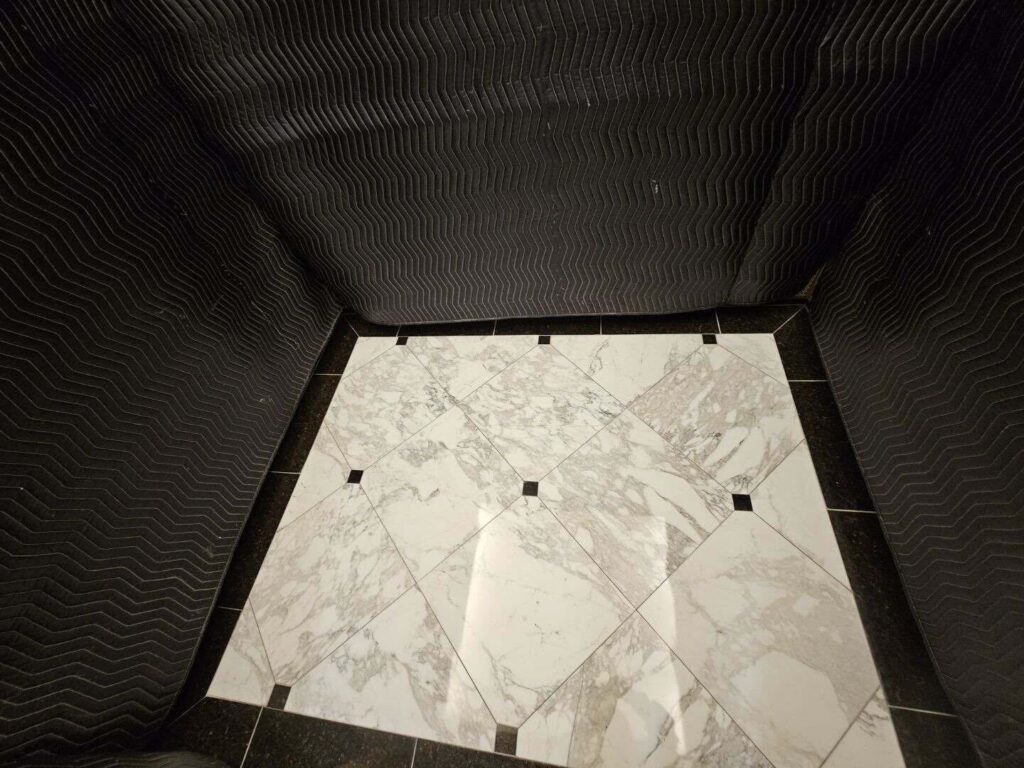
Free on-site assessment to discuss your marble and your target finish. We’ll show you samples of honed, satin, and polished finishes on the same stone so you can see the difference before committing.
Call: (703) 327-7676 | Online: request a free assessment
Related Reading
- Honed vs Polished Marble — Full Comprehensive Guide
- Stone Finishes Explained — Polished, Honed, Leathered, Brushed
- How to Polish Marble Floors
- Main Marble Restoration Services
- Marble Restoration Cost Guide
This conversion comes up often in Bethesda bathroom and countertop projects — where a previous owner had marble honed for the matte look and the current owner wants the polish back.
Looking for something else?
Get a Free Assessment from Rose Restoration
Tell us about your marble, stone, terrazzo, or concrete and our senior technicians will recommend the right restoration approach. Family-run and trusted across Washington DC, Maryland, and Virginia since 1978.
Call (703) 327-7676 · Email info@roserestoration.com · schedule a time · or send us photos.
Project photos
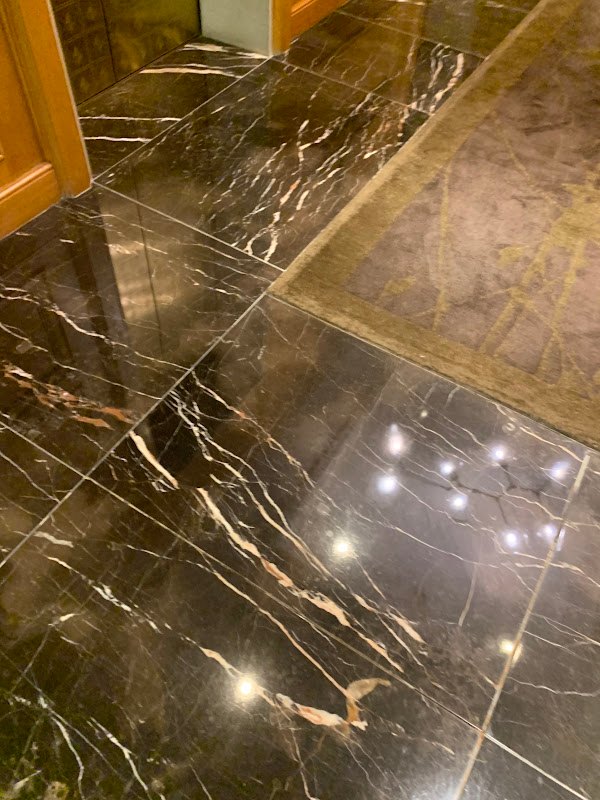
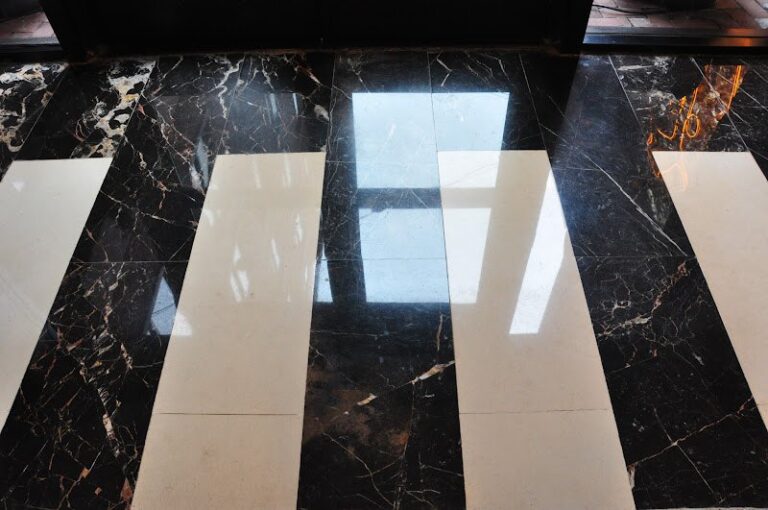
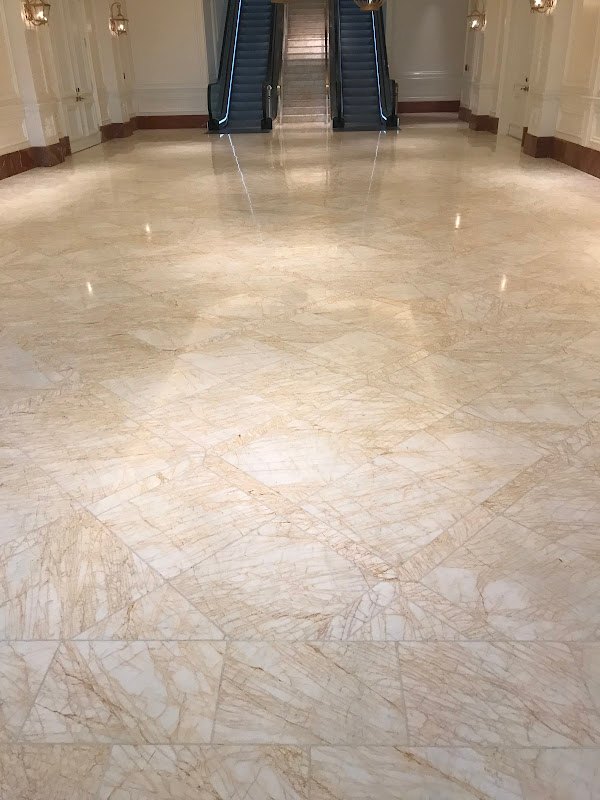
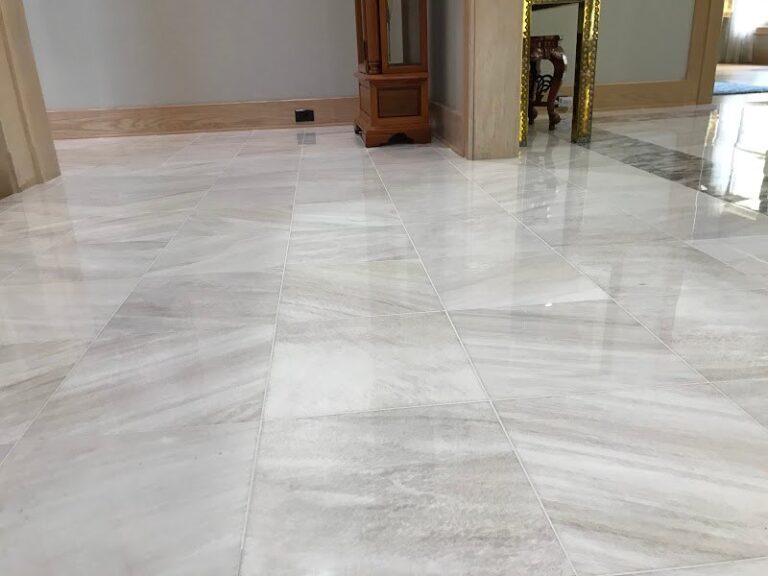
Real Rose Restoration jobs, photographed by our crews.
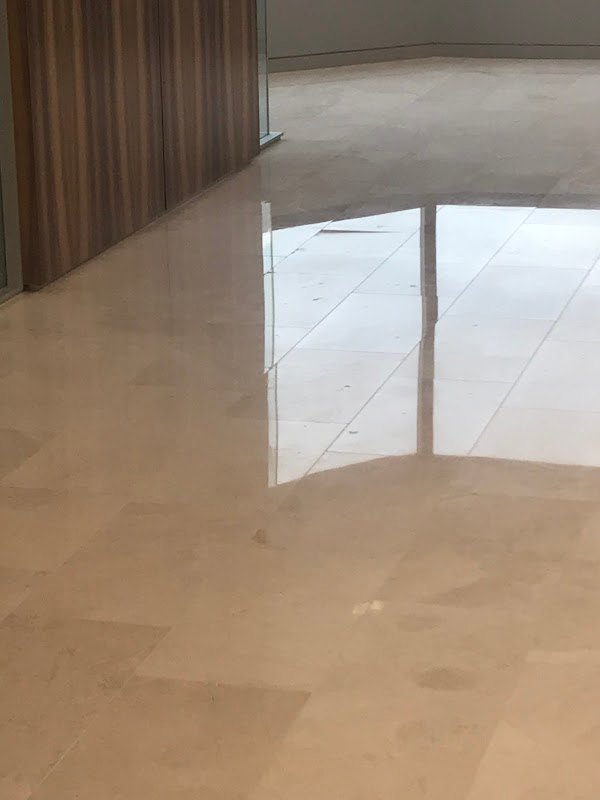

Restore. Don't replace.
48 years of polishing marble, terrazzo, concrete, and tile across Washington DC, Northern Virginia, and Maryland. IMF, Four Seasons, Smithsonian, and the Virginia State Capitol trust us — you can too.
Watch the Process
Real Rose Restoration projects on video — no stock footage, no staged demonstrations.