
If your bathroom or kitchen grout looks dark, cracked, or stained, you’re not alone. Grout problems are one of the most common issues homeowners experience with tile surfaces.
Many homeowners begin searching for solutions using terms like:
• grout repair near me
• tile regrouting service
• shower grout replacement
• grout cleaning and sealing
• bathroom grout restoration
• tile grout repair
While dirty or damaged grout can make an entire floor or shower look worn out, the good news is that most grout issues can be corrected without replacing the tile itself.
Two of the most effective solutions are color sealing and regrouting. Understanding when each service is appropriate helps homeowners choose the best long-term solution for their tile surfaces.
Understanding Why Grout Gets Dirty and Damaged
Grout is a cement-based material designed to fill the joints between tiles. Unlike the tile itself, grout is porous, meaning it absorbs moisture and contaminants over time.
Common substances absorbed by grout include:
• water and humidity
• soap residue and shampoo
• dirt and foot traffic debris
• oils from skin or cooking
• hard water minerals
Because grout absorbs these materials, it often becomes darker and more uneven in color over time.
In addition to discoloration, grout can also deteriorate due to:
• normal structural movement
• moisture exposure
• improper installation
• aggressive cleaning chemicals
• years of wear and use
When grout begins to crack or crumble, it can allow water to penetrate beneath the tile surface. This can eventually lead to larger issues behind walls or beneath floors if not addressed.
Common Signs Your Grout Needs Professional Repair
Homeowners often start researching grout restoration after noticing problems such as:
• grout lines turning dark or uneven
• stains that do not clean off
• cracked or missing grout between tiles
• loose grout that flakes out of joints
• mold or mildew appearing in shower grout lines
These problems can affect kitchens, bathrooms, showers, entryways, laundry rooms, and tiled floors throughout the home.
Fortunately, professional grout restoration can often restore both the appearance and integrity of tile installations.
What Is Grout Color Sealing?
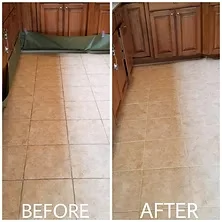
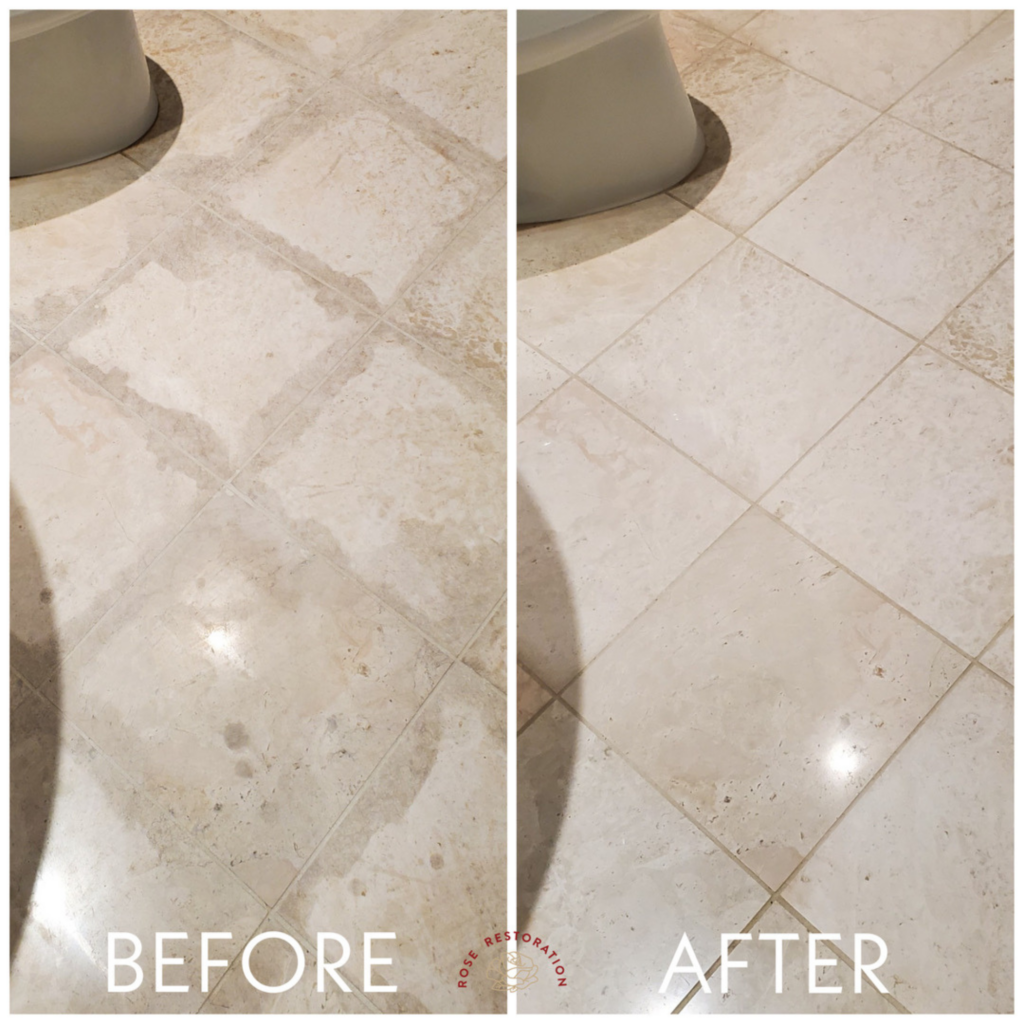
Grout color sealing is a restoration method used when grout is structurally intact but heavily stained or uneven in color.
Instead of replacing the grout, the process restores its appearance and improves its resistance to future staining.
The process typically includes:
• deep cleaning of grout lines
• removal of embedded dirt and buildup
• application of a tinted grout color seal
• sealing of the grout surface to prevent absorption
The color seal penetrates the grout while creating a protective barrier that helps prevent stains and moisture from penetrating the surface.
Color sealing also allows grout lines to be made uniform again, dramatically improving the overall appearance of the tile installation.
Where Color Sealing Works Best
Color sealing is ideal for tile surfaces where the grout is still structurally sound but visually worn.
Common applications include:
• kitchen tile floors
• bathroom floors and walls
• entryway tile surfaces
• laundry room tile floors
• shower floors and shower walls
Because color sealing restores the grout without removing it, the process is typically faster and less disruptive than full grout replacement.
It is often the best option when homeowners want to refresh the look of their tile without major reconstruction.
When Regrouting Is the Better Solution
In some cases, grout is too damaged to restore with cleaning or color sealing. When grout is cracked, missing, or deteriorating, full regrouting is the correct long-term solution.
Regrouting — often called rake and regrout — involves removing the damaged grout and installing new grout in the joints.
The typical process includes:
• removing deteriorated grout from joints
• cleaning the exposed joints
• installing fresh grout material
• allowing the grout to properly cure
• applying caulk where necessary
This approach restores both the appearance and structural function of the grout.
Why Caulk Is Used with Regrouting
A critical step in proper grout repair is identifying where grout should not be used.
In areas where surfaces meet — known as changes of plane — flexible caulk is required instead of grout. These areas include:
• corners of showers
• where walls meet floors
• bathtub and shower perimeters
• transitions between surfaces
Caulk allows slight movement between surfaces, preventing cracking that would occur if rigid grout were used.
Replacing grout without addressing these movement areas can lead to future cracking and failure.
Why Rake and Regrout Is Done Before Stone Refinishing
On projects involving natural stone tile, grout removal is often completed before any honing or polishing work.
Removing grout can sometimes cause minor scratching on adjacent stone surfaces. By performing grout removal first, technicians can refine the stone afterward, ensuring a uniform final finish.
This sequencing helps achieve the best final result for both grout joints and surrounding stone.
Choosing the Right Solution for Your Tile
Both color sealing and regrouting are effective restoration options, but they serve different purposes.
Color sealing is typically best when:
• grout is intact but discolored
• tile installation is structurally sound
• the goal is to restore uniform color and improve stain resistance
Regrouting is necessary when:
• grout is cracked or missing
• joints are deteriorating or crumbling
• water intrusion is possible behind the tile
In many homes, addressing grout problems early can prevent larger repairs and extend the life of the entire tile installation.
Restoring the Appearance and Integrity of Tile Surfaces
Dirty or damaged grout can make even beautiful tile surfaces appear worn and neglected. Fortunately, professional grout restoration can dramatically improve both the appearance and durability of tile floors and showers.
Whether through color sealing or full regrouting, restoring grout helps protect the underlying tile system while giving kitchens, bathrooms, and other tiled areas a cleaner, refreshed appearance.
With proper care and maintenance, restored grout can remain durable and attractive for many years.
Frequently Asked Questions About Grout Repair
Can grout be cleaned instead of replaced?
In many cases, yes. If grout is structurally intact but stained, professional cleaning and color sealing can restore its appearance without removing the grout.
How do I know if my grout needs regrouting?
If grout is cracked, crumbling, missing, or loose between tiles, regrouting is usually required to restore the integrity of the tile installation.
How long does grout color sealing last?
When properly applied, grout color sealing can last several years and significantly improve stain resistance compared to untreated grout.
Why is caulk used in showers instead of grout?
Caulk is used at corners and movement joints because it remains flexible. Grout is rigid and can crack in areas where surfaces expand and contract.
Is regrouting better than replacing tile?
Yes. In most cases, regrouting is far less expensive and disruptive than replacing the entire tile installation while still restoring its appearance and functionality.