
Rose Restoration has restored marble, terrazzo, concrete, and natural stone across DC, MD, and VA since 1978.
In today’s Northern Virginia real estate market, every detail counts. Buyers are scrutinizing finishes, durability, and maintenance costs more than ever. Sellers want upgrades that increase perceived value without the disruption and expense of full-scale renovations. And one material that’s quietly commanding more attention in residential real estate than almost any other? Concrete.
Concrete garage floors, interior concrete floors, and concrete countertops have evolved from purely functional surfaces into genuine design features. When properly restored — ground, polished, stained, or sealed by professionals — concrete surfaces can dramatically elevate both the look and the livability of a home.
At Rose Restoration, we’ve seen a significant uptick in residential concrete projects across the Washington DC metro area, particularly from homeowners preparing to list their properties, buyers upgrading recently purchased homes, and families who simply want better-performing surfaces throughout their living space.
This guide breaks down everything homeowners need to know about residential concrete restoration — what it involves, why it matters for home value, and how professional results compare to DIY approaches.
Why Concrete Matters in Residential Real Estate
Concrete isn’t just structural anymore. In modern homes throughout Northern Virginia, Maryland, and Washington DC, concrete is increasingly visible and intentional. Open-concept floor plans, contemporary design trends, and a growing appreciation for industrial-modern aesthetics have brought concrete out of the basement and into the spotlight.
Common Residential Concrete Applications
Concrete shows up in more places than most homeowners realize:
- Garage floors — the first surface visitors and buyers see when pulling into the home
- Basement floors — increasingly used as finished living space, home gyms, and entertainment areas
- Main-level interior flooring — common in contemporary builds, lofts, and renovated townhomes
- Outdoor patios and walkways — stamped, stained, or polished for curb appeal
- Concrete kitchen countertops — a popular custom option in modern kitchens
- Utility rooms, mudrooms, and laundry areas — high-traffic zones that benefit from durable finishes
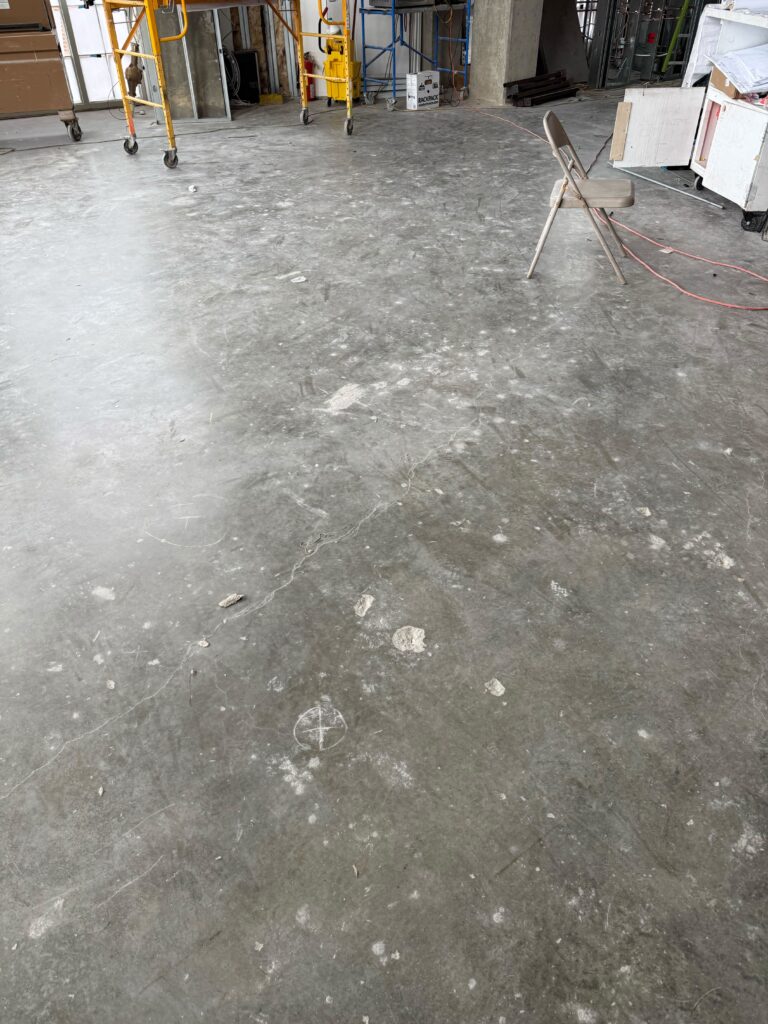
When these surfaces are dull, stained, cracked, or dusty, they drag down first impressions. When professionally restored and polished, they feel clean, modern, and completely move-in ready.
The Real Estate Angle: Concrete as a Selling Feature
Real estate agents in the DC metro area will tell you — buyers notice floors immediately. A polished concrete basement floor photographs dramatically better than a chalky, gray slab. A sealed and stained garage floor signals that the homeowner cared about every corner of the property, not just the visible living areas.
According to industry data, garage and basement improvements consistently rank among the highest-ROI upgrades for resale. Concrete restoration hits that sweet spot: it’s far less expensive than replacing flooring entirely, but it delivers a visual and functional transformation that buyers can see and feel the moment they walk in.
Concrete Garage Floor Restoration for Northern Virginia Homeowners
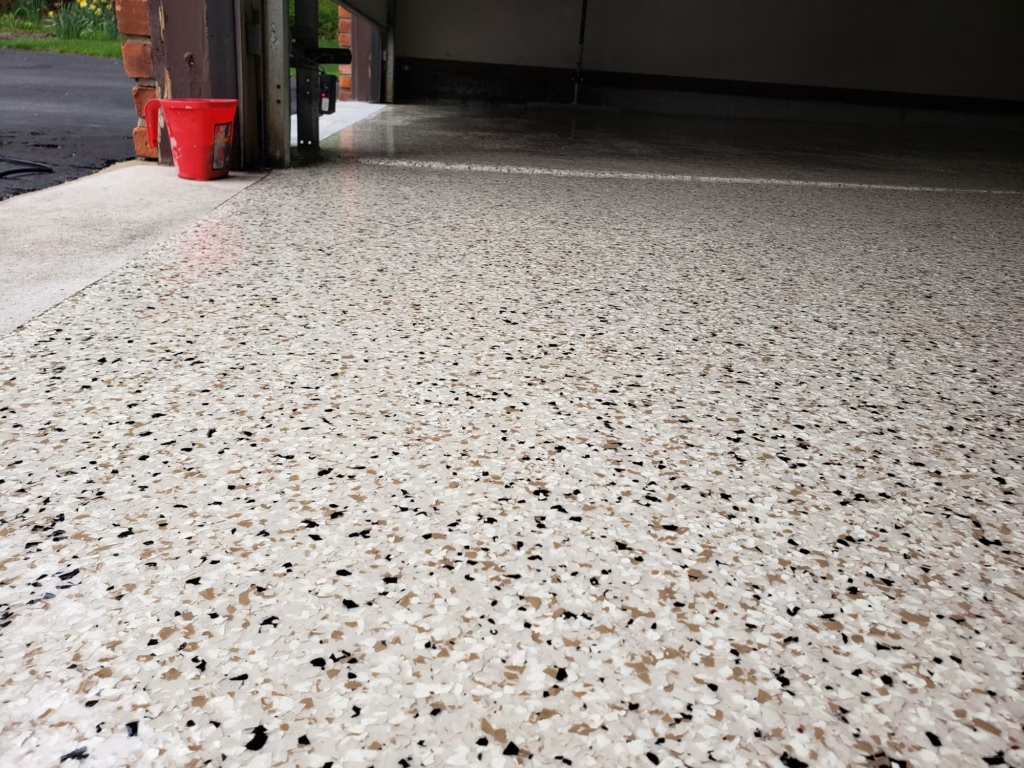
Garage floors are one of the most overlooked features in residential properties. Over the years, oil stains, tire marks, road salt residue, paint drips, and general surface wear accumulate — making the entire space feel neglected and dingy.
Most homeowners don’t think about their garage floor until they’re preparing to sell or until the dust and staining becomes impossible to ignore. But a professionally restored garage floor is one of the fastest, most impactful upgrades you can make to a home.
What Professional Garage Floor Restoration Involves
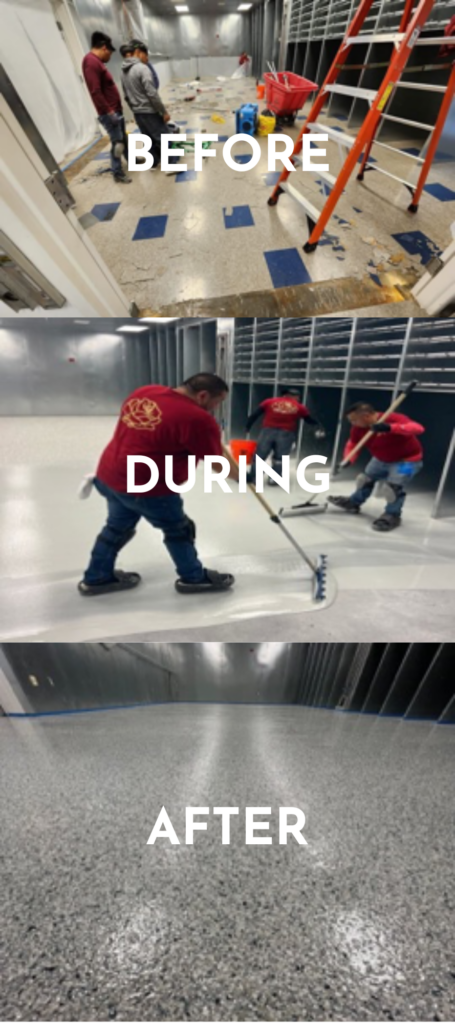
The process starts with concrete grinding and surface preparation. This step removes embedded contaminants, old coatings, and surface damage — opening up the concrete for proper refinishing. From there, homeowners can choose the finish that best fits their needs and budget:
- Polished concrete garage floors — a refined, glossy look that’s easy to clean and incredibly durable
- Sealed concrete finishes — a clean, protected surface that resists staining and dusting
- Stained concrete garage floors — custom color options that transform the slab into something visually striking
- Slip-resistant concrete coatings — functional finishes designed for safety in wet or high-traffic garages
Why It Matters for Homeowners
A restored garage floor doesn’t just look better. It reduces concrete dusting (that fine powder that coats everything in the garage), improves cleanability, resists future staining, and adds years of durability to the surface.
For sellers, a clean, bright garage signals proper home maintenance across the board. It tells buyers, “This homeowner took care of everything — even the spaces most people ignore.” For buyers moving into a new home, a professionally finished garage floor is one less project on the to-do list.
How Long Does a Garage Floor Restoration Last?
A properly polished or sealed garage floor can last a decade or more with minimal maintenance. Unlike epoxy coatings that can peel, chip, or yellow over time, mechanically polished concrete doesn’t rely on a surface coating — the finish is built into the concrete itself. That’s why it holds up so well in high-traffic, high-abuse environments like garages.
Interior Concrete Floors: Modern, Durable, and Low Maintenance
Interior concrete floors are becoming increasingly common in Northern Virginia homes — not just in basements, but in contemporary main-level living spaces, renovated townhomes, and new construction. The appeal is obvious: concrete is durable, modern-looking, and essentially zero-maintenance when finished properly.
However, unfinished or poorly maintained concrete can appear chalky, uneven, or stained. It dusts constantly, feels rough underfoot, and looks cold rather than clean. The difference between raw concrete and professionally polished concrete is night and day.
The Residential Concrete Polishing Process
Professional concrete polishing transforms a raw or worn slab into a refined, durable surface through a multi-step process:
- Slab evaluation — assessing the current condition, identifying cracks, stains, or previous coatings that need to be addressed
- Concrete grinding — removing surface imperfections, old adhesive residue, stains, and damage to create a clean, even surface
- Progressive polishing — refining the concrete through multiple passes with increasingly fine tooling to build up the sheen
- Densification — applying a chemical densifier that penetrates the concrete and increases its hardness, density, and stain resistance
- Protective sealer or guard coat — a final layer that enhances the finish and adds long-term protection
The result is a smooth, low-maintenance floor that resists dusting, cleans easily with a damp mop, and stands up beautifully to daily foot traffic, pets, furniture, and everything else a home throws at it.
Why Buyers Love Polished Concrete Floors
Polished interior concrete floors appeal to a specific — and growing — segment of homebuyers. They’re especially attractive to buyers who prefer modern finishes, want easy upkeep, have allergies (no carpet fibers or trapped dust), or appreciate the clean-lined aesthetic that polished concrete delivers.
In a market where move-in-ready homes command premium prices, polished concrete floors are a differentiator. They tell buyers the home is updated, low-maintenance, and designed for modern living.
Concrete Countertops: Refinishing Instead of Replacing
Concrete countertops have been a popular choice in custom kitchens and bathrooms for years. They’re durable, unique, and offer a handcrafted quality that manufactured materials can’t replicate. But like any surface, they develop wear over time — stains, etching from acidic foods and drinks, dull spots, and sealer breakdown.
Replacing concrete countertops is expensive and disruptive. It often means demolition, custom fabrication, and extended downtime in your kitchen. But in many cases, the existing countertops can be restored to like-new condition without removing them at all.
The Concrete Countertop Restoration Process
Professional countertop restoration typically involves:
- Deep cleaning and surface prep — removing built-up grime, old sealer residue, and surface contaminants
- Light grinding or honing — correcting surface wear, scratches, and etching without altering the shape or profile
- Refinishing — restoring smoothness, uniformity, and the original character of the concrete
- Resealing — applying a fresh, high-quality sealer for stain protection and daily performance
This approach preserves the custom nature of concrete countertops — the unique color, texture, and character that made them special in the first place — while dramatically improving their appearance and functionality.
When Countertop Restoration Makes Sense
For homeowners preparing to sell, refreshed concrete countertops can modernize a kitchen or bathroom without the cost and timeline of a full remodel. For homeowners staying put, it’s a way to fall back in love with surfaces that have lost their luster.
The key indicator? If your concrete countertops are structurally sound but cosmetically worn — stained, dull, or rough to the touch — restoration is almost always the smarter play versus replacement.
Why Grinding and Polishing Matter: The Science Behind the Results
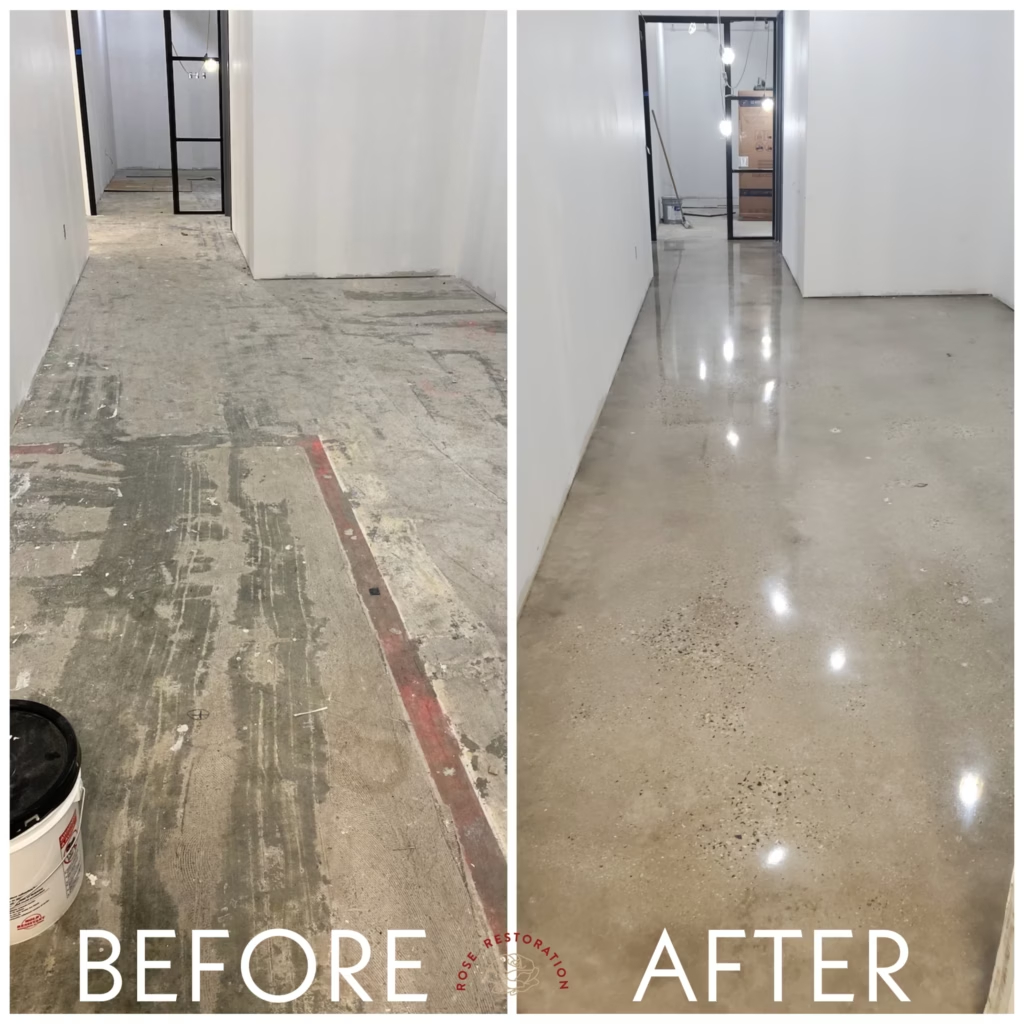
Proper concrete grinding and polishing are what separate professional, lasting results from temporary fixes that break down within months.
Here’s what each step actually does:
Concrete Grinding
Grinding uses diamond-tooling to mechanically remove the top layer of the concrete surface. This eliminates embedded stains, old coatings, adhesive residue, and surface damage. It also opens the concrete’s pore structure, which allows densifiers and sealers to penetrate deeply rather than sitting on top.
Concrete Polishing
Polishing refines the ground surface through progressively finer passes. Each step smooths the concrete further and builds up the sheen — from a matte hone to a high-gloss mirror finish, depending on the homeowner’s preference. The result is a uniform, attractive surface that reflects light and feels smooth underfoot.
Densification
Densification is the step most DIY approaches skip entirely — and it’s arguably the most important. A chemical densifier penetrates into the concrete and reacts with the calcium hydroxide in the slab, creating a harder, denser surface. This is what makes polished concrete so resistant to dusting, staining, and wear. It strengthens the concrete itself rather than relying on a thick coating that will eventually peel or wear away.
This three-step approach — grind, polish, densify — enhances the natural material instead of hiding it. That’s why professional results last years, not months.
The Benefits of Professional Residential Concrete Restoration
Homeowners choose professional concrete restoration because it delivers measurable improvements across multiple dimensions:
- Increased property value — polished and sealed concrete surfaces are a recognized upgrade in today’s market
- Improved appearance — stained, dull, or damaged concrete is transformed into a clean, modern surface
- Enhanced durability — densified and sealed concrete resists wear, staining, and moisture far better than untreated slabs
- Reduced maintenance — polished concrete requires nothing more than occasional damp mopping
- Long-term performance — professional results last for years without the peeling, chipping, or yellowing common with coatings
- Better indoor air quality — polished concrete doesn’t harbor dust, allergens, or mold the way carpet and some other flooring materials do
For Real Estate Professionals
If you’re an agent in Northern Virginia, Maryland, or Washington DC, here’s what matters: restored concrete floors and garage spaces photograph dramatically better, show better in person, and reassure buyers that the home has been well maintained throughout — not just in the visible living areas.
It’s one of those upgrades that punches well above its cost in terms of buyer perception.
Concrete That Works for Today's Northern Virginia Housing Market
As residential design trends continue leaning toward modern, durable, low-maintenance materials, concrete is stepping out of the background and into the foreground. It’s no longer something to hide or cover up — it’s something to refine and showcase.
Whether it’s a polished basement floor that doubles as a home gym, a sealed and stained garage that impresses from the moment buyers pull in, or refinished concrete countertops that anchor a modern kitchen — professionally restored concrete adds clean lines, functionality, and tangible value to a home.
Who Should Consider Residential Concrete Restoration?
- Homeowners preparing to sell — fast, high-ROI upgrade that improves showing quality
- Recent buyers upgrading a new home — cosmetic improvements without major renovation
- Families wanting better-performing surfaces — durability, easy cleaning, and modern aesthetics
- Homeowners with aging or damaged concrete — restore rather than replace at a fraction of the cost
Frequently Asked Questions About Residential Concrete Restoration
How much does residential concrete floor polishing cost?
Costs vary depending on the condition of the slab, the size of the area, and the desired finish level. Professional concrete polishing in the Washington DC metro area is significantly less expensive than installing new flooring, and the results last for years with minimal maintenance.
Can you polish concrete floors in an occupied home?
Yes. Professional concrete polishing can be done in occupied homes. The process generates some dust, but modern equipment with dust containment systems keeps it manageable. Most residential projects are completed within one to three days depending on square footage.
How long does polished concrete last in a home?
Properly polished and densified concrete can last 10 to 20 years or more before needing re-polishing. Sealed concrete finishes may need a sealer refresh every few years depending on traffic and use, but the underlying polish remains intact.
Is polished concrete slippery?
Polished concrete has a coefficient of friction similar to standard flooring materials. It’s no more slippery than hardwood or tile when dry. For garages and outdoor applications, slip-resistant finishes and treatments are available.
Can old, stained concrete be restored?
In most cases, yes. Professional grinding removes surface stains, old coatings, and damage. Deep penetrating stains may not fully disappear, but the vast majority of residential concrete — even slabs that look terrible — can be restored to a clean, attractive finish.
Is concrete countertop restoration worth it?
If your concrete countertops are structurally intact but cosmetically worn, restoration is almost always more cost-effective than replacement. It preserves the custom character of the original countertops while restoring their appearance and protection.
Looking for something else?
Get a Free Assessment from Rose Restoration
Tell us about your marble, stone, terrazzo, or concrete and our senior technicians will recommend the right restoration approach. Family-run and trusted across Washington DC, Maryland, and Virginia since 1978.
Call (703) 327-7676 · Email info@roserestoration.com · or send us photos.

christos
Rose Restoration International — 47 years restoring surfaces across the capital region.
Keep reading
Honed vs. Polished Marble: A Comprehensive Guide
Blog PostsMarble Armor: The Ultimate Protection for Stained Marble, Natural Stone Countertops, Tables, and Floors
Blog PostsHow to Fix Etched, Dull, or Stained Marble (Before You Replace It)
Blog PostsGarage Floor Coatings vs Polished Concrete: What Homeowners Should Really Choose
Restore. Don't replace.
47 years of polishing marble, terrazzo, concrete, and tile across Washington DC, Northern Virginia, and Maryland. IMF, Four Seasons, Smithsonian, and the Virginia State Capitol trust us — you can too.