
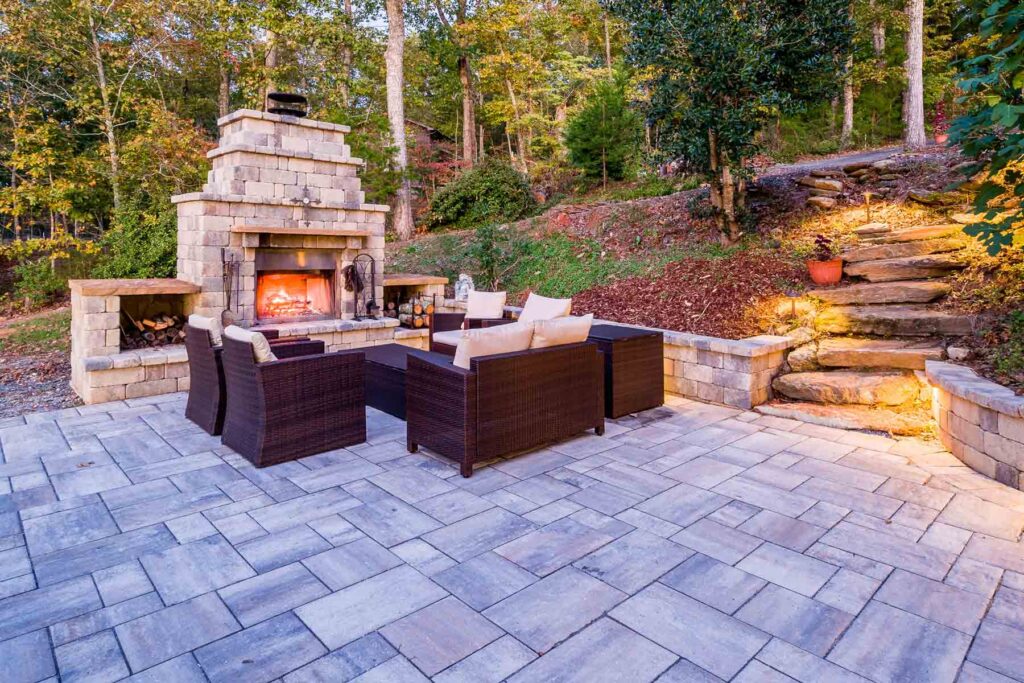
Protecting Your Outdoor Stone Surfaces
Outdoor stone surfaces — patios, pool decks, walkways, steps, and outdoor kitchens — face challenges that indoor stone never encounters. Rain, snow, UV exposure, freeze-thaw cycles, algae growth, and heavy foot traffic all take their toll. With proper care, outdoor stone can look beautiful for decades. Without it, deterioration is rapid and expensive to reverse.
Common Outdoor Stone Types
- Travertine — popular for patios and pool decks due to its natural beauty and cool surface temperature
- Bluestone — a classic choice for walkways, patios, and steps in the Mid-Atlantic region
- Flagstone — irregular natural stone used for rustic patios and garden paths
- Granite — outdoor kitchen countertops, steps, and hardscape features
- Limestone — patios, pool coping, and decorative walls
- Slate — walkways, entryways, and accent areas
Weather Damage and Prevention
Freeze-Thaw Cycles
Water penetrates porous stone, and when temperatures drop below freezing, that water expands. Repeated freeze-thaw cycles cause cracking, spalling (surface flaking), and structural deterioration. This is the single biggest threat to outdoor stone in the DC metro area.
Prevention: Apply a penetrating sealer annually before winter. The sealer reduces water absorption without changing the stone’s appearance.
UV Damage
Prolonged sun exposure can fade some stone colors and degrade surface sealers. Reapply sealer every 1–2 years on sun-exposed surfaces.
Salt Damage
De-icing salts are devastating to natural stone. They accelerate freeze-thaw damage, cause efflorescence (white salt deposits), and can permanently discolor stone surfaces. Use sand or calcium magnesium acetate (CMA) instead of salt on stone surfaces.
Cleaning Outdoor Stone
Algae and Moss
Shaded, damp outdoor stone surfaces develop algae and moss growth that is both unsightly and dangerously slippery. Professional cleaning with appropriate biocide treatments removes growth and inhibits regrowth.
Pressure Washing Caution
Pressure washing is commonly used on outdoor stone, but improper technique causes serious damage. High pressure can erode soft stone, widen grout joints, and create an uneven surface. Always use the lowest effective pressure and a wide fan tip. Better yet, hire a professional who understands stone-safe pressure washing techniques.
Stain Removal
Outdoor stone stains include rust (from metal furniture), oil and grease (from grills and vehicles), organic stains (from leaves and berries), and efflorescence. Each type requires a specific treatment approach — there is no single product that addresses all outdoor stone stains.
Sealing Outdoor Stone
Sealing is the most important maintenance step for outdoor stone:
- Use a penetrating (impregnating) sealer — not a topical coating that becomes slippery when wet
- Apply to clean, dry stone — sealing over dirt traps contamination
- Reapply annually for horizontal surfaces (patios, walkways) and every 2–3 years for vertical surfaces
- Seal before winter to protect against freeze-thaw damage
Professional Outdoor Stone Restoration
When outdoor stone has deteriorated beyond what cleaning and sealing can address, professional restoration includes grinding and honing damaged surfaces, repointing mortar joints, replacing severely damaged stones, leveling settled pavers, and applying protective sealers.
Protect Your Outdoor Living Space
Your patio, pool deck, and walkways are an extension of your home. Rose Restoration provides outdoor stone care throughout Virginia, Maryland, and Washington DC. Contact us at 571-258-7504 or visit roserestoration.com to schedule a consultation.