Slate, flagstone, and bluestone are some of the most beautiful and durable natural stones used in homes, patios, walkways, pool decks, mudrooms, and interior floors. Their rustic texture, organic color variation, and natural slip-resistance make them a favorite choice for both residential and commercial properties.
However, these stones require a very different restoration process than marble, terrazzo, or concrete. They cannot be honed or polished the way calcium-based stones can, and their layered composition requires specialized care to avoid damage.
At Rose Restoration, slate, flagstone, and bluestone restoration is one of the most misunderstood services we offer. Many clients are told their floors can be polished or treated like marble—when the opposite is true. This guide explains how these surfaces are properly restored, why the correct process matters, and what results you can expect.
Why Slate, Flagstone, and Bluestone Require a Unique Approach
Unlike marble or granite, these stones have a clefted texture. They are layered, uneven, and naturally rigid. That means:
You cannot hone slate or bluestone. The high points would tear off under diamond abrasives.
You cannot polish them to achieve shine. They are not designed for a reflective finish.
Color enhancement, not polishing, creates a richer, deeper appearance.
Because of this, the restoration process focuses on stripping, deep cleaning, color enhancing, and sealing—not grinding or diamond polishing.
Step 1: Stripping — Removing Old Sealers, Yellowing, Dirt Buildup, and Coatings
Stripping is the foundation of slate, bluestone, and flagstone restoration. Over time, old sealers become uneven, cloudy, yellowed, or sticky. Dirt becomes embedded in textured surfaces, darkening large areas.
Stripping removes all of this unwanted buildup and exposes the raw stone.
How stripping works:
We apply a professional stripping solution, diluted to the correct strength for the condition of the stone.
Our technicians use floor machines or hand machines with specialized bristle brushes—never diamonds.
In many cases, heavy buildup requires two full stripping passes.
This process is closer in time and effort to honing marble than to simple tile cleaning. In fact, stripping often takes twice as long as a standard clean-and-seal.
This step is essential because it resets the floor to its natural state and prepares it for proper cleaning and color enhancement.
Step 2: Deep Cleaning — Restoring the Stone and Its Grout or Mortar Joints
After stripping, the stone still needs thorough cleaning. This removes residue, stains, minerals, and any remaining left-behind sealer.
What makes this step effective:
Neutral stone-safe cleaners for indoor slate
More aggressive cleaners for outdoor surfaces with mineral buildup
Mechanical scrubbing using Malish brushes
Full extraction of dirty water for a residue-free finish
Grout or mortar joints are also cleaned during this stage. Many homeowners don’t realize that outdoor stone typically uses mortar, not grout, which behaves differently and absorbs staining differently.
Our deep-cleaning process distinguishes us from many maintenance companies who only mop the stone surface without actually cleaning the joints.
Step 3: Efflorescence Removal — Solving the White, Powdery Problem
Efflorescence is one of the most common—and most frustrating—issues with slate, bluestone, and flagstone. It appears as white, chalky residue that seems to reappear even after cleaning.
Efflorescence happens when water travels through stone or mortar, dissolves minerals, and deposits them on the surface as it evaporates. It is especially common on outdoor patios, walkways, pool decks, and retaining walls.
Key facts homeowners should know:
It cannot be removed with normal cleaning or pressure washing.
DIY scrubbing may worsen the problem.
You need a specialty efflorescence cleaner to dissolve mineral deposits safely.
As your transcript states, even brand-new pool decks can develop efflorescence. This is why annual cleaning and sealing are so valuable for outdoor stone.
Our technicians apply professional-grade efflorescence removers and lift deposits without damaging the stone or mortar.
sunny_spa_sales_meeting_2025_12…
Step 4: Color Enhancement — The Only Way to Achieve a Rich, Deep Finish
Since slate and bluestone cannot be polished, color enhancers are the correct way to bring out their natural beauty.
A color enhancer:
Darkens and enriches the natural pigments
Creates a subtle, satin-like sheen
Makes colors more vibrant
Improves stain resistance
Provides a wet-look appearance without a reflective polish
Skipping the color enhancer often results in an underwhelming finish. Many clients who “don’t want shine” simply misunderstand the difference between polishing and color enhancement. Enhancers highlight the organic colors without creating a gloss.
Color enhancer must be applied by hand on uneven surfaces to avoid streaking or missed areas. Many of your competitors fail here, leaving white spots or uneven tone—one of the reasons homeowners reach out to you after a bad experience.
Step 5: Sealing — Protecting Slate, Flagstone, and Bluestone from Future Damage
Once the stone is clean and color-enhanced, it must be sealed properly. Sealing protects against:
Moisture
Dirt and mud
Pool chemicals
Stains and oils
Outdoor weather exposure
Sealing is always the final step. It is applied using microfiber pads or applicators—never machines. The floor must be fully dry before sealing to avoid trapping moisture under the surface.
For outdoor stone, sealing is especially important because efflorescence, staining, and weather damage develop faster in exterior settings.
Interior vs. Exterior Slate, Bluestone, and Flagstone
Indoor stone tends to need:
Stripping
Deep cleaning
Color enhancement
Penetrating sealers
Outdoor stone often needs:
Efflorescence removal
Stripping of thick topical coatings
Heavier-duty cleaners
Mortar repair
Anti-slip treatments for pool decks
Both require specialized care, but exterior stone frequently needs more aggressive cleaning and more durable sealants.
Why Homeowners Should Not Replace Slate Floors
Your transcript mentions an important point: slate is extremely difficult to demo. Removing slate or bluestone floors is labor-intensive, expensive, and often unnecessary.
Restoration is almost always the smarter choice because:
Slate can last decades with proper care
Color enhancing can dramatically improve appearance
Professional stripping removes old coatings and buildup
Repairs are more affordable than replacement
If your slate looks dull, uneven, or dirty, restoration—not replacement—is the solution.
Grout vs. Mortar: What Homeowners Should Know
Indoor slate floors use grout.
Outdoor patios and walkways use mortar.
Both can be cleaned during the restoration process, but each absorbs stains differently.
Cement-based grout and mortar are porous, meaning:
Not all staining will come out completely
Color enhancers can help disguise discoloration
Some joints may require partial replacement
Epoxy grout is rarely used outdoors and is not recommended for slate joints.
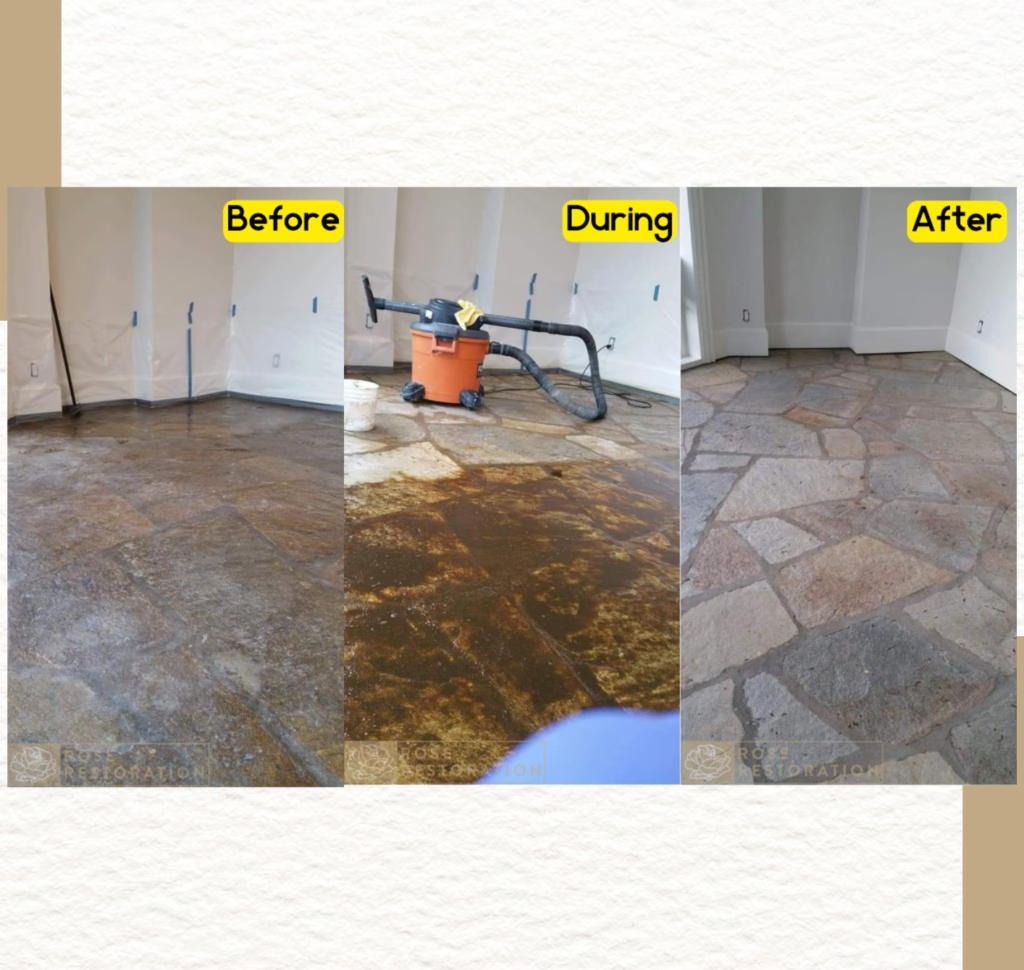
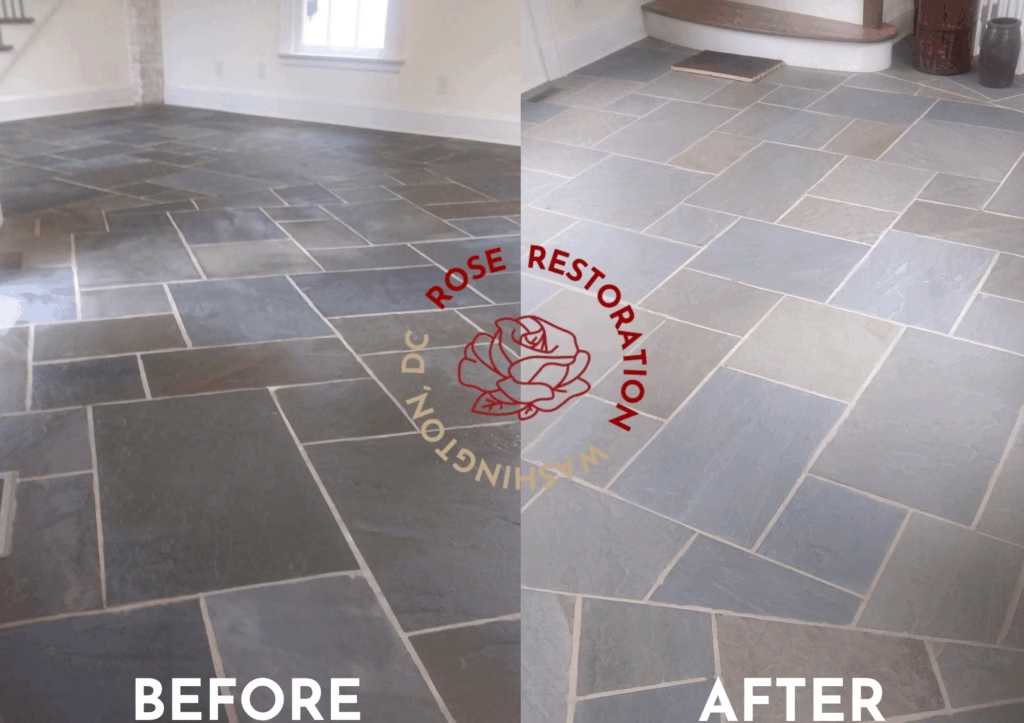
Real Project Example
A homeowner had dark slate throughout the first floor and wanted it to look “shiny and new.” A competing company applied color enhancer incorrectly, leaving blotches and white areas.
Our team stripped the entire floor, deep-cleaned the stone and grout, hand-applied the correct color enhancer, and sealed the surface evenly.
The result was a uniform satin finish that highlighted the stone’s natural colors—exactly what the client had envisioned.
Final Thoughts
Slate, bluestone, and flagstone restoration is both an art and a science. These stones require the right chemistry, tools, and techniques to achieve long-lasting results. With structured stripping, deep cleaning, efflorescence removal, precise color enhancement, and proper sealing, Rose Restoration revitalizes natural stone surfaces without damaging their unique texture or character.
Whether you have an outdoor bluestone patio, an indoor slate hallway, a flagstone mudroom, or a weathered pool deck, our team can restore your stone to its full natural beauty.
Frequently Asked Questions About Slate, Flagstone, and Bluestone Restoration
Can slate or bluestone floors be polished like marble?
No. Slate, bluestone, and flagstone have a naturally clefted, layered texture that cannot be honed or polished with diamond abrasives the way marble or granite can. Instead, these stones are restored through stripping, deep cleaning, color enhancement, and sealing — a process that brings out their natural beauty without creating a reflective polish.
What is efflorescence and how do you remove it from stone?
Efflorescence is a white, chalky mineral deposit that appears on stone surfaces when water moves through the stone or mortar and deposits dissolved minerals on the surface as it evaporates. It cannot be removed with normal cleaning or pressure washing. Rose Restoration uses professional-grade efflorescence removers that dissolve the mineral deposits safely without damaging the stone.
How much does slate floor restoration cost?
Costs vary depending on the size of the area, the condition of the stone, whether efflorescence removal is needed, and whether the project is indoor or outdoor. Slate restoration is almost always significantly less expensive than replacement — especially since slate is extremely difficult and costly to demolish. Contact Rose Restoration for a free on-site assessment and estimate.
How long does slate or flagstone restoration take?
Most residential slate or flagstone restoration projects take one to three days depending on square footage and the level of stripping and cleaning required. Outdoor projects with heavy efflorescence or thick old sealer buildup may take longer due to the need for multiple stripping passes.
What is a color enhancer and why is it used on slate?
A color enhancer is a specialized product that darkens and enriches the natural pigments in the stone, creating a subtle satin-like sheen and making colors more vibrant. Since slate and bluestone cannot be polished, color enhancement is the correct method for achieving a rich, attractive finish. It also provides additional stain resistance.
Should I replace or restore my slate floors?
In almost all cases, restoration is the better choice. Slate is extremely durable and can last decades with proper care. Professional stripping, cleaning, color enhancement, and sealing can dramatically improve the appearance of worn slate. Replacement is labor-intensive, expensive, and usually unnecessary when professional restoration is available.