
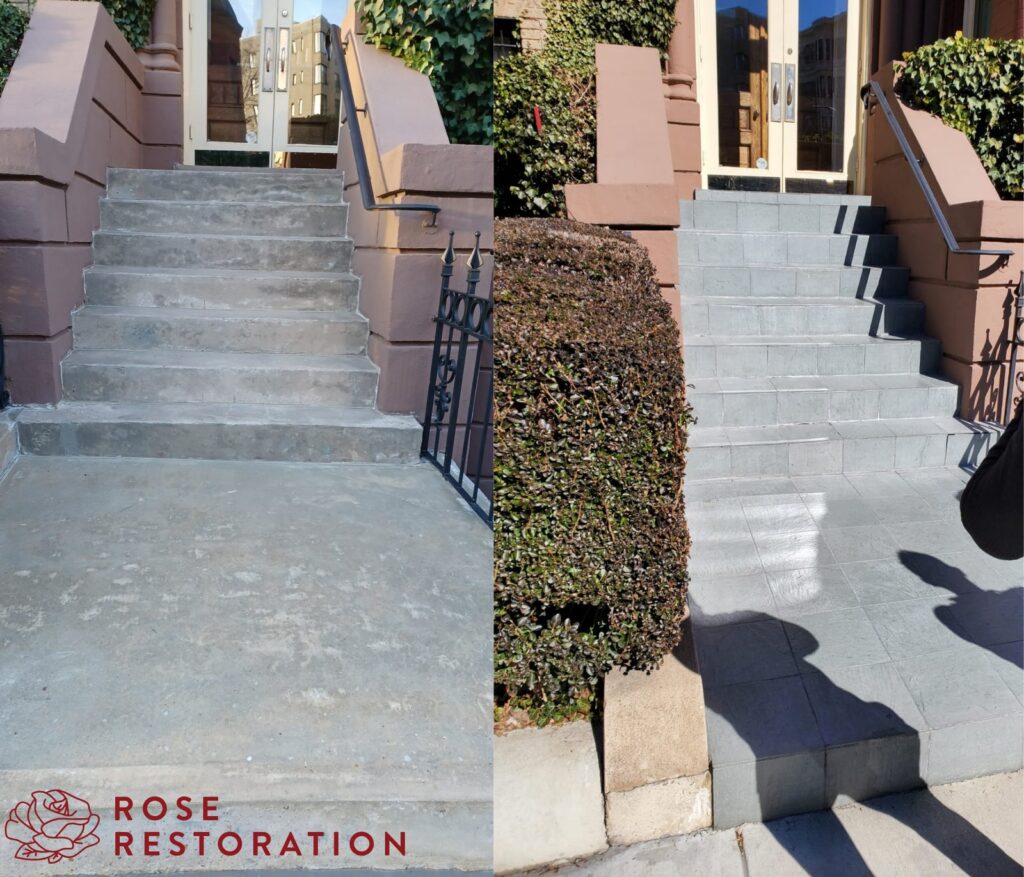
Rose Restoration — a Washington DC masonry and brick repointing contractor — explains brick repointing for stairs, chimneys, facades, and exterior masonry across DC, Maryland, and Virginia homes and commercial buildings.
 By Tom Kuhn, CEO, Rose Restoration
Rose Restoration has restored marble, terrazzo, concrete, and natural stone across DC, MD, and VA since 1978.
Brick and stone structures can last for generations, but the mortar holding them together doesn’t. Over time, weather, moisture, and natural settling begin to break down mortar joints, leading to loose bricks, stair erosion, crumbling chimneys, and water intrusion. These issues don’t just affect curb appeal—they impact structural safety and long-term durability.
At Rose Restoration, we handle repointing and masonry repairs for residential and light commercial properties across the region. Whether it’s brick stairs, retaining walls, patios, or historic chimneys, our team restores structural integrity while preserving original aesthetics.
This guide explains what repointing is, how we determine the correct repair method, and why proper mortar selection matters more than most people realize.
What Repointing Actually Is
Repointing (commonly called tuckpointing) is the process of removing deteriorated mortar and replacing it with new, properly matched mortar. Deterioration can appear as crumbling joints, gaps between bricks, loose steps, cracking around stair edges, or moisture staining on chimneys.
Our technicians follow a detailed process:
• Rake out failed mortar using grinders or chisels
• Set the correct mortar joint depth for long-term bond strength
• Mix new mortar matched to the original color and sand profile
• Fill and tool joints for proper compaction and finish
• Clean surrounding brick or stone without damaging the surface
During the meeting, your team emphasized that raking is performed at the beginning because grinding tools can lightly scratch adjacent stone. After the mortar work is complete, we hone and polish any scratched stone to restore a seamless appearance. This ensures both the joints and the surrounding surfaces look uniform.
When Repointing Is Necessary
Not all mortar deterioration is obvious. Our inspections often reveal hidden issues such as:
• Mortar that turns to powder when scraped
• Gaps allowing water to penetrate the structure
• Steps that shift under weight
• Chimney mortar cracking behind the flue area
• Brick edges spalling from repeated freeze-thaw cycles
If you notice loose bricks, crumbling stair edges, or white staining from moisture migration, it is time to schedule an evaluation.
Why Mortar Matching Matters
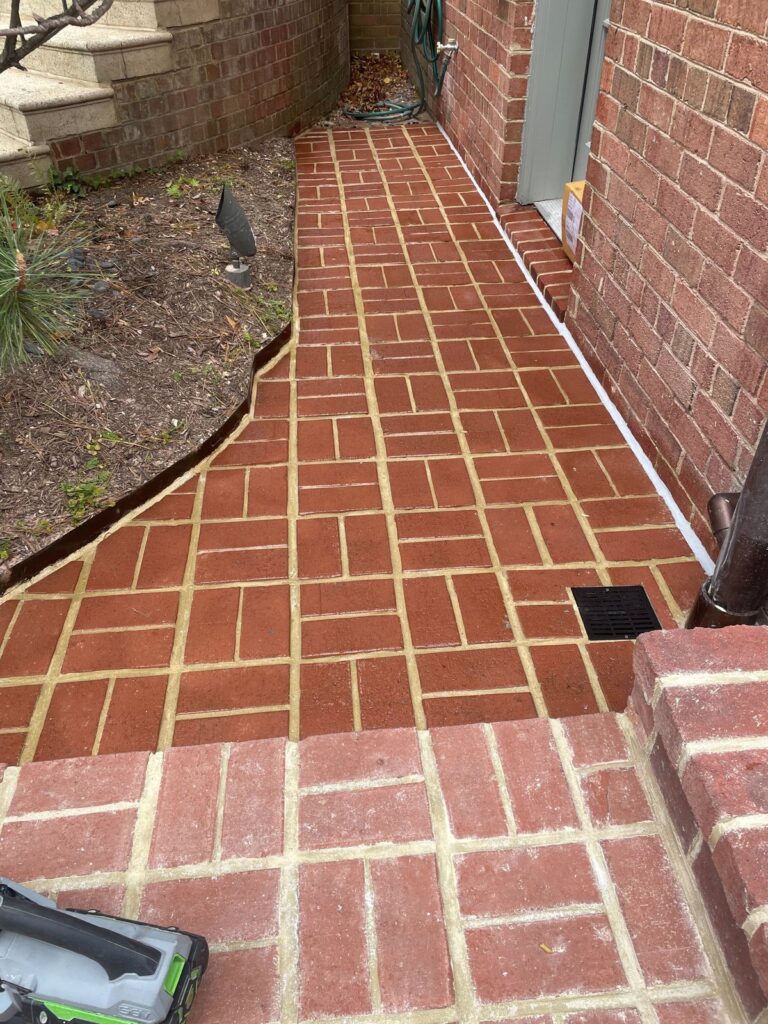
One detail homeowners rarely consider is how critical mortar color and sand selection are. Using big-box-store sand or standard mortar mixes can make repairs stand out sharply against original materials.
Our process includes:
• Sourcing sand locally, since sand color varies by region
• Matching historic mortar blends for older homes
• Selecting the correct mortar type (Type S, N, or specialty blends) depending on brick hardness and environmental exposure
• Ensuring that mortar breathability aligns with the existing structure
Incorrect mortar can cause new cracking, brick damage, or premature deterioration.
Chimney Repointing and Masonry Repair
Chimneys experience more water exposure and temperature change than any other part of a home. Mortar failure at the chimney crown, flue edges, and vertical joints is extremely common.
Our chimney repair process may include:
• Grinding and raking out loose joints
• Rebuilding damaged crown sections
• Repointing vertical and horizontal joints
• Waterproofing the chimney exterior with breathable coatings
• Repairing or replacing loose or spalled bricks
We ensure chimney repairs blend aesthetically with the original construction while improving weather resistance.
Brick Stair and Step Restoration
Stairs take direct foot traffic and absorb significant moisture. When mortar joints weaken or bricks shift, stairs can become unsafe.
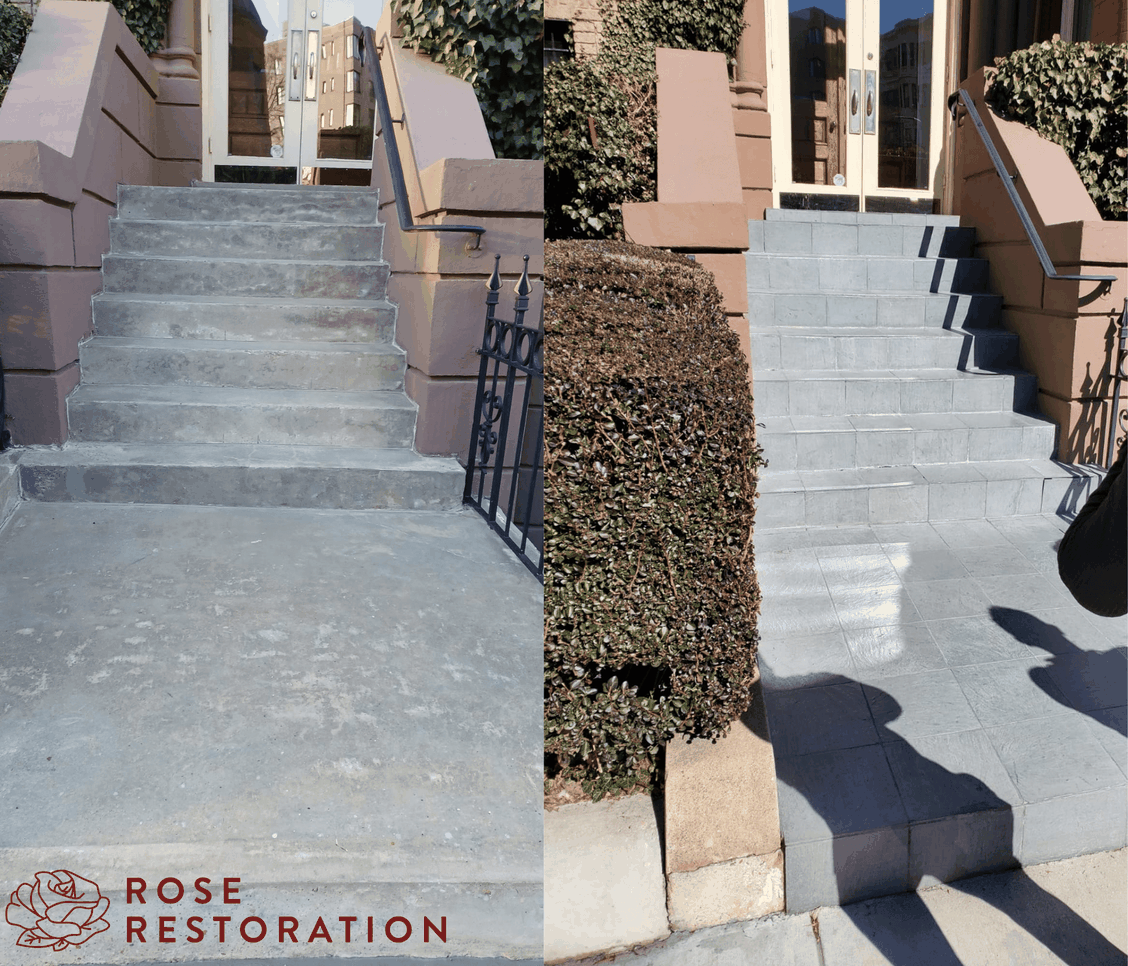
We repair brick stairs by:
• Removing loose tread bricks
• Resetting them with fresh mortar
• Repointing risers and edges
• Rebuilding failing stair noses
• Matching joint width and pattern to the existing design
Safety and structural stability are the top priorities, but maintaining visual consistency is equally important.
Caulking and Joint Sealing
In many exterior masonry projects, caulk is used strategically to prevent water from entering transition points:
• Between masonry and siding
• Around stair bases
• At chimney flashing joints
• Where patios meet home foundations
During the meeting, the team noted that caulk is applied at the end of repointing projects, after all mortar is set. This ensures clean adhesion and proper joint stability.
Why Grinding Depth Matters
Proper joint depth is essential for long-lasting mortar adhesion. Too shallow, and the mortar flakes out. Too deep, and brick edges can crack.
We set joints to the correct depth, typically ½ to ⅝ inch, unless structural conditions require deeper excavation.
Your transcript also mentioned using backer rods or filler material when joints are unusually wide or deep—another key factor in ensuring stable mortar placement.
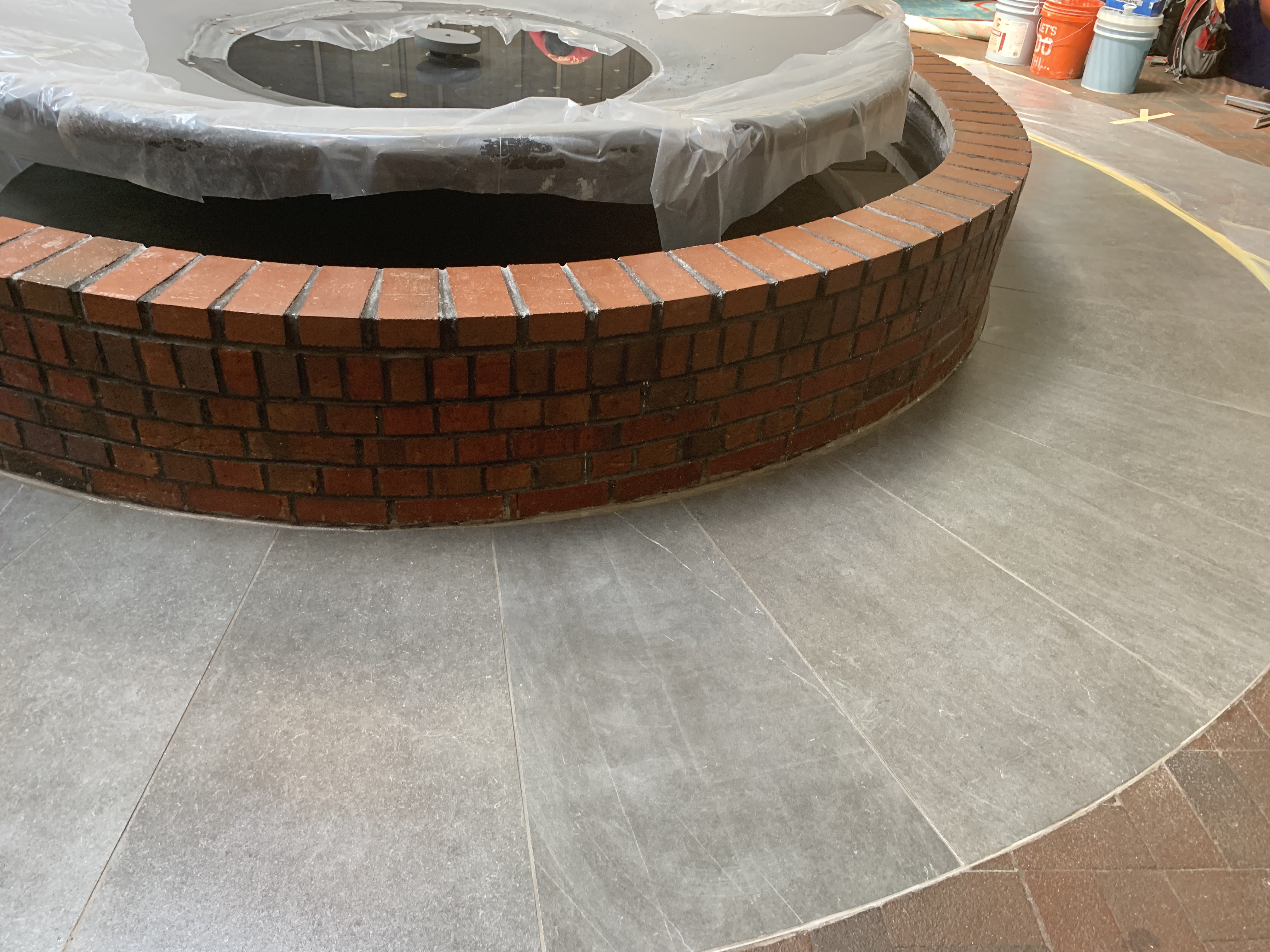
Waterproofing Masonry After Repointing
Once repairs are complete, we generally apply:
• Breathable masonry sealers
• Water-repellent treatments
• Protective coatings for chimneys, brick stairs, and retaining walls
These prevent moisture penetration while allowing vapor to escape—a crucial distinction, since non-breathable coatings can trap water and damage masonry.
What Homeowners Can Expect After a Repointing Project
• Strong, long-lasting mortar joints
• Improved structural stability for stairs, chimneys, or walls
• Enhanced curb appeal with uniform joint color
• Reduced water intrusion and freeze-thaw damage
• Safer walking surfaces on steps and patio transitions
Repointing is both a cosmetic and structural investment that protects your home for years to come.
Final Thoughts
Brick, stone, and mortar systems may appear simple, but proper restoration requires precision, material expertise, and a deep understanding of masonry behavior. Whether it’s repairing a chimney, restoring brick stairs, or addressing failing mortar joints around your home, Rose Restoration provides detailed, professional masonry care designed to last.
Looking for something else?
Brick Repointing Across DC, Virginia, and Maryland
The DC metro area has some of the most extensive brick masonry in the country — from the Federal-era rowhouses of Capitol Hill and Georgetown to the Victorian homes of Alexandria, the Colonial brick of Arlington, and the mid-century apartment buildings of Silver Spring and Bethesda. Our masonry team provides brick repointing and mortar matching for buildings of every era across the DMV. DC masonry services →
Get a Free Assessment from Rose Restoration
Tell us about your marble, stone, terrazzo, or concrete and our senior technicians will recommend the right restoration approach. Family-run and trusted across Washington DC, Maryland, and Virginia since 1978.
Call (703) 327-7676 · Email info@roserestoration.com · schedule a time · or send us photos.
Restore. Don't replace.
48 years of polishing marble, terrazzo, concrete, and tile across Washington DC, Northern Virginia, and Maryland. IMF, Four Seasons, Smithsonian, and the Virginia State Capitol trust us — you can too.